Table of Contents
Start by checking whether weak water flow affects one fixture, only hot water, or the whole home. A clogged aerator needs a different fix from a supply outage or faulty pressure regulator. Do not increase pressure blindly: it can damage plumbing and may not solve a flow restriction.
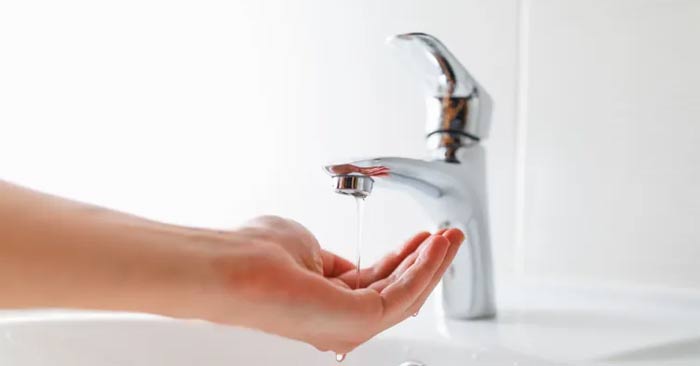
Identify where the problem occurs
- One faucet or shower: inspect its aerator, showerhead, and accessible supply valve.
- Hot water only: the problem may involve the hot-water system; consult its service instructions or a plumber.
- All fixtures: check for supply notices, a partly closed main valve, leaks, or shared-building issues.
- Only when several fixtures run: note which combinations cause the drop. Supply capacity or pipe restrictions may be involved.
Ask a nearby neighbour whether they have the same problem and check your water supplier's outage information. In an apartment, contact building management before adjusting shared equipment.
Measure flow and pressure separately
Flow is the volume delivered per unit of time. To measure it, turn off other water-using fixtures and use a sound, watertight container of known volume—not a cardboard box. Time how long the tap takes to fill it without overflowing.
Calculate litres per minute as litres collected × 60 ÷ seconds. For example, 2 litres collected in 15 seconds is 8 L/min. Keep the units consistent; litres per minute and gallons per minute are different measurements.
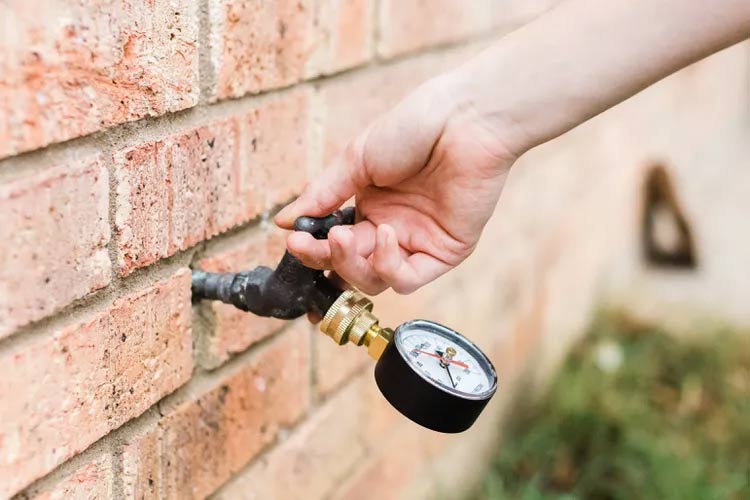
Pressure requires a compatible pressure gauge at an appropriate connection. Follow the gauge instructions and distinguish a static reading with fixtures closed from a reading during use. Record the result for your supplier or plumber. Acceptable pressure depends on the supply system, local requirements, and equipment ratings; one universal cutoff cannot diagnose every home.
Check accessible valves gently
A valve left partly closed after maintenance can restrict flow. Check only valves you are authorized to operate and understand. Do not force a stiff or corroded valve, tamper with a utility street valve, or alter shared-building controls. Contact the owner, supplier, or plumber if you are unsure.
Clean a restricted aerator or showerhead
If only one outlet is weak, follow its manufacturer's instructions to remove and clean the aerator or showerhead. Keep track of washers and small parts, use cleaning products suitable for its finish, and reinstall without overtightening. Compare flow before and after cleaning. Appliance inlet filters should be serviced only as directed in the appliance manual.
Look for visible leaks
Check accessible pipes and fittings for dripping, damp patches, or unexpected running water. Record when the pressure changed and whether recent work preceded it. Pipe age alone does not rule a blockage in or out. A sudden whole-home drop or an active leak warrants prompt help.
Leave regulator and booster work to a qualified installer
A pressure-reducing valve limits incoming pressure; it is not simply an on/off valve. Do not turn its adjustment screw without confirming the model, measured pressures, permitted range, and equipment limits. A faulty regulator may need servicing rather than a higher setting.
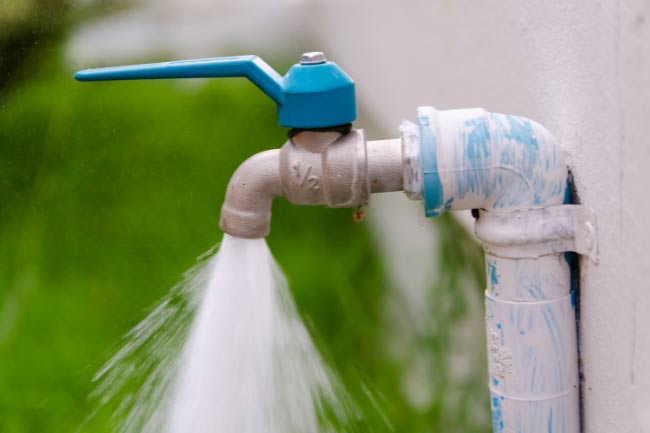
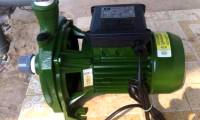
A booster pump is a possible solution only after the cause is established. Sizing, backflow protection, water availability, and local supplier rules matter. Ask a qualified plumber or your water supplier before installing one or changing a shared supply.
Related Articles
 How to use a professional car washer
 What is a booster pump used for? Classification of booster water pumps
 Instructions on how to measure blood pressure at home
 The simple way to boost mobile phone signal strength in your home
 Is the area with a weak water source able to use a water heater?
 Top best push water pumps for families
Reader Comments 0
Sign in with email or Google to join the discussion.