Table of Contents
For a dinner that supports fat loss while helping you maintain muscle, combine a substantial protein source with vegetables and a portion of carbohydrate that fits your appetite and activity. Salmon, chicken, lentils, quinoa and sweet potatoes can all fit. The result depends on your overall eating pattern and training, rather than one food or meal time.
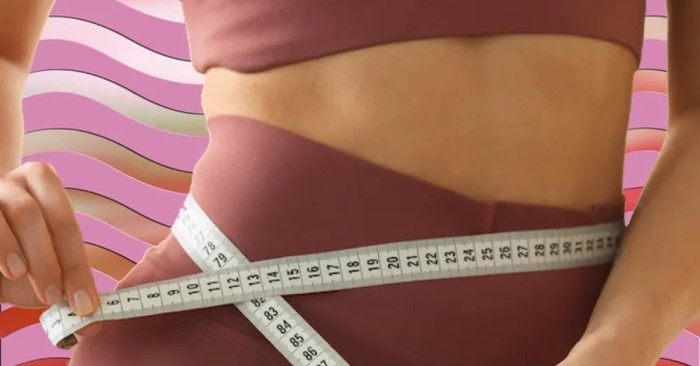
Build a meal you can repeat
A useful starting point is to give vegetables a generous share of the plate, add a clear protein source, and include a moderate portion of grains, potatoes or other starchy foods. Adjust portions to your needs; this is a planning aid, not a prescribed calorie allowance.
Fat loss generally requires consuming less energy than you use over time. NIDDK guidance emphasizes an eating pattern you can maintain alongside physical activity. Aggressive restriction can make it harder to fuel training and meet nutritional needs.
Choose a protein source
Salmon
Salmon supplies protein and omega-3 fats. Pair it with roasted vegetables and a grain or potato side. Bake, grill or air-fry it with a modest amount of added oil instead of relying on a heavy coating or creamy sauce.
Skinless chicken
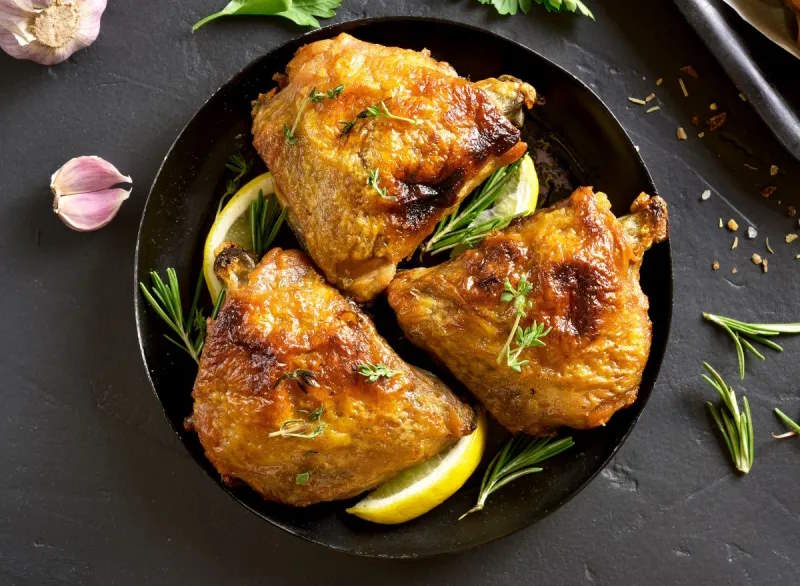
Chicken breast is a lean option; skinless thigh can also fit, although its fat content differs. Combine either with vegetables and rice, quinoa or sweet potato. Check safe internal temperature rather than assuming a cooking time guarantees doneness.
Lentils
Lentils provide plant protein, fiber and carbohydrate. Use them in soup, a stew or a warm bowl. Depending on the portion and your overall protein needs, add tofu, eggs, yogurt or another protein food rather than assuming a small lentil garnish is enough.
Canned lentils and beans can simplify a busy evening. Compare labels for sodium and serving size; see the guide to choosing canned foods.
Add vegetables and an appropriate carbohydrate portion
Broccoli, Brussels sprouts and zucchini add variety, fiber and volume. Steaming or roasting them with a light coating of oil keeps the preparation simple. Vegetables help build a satisfying plate, but do not automatically reduce total calories if generous oil, cheese or sauces are added.
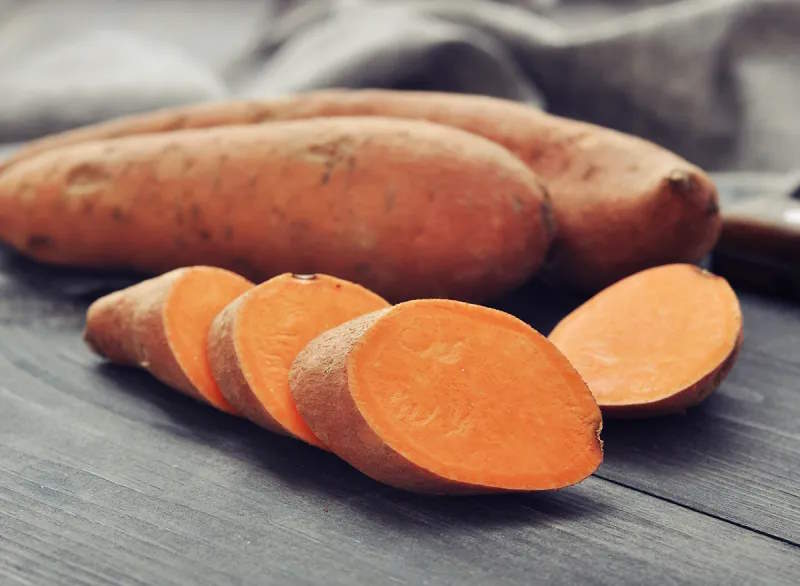
Quinoa is a useful grain-like side containing some protein; it is not the same food as amaranth. Sweet potatoes provide carbohydrate and can be baked, roasted or mashed. Neither burns fat, and you do not need to eliminate carbohydrate to lose weight.
Four practical dinner combinations
| Protein | Vegetables | Carbohydrate or bowl base |
|---|---|---|
| Baked salmon | Broccoli or asparagus | Quinoa |
| Skinless chicken | Zucchini and peppers | Roasted sweet potato |
| Lentils with tofu | Spinach and tomatoes | Lentil stew, with a small grain side if wanted |
| Chicken or tofu | Brussels sprouts and carrots | Brown rice |
Connect dinner with the rest of your routine
NIH guidance on exercise nutrition explains that protein supports muscle repair and the response to training. Include protein across the day, rather than trying to fit all of it into dinner.
Resistance training provides the stimulus for muscle growth. The fitness-app guide may help you organize a routine, but progress still depends on consistent, suitable training and recovery. Gaining muscle while losing fat is possible for some people, but no dinner menu guarantees both.
Related Articles
 Exercising but Not Losing Weight? Common Reasons and What to Do
 Ways to lose weight without exercise
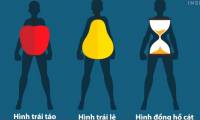 What does the body shape say about your health?
 How to drink Japanese algae to gain weight
 New research shows that vegetarian diet is twice as effective when losing weight
 How to drink spirulina to lose weight
Reader Comments 0
Sign in with email or Google to join the discussion.