Table of Contents
Rotavirus vaccines have been shown to be a cost-effective intervention that not only saves lives but also reduces the burden on families and the health system.
Rotavirus vaccines Have been shown to be a cost-effective intervention that not only saves lives but also reduces the burden on families and health systems. Here's What You should know about the Rotavirus vaccine .
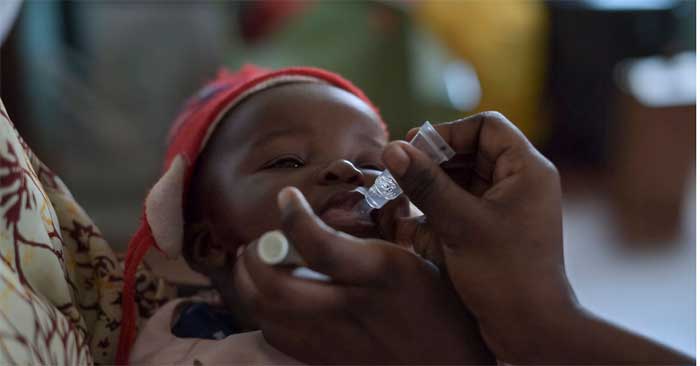
What does the rotavirus vaccine do?
Rotavirus is an infection that causes diarrhea and vomiting. It is very common, especially in infants and young children.
Most children with rotavirus get better within a few days, but some can become severely dehydrated and need hospital treatment. Very rarely, rotavirus can be life-threatening.
Rotavirus spreads very easily. Vaccination is recommended for infants to help prevent infection.
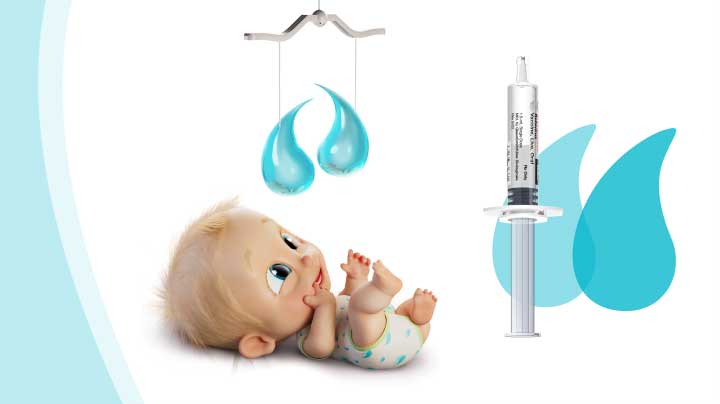
When should children get the rotavirus vaccine?
Newborns are given two doses of rotavirus vaccine according to the national expanded immunization schedule. Children are vaccinated when:
- 8 weeks old
- 12 weeks old
If your child misses the first dose, he or she can get this vaccine up to 15 weeks of age. If your child misses the second dose, he or she can get this vaccine up to 24 weeks of age.
Your child should not be vaccinated if:
- Your child has had a severe allergic reaction (anaphylaxis) to a previous dose of vaccine or to a component of the vaccine
- The baby has a rare condition that affects the immune system called severe combined immunodeficiency (SCID)
- Your baby has had a bowel blockage (called intussusception) or a bowel problem that puts him or her at higher risk of intussusception
- Babies with rare conditions called fructose intolerance, glucose-galactose malabsorption or sucrase-isomaltase deficiency
- The baby's mother took medicines called biologics (which weaken the immune system) while pregnant or breastfeeding
- Talk to your doctor if you are not sure whether your child can get the rotavirus vaccine.
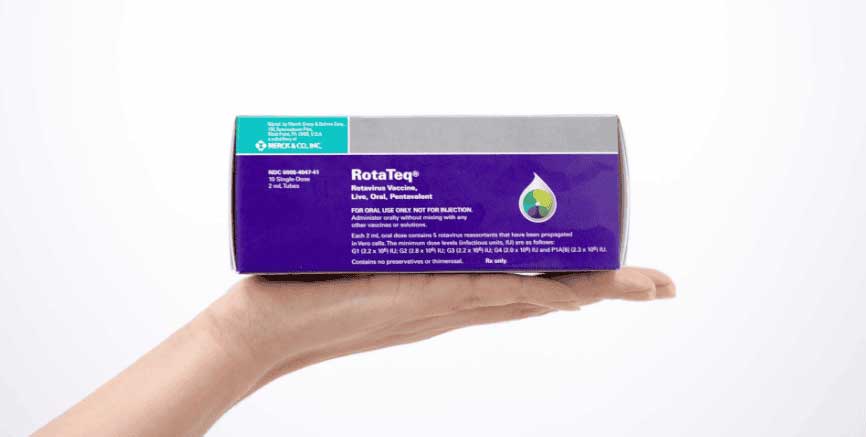
After vaccination
Your baby can breastfeed and resume normal activities (including swimming) after vaccination.
For several weeks after vaccination, your baby's stool may contain a weaker version of the rotavirus.
Although the risk of getting sick from this virus is very low, you should wash your hands frequently, especially after changing your baby's diaper.
FAQ
What Is Rota Vaccine? Things to Know About Rota Vaccine: Complete Guide?
In practical terms, rotavirus vaccines have been shown to be a cost-effective intervention that not only saves lives but also reduces the burden on families and the health system.
Why does what is rota vaccine matter?
The article highlights that when should children get the rotavirus vaccine.
What is the main takeaway?
The main takeaway is that newborns are given two doses of rotavirus vaccine according to the national expanded immunization schedule.
Related Articles
 HPV Vaccine 2026: Complete Guide5 minutes read
 The 'Gamvid-19 Vaccine Gamble' and the Memory of Vietnam's26 minutes read
 Russia's Cancer Vaccine Explained: What Makes It Different6 minutes read
 What If the World Had Not Yet Found the Covid-19 Vaccine?8 minutes read
 US: Breakthrough Kidney Cancer Vaccine Development3 minutes read
 Canada Tests New Vaccine Against Sars-cov-2 Virus2 minutes read
Reader Comments 0
Sign in with email or Google to join the discussion.