Table of Contents
What Happens to an Astronaut's Body After 9 Months in Space is easier to approach with a clear overview and reliable steps. This guide organizes the essential information, highlights practical details, and explains what to check along the way.
Key Takeaways
- Review changes in the immune system.
- Explore uneven liquid distribution.
- Understand increase height.
Changes in the Immune System
Spending long periods in space weakens the immune system, making astronauts more susceptible to infections. Changes in immune cell function and reactivation of latent viruses are common, making it important to monitor astronaut health and develop treatments.
Uneven Liquid Distribution
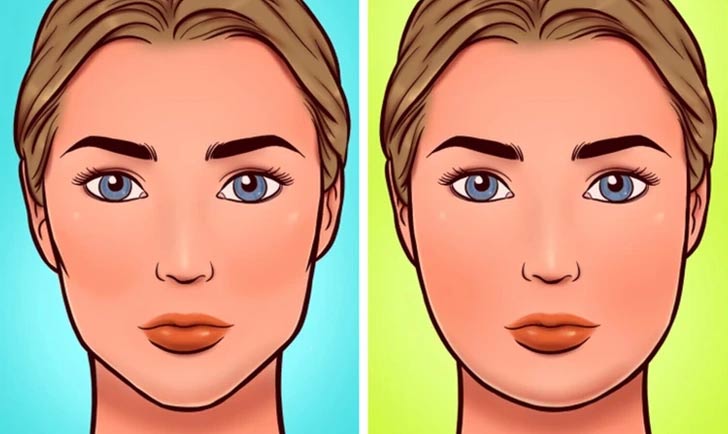
On Earth, gravity pulls fluids downward, but in space, they shift toward the upper body, leading to a puffy face and a feeling similar to having a constant cold. This redistribution of fluids in the body can also increase pressure inside the skull, causing vision problems.
Increase Height
Without gravity compressing the spine, astronauts can grow up to 3% taller in the first few days of weightlessness. The spine elongates as the pressure is reduced, but when they return to Earth, gravity returns them to their normal height within a few days.
Visual Impairment
Astronauts can experience spaceflight-associated optic neuropathy, which causes vision problems during and after long missions. Fluid shifts can increase pressure on the optic nerve, leading to swelling and changes in the shape of the eyeball. There are long-term vision concerns while some effects are temporary.
Changes in the Heart
Without the need to fight gravity, the heart's workload decreases, which can cause a loss of heart muscle mass. This can easily lead to low blood pressure and dizziness when astronauts return to Earth. Fortunately, most astronauts recover with proper rehabilitation over time.
Muscle Atrophy
In microgravity, muscles don't have to fight gravity, which leads to muscle atrophy. Astronauts can lose up to 20% of their muscle mass in just a few days if they don't exercise regularly. They exercise for about two hours a day using specialized equipment, but some muscle loss is inevitable. This helps you combat this. So rehabilitation is a must when they return to Earth.
Increased Radiation Exposure
Astronauts are exposed to higher levels of cosmic radiation when outside Earth's protective atmosphere, which increases the risk of cancer and potential cognitive impairment. Although the ISS provides some shielding, long-term missions still pose significant radiation risks.
Decreased Bone Density
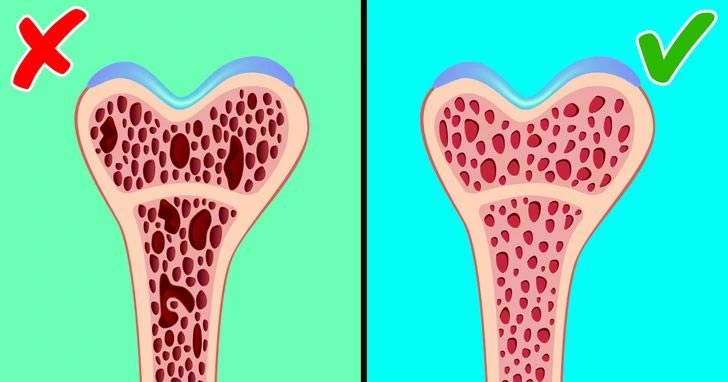
Bones depend on gravity to maintain their strength. Without gravity, astronauts lose significant bone density, especially in their hips and legs. They lose about 1% of their bone mass each month, a much higher rate than older people on Earth. This makes astronauts more susceptible to fractures.
So, space travel is not only about exploring the galaxy but also about learning how the body reacts to extreme conditions.
Final Thoughts
The most reliable way to handle what happens to an astronaut's body after 9 months in space is to follow the process in order, verify each important setting, and test the result before moving on. Use the guidance above as a practical reference, then adjust the details for your device, software version, or specific goal.
FAQ
What should I know first about What Happens to an Astronaut's Body After 9 Months in Space?
Astronauts Butch Wilmore and Suni Williams set off on a brief, 10-day mission to the International Space Station on June 5, 2024.
How do I get the best results with What Happens to an Astronaut's Body After 9 Months in Space?
Use current software or equipment, follow the steps in order, review the recommended settings, and test one change at a time so you can identify what improves the result.
What should I do if What Happens to an Astronaut's Body After 9 Months in Space doesn't work as expected?
Check compatibility, permissions, connectivity, and version-specific settings. Restart the relevant device or app, then repeat the process carefully before trying a more advanced fix.
Related Articles
 What Terrible Thing Will Happen When Not Wearing Protective Gear5 minutes read
 How Astronauts Stay Healthy and Fit in Space4 minutes read
 Half a Year in Space Causes Astronauts to Lose Bone Permanently5 minutes read
 How Do Astronauts Breathe in Space?7 minutes read
 How Do Astronauts Wash Their Hair in Space2 minutes read
 How Astronauts Drink Coffee in Space: Explained4 minutes read
Reader Comments 0
Sign in with email or Google to join the discussion.