Table of Contents
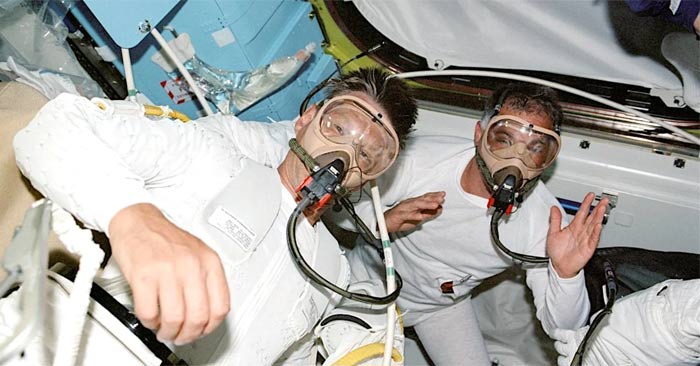
Astronauts breathe inside a pressurized spacecraft or spacesuit. On the International Space Station (ISS), equipment adds oxygen, removes the carbon dioxide the crew exhales and circulates the cabin air. During a spacewalk, the suit’s backpack performs those jobs for one person.
Where the space station gets oxygen
An oxygen generator uses electricity to split water into oxygen and hydrogen. This process is called electrolysis. The oxygen enters the cabin air. The hydrogen can be vented or used in a separate system that reacts it with carbon dioxide to recover water. The process also produces methane, which can be vented. NASA describes how the station’s life support systems work together.
Oxygen generation is only one part of keeping the cabin habitable. Ventilation moves air through the station, carbon dioxide scrubbers remove the gas the crew exhales, and sensors monitor the atmosphere. Stored supplies and backup equipment matter when the main generator is unavailable.
What the Mir fire showed
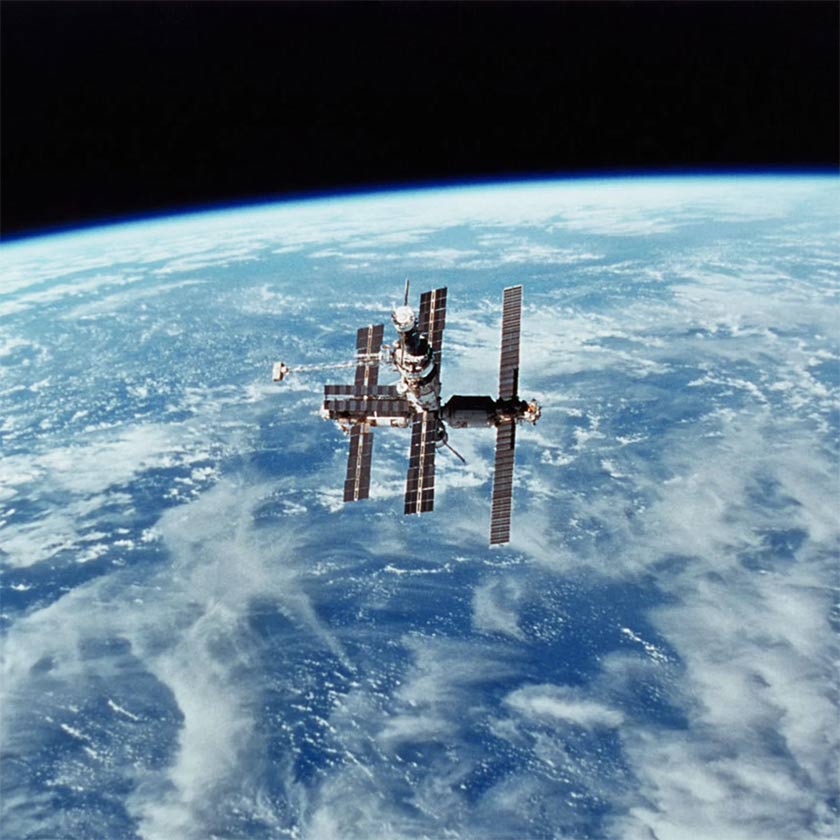
In 1997, an oxygen-generating device caught fire aboard Mir. The device was a chemical oxygen generator. Mir also had a system that made oxygen by electrolysis. The incident showed why a station needs backup sources and equipment to detect and respond to a cabin fire.
How astronauts breathe on a spacewalk
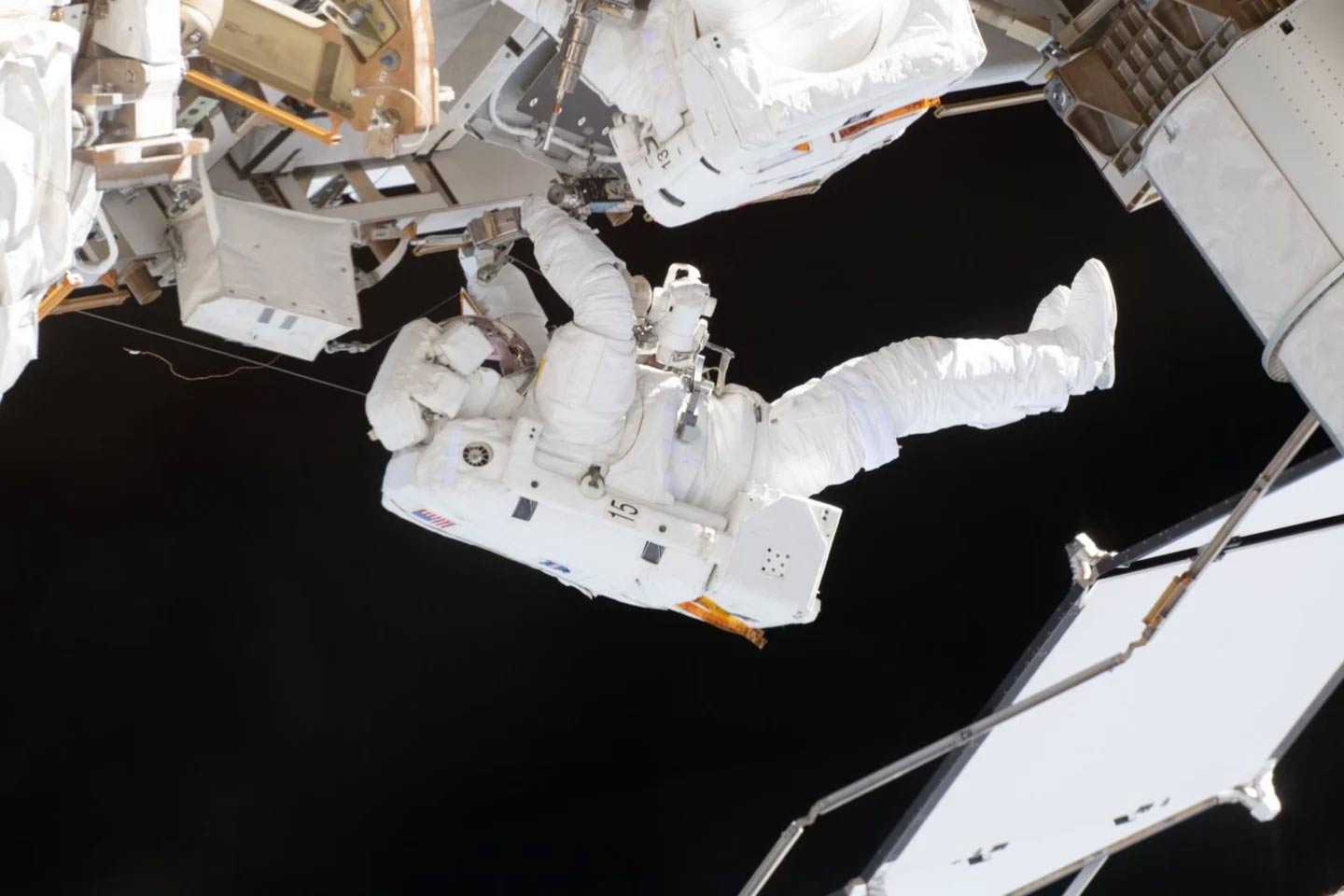
A spacewalking suit holds pressure around the astronaut. Its portable life support system supplies oxygen, circulates breathing gas and removes carbon dioxide. The suit also helps control body temperature.
Before going outside, astronauts follow a procedure that includes breathing pure oxygen. This reduces the amount of nitrogen in their bodies before they move to the lower pressure inside the suit, helping reduce the risk of decompression sickness.
Related Articles
 Half a year in space causes astronauts to lose bone permanently, equivalent to 10 years on Earth
 What terrible thing will happen when not wearing protective gear in space?
 How do astronauts wash their hair in space?
 How do astronauts drink coffee in space?
 NASA has to postpone the historic flight into space because of bad weather
 Experiment put people into hibernation to take long-term space travel
Reader Comments 0
Sign in with email or Google to join the discussion.