Table of Contents
This updated guide explores the meaning of life changes at different stages of life with practical details, clear explanations, and useful takeaways. Think of the meaning of life as a chameleon. It changes color depending on the light, the surroundings and even your mood. One minute you are chasing fame, the next you are yearning for quiet evenings with a good book.
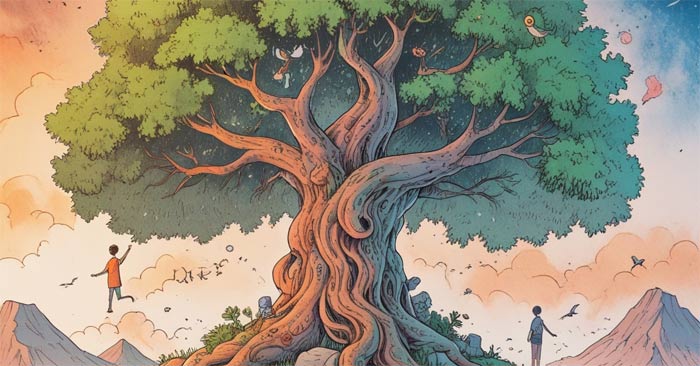
- The meaning of life is not fixed : It develops as you grow and experience new things.
- Embrace change : do not be afraid to change your goals; see them as opportunities to grow.
- Focus on the present : Find joy in everyday moments and appreciate the journey.
- Connect with others : Build meaningful relationships and contribute to something bigger than yourself.
- Practice self-reflection : Regularly assess your values and what is really important to you.
Let's face it: life is a giant mystery that humans have been trying to solve since the dawn of time. From philosophers to children going to bed one night, everyone has pondered the same question: What is the meaning of life? Yet the answer is often like nailing jelly to a wall—it changes, evolves, and depends entirely on who you ask.
The point is: the meaning of life is not a truth carved in stone. It is not hidden in a dusty book, nor is it stamped on the back of your birth certificate. The meaning of life is a moving target, changing with age, circumstances, and mindset. Let's break it down step by step.
First Steps: Sweetness and Affection
The golden age of life when the biggest problem is simply waiting for someone to change your diaper. For a child, the meaning of life is wrapped up in simple pleasures: a sweet treat, a warm hug, and the occasional game of peek-a-boo. Nothing is more fulfilling than seeing your parents' silly smiles or feeling the comfort of being rocked to sleep.
Babies remind us that the meaning of life can be surprisingly simple. It is not about wealth or material achievement. It is about connection, love, and security.
Teenage Dreams: Love at First Sight and Chaos
Fast forward to your teenage years, and life suddenly becomes a lot more chaotic. Hormones, heartbreak, and high school drama take center stage. At this stage, the meaning of life often revolves around social acceptance. it is about that crush or that group you'd do anything to fit in with.
do not sugarcoat it: Being a teenager can be like riding a roller coaster without a seatbelt. But in those anxious moments, teens are starting to figure out who they are and what they want. Even if it is just figuring out how to text a crush without seeming desperate.
Twenties: Work, Passion, and the Illusion of Adulthood
In your twenties, the world tells you it is time to grow up. Crisis sets in. Suddenly, the meaning of life seems to be tied to finding a job, pursuing your passion, or climbing the corporate ladder. Social media does not help; everyone seems to have their dream job, side hustle, and perfect vacation. Meanwhile, you're just proud of yourself for remembering to pay your Wi-Fi bill on time.
But the truth is: your twenties aren't about having it all figured out, they're about experimenting. You're learning what's really important, and it is rarely about what society tells you it should be.
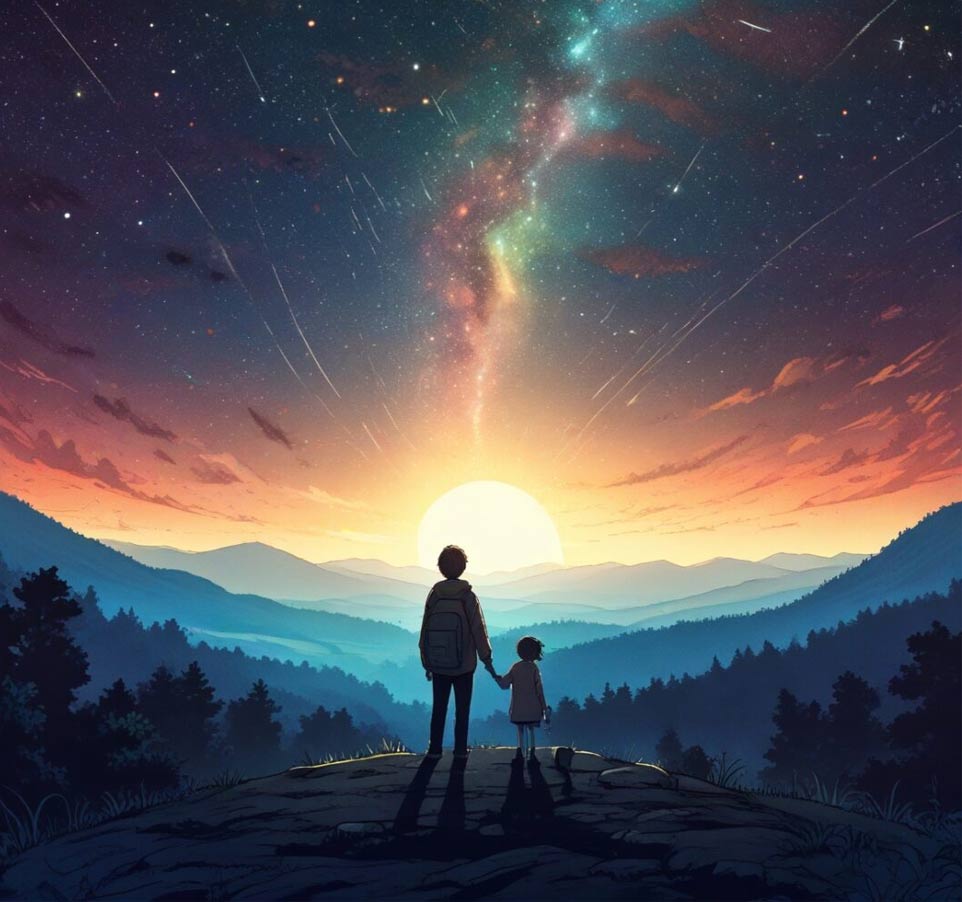
Thirties: Settling Down and Self - Discovery
As we enter our thirties, life starts to feel a little more stable—or at least we hope it does. Stability often becomes the name of the game. For many, this is the decade of building a home, settling into a career, and maybe starting a family.
But be warned: Your thirties are also a time when people realize that stability isn't everything. Some people begin to pursue self-discovery, rekindle old passions, or even change careers. The meaning of life during this period often becomes a balancing act between self-fulfillment and societal expectations.
Forty and Fifty: Wisdom and Perspective
By the time you reach your forties and fifties, you've probably experienced enough ups and downs to write a memoir. The meaning of life changes again—this time with perspective and purpose. it is no longer about climbing the ladder or impressing others; it is about making a difference, whether through your work, your family, or your community.
This stage also brings the wisdom to realize that life's little moments—quiet evenings with loved ones, a good book, or a sunset—have more meaning than we previously realized.
The Golden Years: Family and Legacy
As we age, our focus often shifts to family, health, and leaving a legacy. The meaning of life is no longer about doing but about being. Spending time with our grandchildren, sharing stories, and passing on wisdom are central.
It is a time for reflection. Looking back, you realize that the meaning of life is not in any stage or achievement. It is the journey, with all its twists and turns.

When Life Feels Meaningless
What happens when you feel like life is meaningless right now? For those struggling with depression or existential anxiety, this question becomes even more pressing.
The truth is: the meaning of life does not always reveal itself right away. Sometimes it takes effort to find even the smallest glimmer of joy. And that is okay. Meaning does not have to be grand or permanent. It can be as simple as getting out of bed, helping a friend, or creating something new.
So, what is the meaning of life? The answers are as varied as the people who ask this question. They vary with age, perspective, and experience. For some, it is love. For others, it is purpose. And for many, it is simply the joy of being alive.
Instead of looking for the 'right' answer, focus on what brings you joy and fulfillment right now. Because ultimately, the meaning of life is not the destination, but the journey.
FAQ
What is the main takeaway about The Meaning of Life Changes at Different Stages of Life?
The key is to understand the core idea, compare the available options, and apply the practical guidance that matches your situation.
What should beginners know about The Meaning of Life Changes at Different Stages of Life?
Start with the essential steps and terminology. Avoid changing advanced settings until you understand how they affect performance, privacy, cost, or compatibility.
How can I use this information in practice?
Follow the relevant section in order, test one change at a time, and confirm the result before moving to the next step or recommendation.
Related Articles
 4 Stages of Life, at What Stage Are You Suffering18 minutes read
 Sincere Tips Help Change Your Life: That Life13 minutes read
 Understanding the Meaning of These 7 Words, We Will Live Very8 minutes read
 12 Caricatures of Real Life Make You Ponder3 minutes read
 Say 'thank You' Instead of 'sorry' When Doing Something Wrong6 minutes read
 3 Stages of Failure in Work and Life24 minutes read
Reader Comments 0
Sign in with email or Google to join the discussion.