Table of Contents
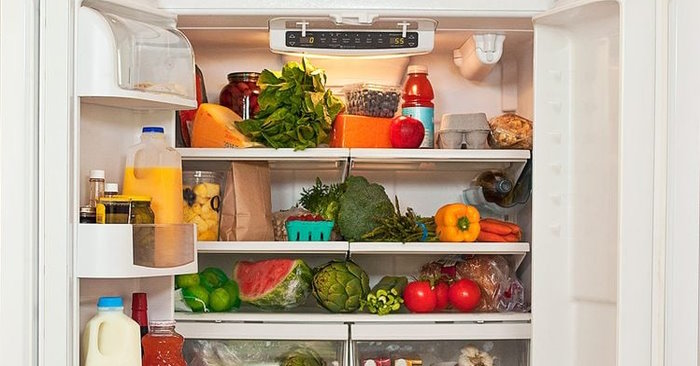
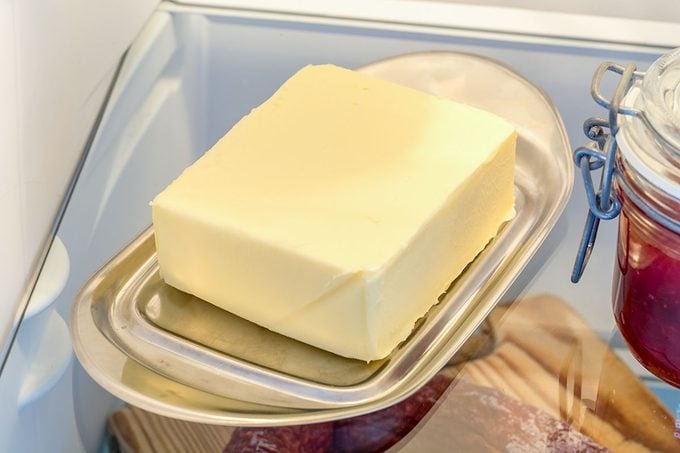
For butter you want to keep for longer, an interior refrigerator shelf is a sensible choice. Keep it in its wrapper or a tightly covered container, away from strong-smelling foods. A covered butter compartment in the door may be convenient, but it is not the most temperature-stable place in every refrigerator.
Why the door is different
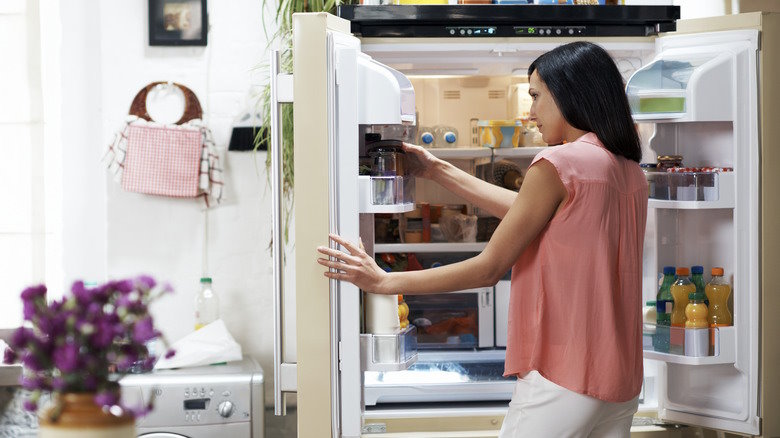
Door shelves are exposed to room air whenever the refrigerator opens. Their temperature can vary more than that of the main compartment, particularly with frequent opening. Repeated softening is a quality concern for butter, and warmer storage matters more for highly perishable foods such as milk and leftovers.
This does not make every butter compartment unsafe. Follow the refrigerator's instructions and the butter's storage label. Do not rely on a universal “use it within a week” rule: the product, actual temperature and handling conditions differ.
A practical place for butter
Keep the bulk of your butter on an interior shelf that stays cold without freezing it. Leave space for air to circulate and keep food clear of vents. There is no one shelf that is coldest in every refrigerator, so check your appliance's layout and use a refrigerator thermometer.
The refrigerator should stay at 40°F (4°C) or below. Its control number is not necessarily a temperature reading. TipsMake's guide to refrigerator temperature controls can help identify the settings; use the manual and thermometer to confirm the actual result.
Keep butter covered to limit exposure to air and nearby food odours. Use a clean knife and avoid returning crumbs or food scraps to the container. Buy an amount you can use while its quality remains good rather than assuming salted and unsalted butter have identical storage lives.
How long does refrigerated butter last?
Start with the manufacturer's date and instructions, including any guidance after opening. Packaging, salt content, formulation and temperature affect storage life. A fixed claim of three or five months is not a guarantee for every product.
The USDA-developed FoodKeeper resource provides product-specific freshness and storage guidance. Use the butter entry that matches the product rather than applying advice for a spread, blend or margarine to everything.
If you will not use extra butter soon, freeze it in suitable wrapping or an airtight freezer container. Portioning it first makes it easier to thaw only what you need. Keep the freezer at 0°F (-18°C) or below, thaw in the refrigerator and follow product guidance. Freezer storage times generally describe quality, not a promise that flavour and texture remain unchanged indefinitely.
Foods better kept out of the door
- Milk and other highly perishable dairy foods: use the main refrigerated compartment and follow the package's storage instructions.
- Eggs: keep refrigerated eggs in their original carton in the main compartment rather than a door rack.
- Raw meat, poultry and seafood: keep them in sealed, leakproof containers below ready-to-eat foods.
- Leftovers and soft cheeses: keep them covered in the main compartment and follow their appropriate storage times.
FoodSafety.gov's handling guidance explains separation of raw foods and refrigerated egg storage. TipsMake's refrigerator organization guide also covers covered containers and separating raw from ready-to-eat foods.
What can go in the door?
Bottled water and condiments whose labels allow that storage are typical choices. Read “refrigerate after opening” instructions and any temperature requirements; not every sauce has the same needs.
Discard butter with visible mould or an off smell rather than trying to rescue it. Do not taste a questionable food to test safety, and do not assume that butter's high fat content makes contamination impossible. Medicines and supplements need their own labelled storage conditions and should not be put in the door simply because it seems cooler than the room.
Related Articles
 Cause and way to fix the phenomenon of refrigerators running continuously without interruption
 Cause and remedy when the refrigerator is sweating, condensing steam
 How to clean the refrigerator properly?
 Why does the refrigerator lose heat and is not cold enough?
 Tips to keep your refrigerator clean
 [Experience] Which refrigerator is the best and the most durable one?
Reader Comments 0
Sign in with email or Google to join the discussion.