Table of Contents
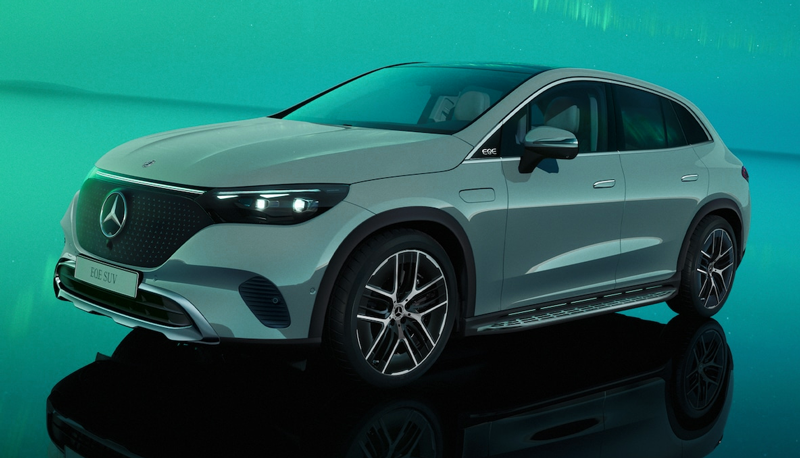
Mercedes-Benz publicly denied reports of a BMW engine-supply agreement at the Munich motor show in September 2025. Markus Schaefer, the company's technology chief at the time, said Mercedes had developed its own FAME modular engine family. The rumored model list and proposed factory should therefore not be presented as an announced partnership.
What the original report claimed
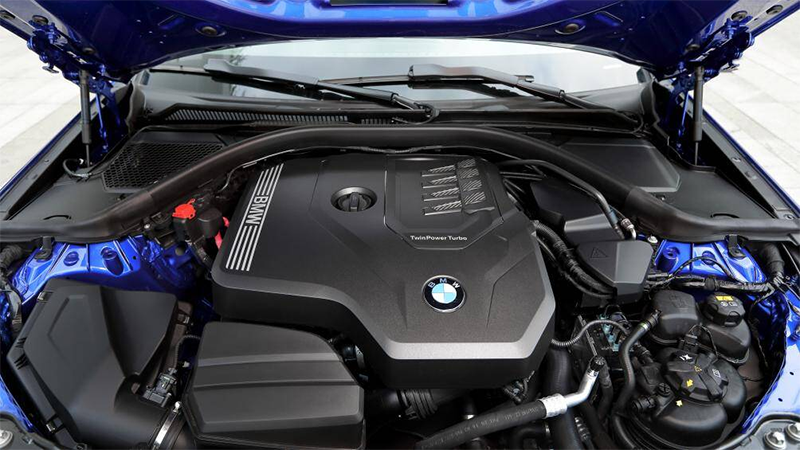
Reporting attributed to Autocar suggested that Mercedes was considering BMW's turbocharged 2.0-liter B48 four-cylinder engine for several future vehicles. The speculation included compact models and plug-in hybrids, with a possible shared manufacturing project in the United States.
Those details were reported possibilities. They were not a confirmed specification sheet, a production commitment or evidence that an existing Mercedes vehicle used that engine.
What Mercedes said in response
In its September 12, 2025 report, Motor1 recorded Schaefer's rejection of the proposed tie-up and his explanation that Mercedes had invested in FAME, short for Family of Modular Engines.
The denial is the central update to the story. An earlier prediction that a deal might be announced before the end of 2025 is historical speculation, not a future deadline readers should still be waiting for.
What FAME means
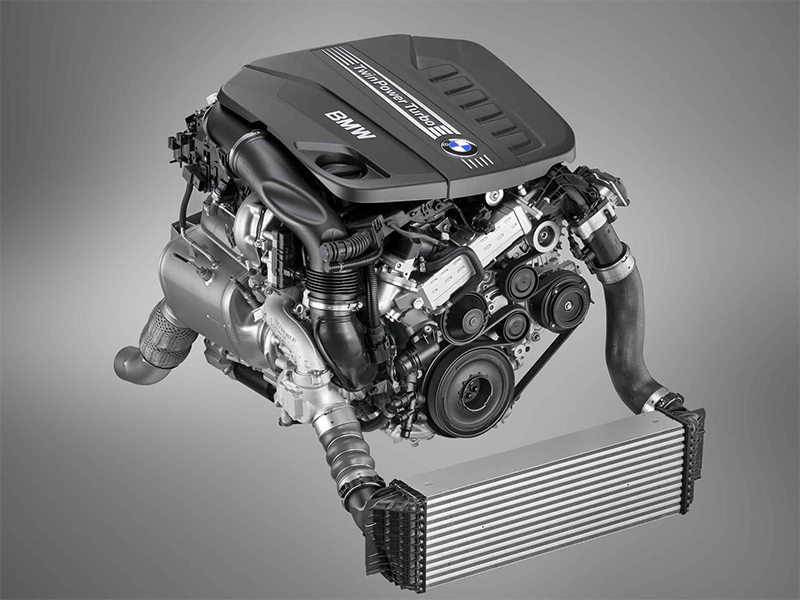
FAME is Mercedes-Benz's modular combustion-engine family. The company's powertrain overview describes a strategy of common components and scalable technologies across different vehicles.
Mercedes also identifies its 1.5-liter four-cylinder hybrid engine as part of that family in its hybrid drivetrain information. That provides context for the company's own development plans; it does not prove every engine variant or market has identical specifications.
Why the rumor attracted attention
Sharing an engine can, in principle, spread development costs and production investment across more vehicles. Changing emissions requirements and the mix of electric and hybrid demand make powertrain decisions commercially important.
However, that general logic does not establish that Mercedes had a business case for this particular deal. Integrating another manufacturer's engine can still require engineering, validation and regulatory work. It would be misleading to say such an arrangement eliminates all additional research and development costs.
What buyers should take from the story
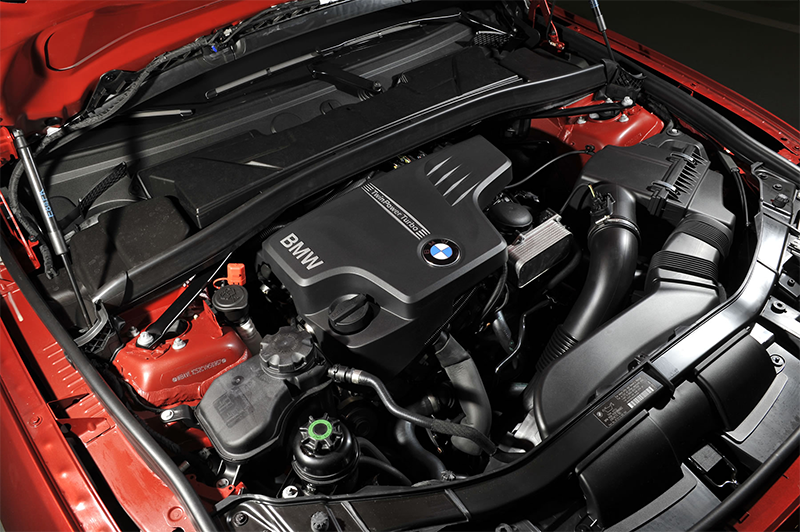
Check the official specification for the exact model, model year and market you are considering. Do not infer engine origin from an old rumor about a broad model family.
This article records the 2025 report and denial. It does not establish that the companies could never cooperate in the future, nor does the rumor by itself prove a failure of Mercedes' electric-vehicle strategy. Any later supply agreement would require its own confirmation.
Related Articles
 Little story about Benz's reckless wife: Without her, there would be no Mercedes-Benz and no more modern cars like today.
 HTC denies being bought by TCL
 The 7 most successful diesel motorcycles ever produced
 Top 5 rumors about Twitter
 iPhone 18 Rumors: Release Schedule, A20 Chip, Cameras, and What Is Unconfirmed
 Search engines may not know you yet
Reader Comments 0
Sign in with email or Google to join the discussion.