Table of Contents
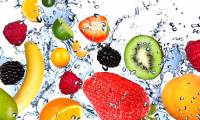
This updated guide explores low sugar fruits are good for health with practical details, clear explanations, and useful takeaways. Fruits contain sugar, but they are also high in fiber and other essential nutrients. Here are some low-sugar fruits that experts recommend as extremely healthy.
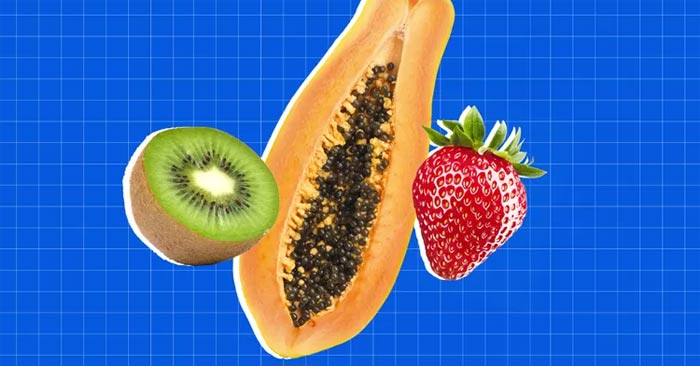
Lemon
Natural sugar: 1g per regular lemon and 2g per lemon
Lemons and limes are culinary staples that add flavor to dishes. They also top the list as the fruits with the lowest sugar content, with 1 and 2 grams of sugar per fruit, respectively. Along with their lower sugar content, these citrus fruits are also high in vitamin C.
Avocado
Natural sugars: 1g per avocado
Although many people think of avocados as vegetables because they are not very sweet, they are actually a fruit. There is only 1g of sugar in a whole avocado. Along with being low in sugar, avocados are also high in fiber, with about 7g of fiber per half of an avocado.
Adding avocado to your diet can increase feelings of fullness, support weight management goals, promote gut health, reduce the risk of heart disease, and improve overall diet quality. Avocados are a great addition to salads.
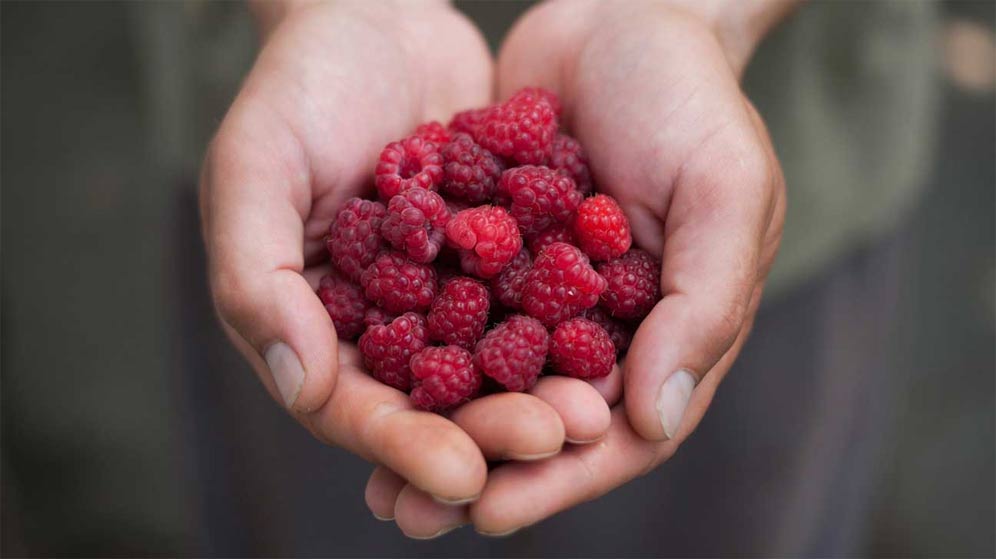
Red Raspberry
Natural sugar: 5g per cup
Not only are juicy raspberries low in sugar, with only 5 grams of natural sugar per cup, they are also low in calories and extremely high in fiber. Just 1 cup provides 8 grams of fiber, more than a quarter of the recommended daily fiber intake for adults in the United States, which is 25 to 34 grams. You can add them to a mango smoothie.
Kiwi
Natural sugars: 7g per kiwi
Kiwis are also a great source of carotenoids, a specific type of phytochemical that has been shown to promote eye and skin health, and one small kiwi has 2 grams of fiber and nearly 90% of the recommended daily intake of vitamin C! These soft little fruits also offer a host of other health benefits, from relieving constipation to improving sleep.
Black Raspberry
Natural sugar: 7g per cup
Although slightly higher in sugar than red raspberries, black raspberries are another great low-sugar fruit. One cup of black raspberries has only 7 grams of natural sugar and 8 grams of dietary fiber. Black raspberries are also a rich source of phytochemicals (disease-fighting plant compounds), including those that have been shown to fight disease, prevent chronic disease, and improve memory.
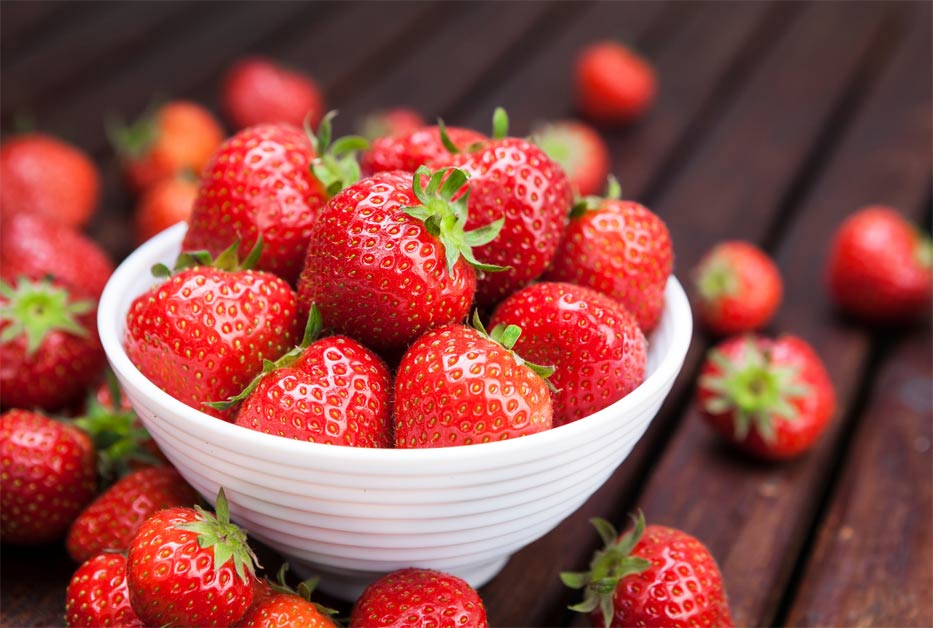
Strawberry
Natural sugar: 7g per 1 cup halved
Strawberries are probably one of the most popular small fruits on the market. Along with providing nearly 100% of the daily value of vitamin C per serving, strawberries are also low in sugar, with just 7 grams per 1 cup of halved strawberries. The combination of fiber, antioxidants, and potassium in strawberries also makes them a boon to your heart health. Sweet, juicy strawberries make a delicious addition to salads.
Watermelon
Natural sugar: 10g per cup
Watermelon's low sugar level may be partly because of the summer fruit's high water content. A 1-cup serving of watermelon has less than 10 grams of sugar and up to 148 ml of water. Watermelon is rich in lycopene, an antioxidant that has been linked to a reduced risk of chronic diseases such as heart disease, type 2 diabetes and Alzheimer's.
Grapefruit
Natural sugar: 11g for ½ grapefruit
You might be surprised to learn that grapefruit, which is notoriously tart, tops the list. Still, it is still considered a low-sugar fruit, with less than 11 grams of sugar in half a grapefruit. it is also rich in vitamins A and C, two top nutrients for supporting your immune system (especially important during cold and flu season).
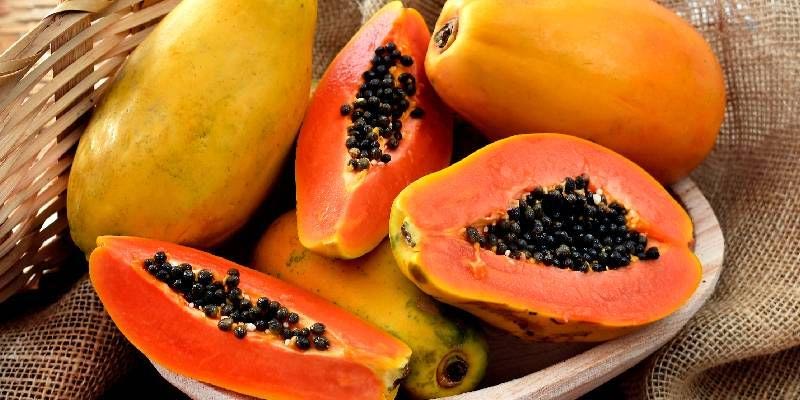
Papaya
Natural sugar : 11g per 1 cup diced
The 11 grams of sugar per cup of papaya is much lower than other popular tropical fruits like pineapple or mango. Also, papaya is high in folate—about 54 micrograms per cup, or about 14 percent of the daily value. While you can enjoy papaya on its own, it makes a great addition to a fruit salad.
Melon
Natural sugar : 13g for 1 cup diced
Like watermelon, cantaloupe has a high water content, so snacking on this fruit can help you meet your hydration goals. Cantaloupe is an excellent source of beta carotene, a provitamin that is converted to vitamin A in the body to support vision and reproductive health. One cup of cantaloupe has nearly a third of your daily value of vitamin A.
FAQ
What is the main takeaway about Low Sugar Fruits Are Good for Health?
The key is to understand the core idea, compare the available options, and apply the practical guidance that matches your situation.
What should beginners know about Low Sugar Fruits Are Good for Health?
Start with the essential steps and terminology. Avoid changing advanced settings until you understand how they affect performance, privacy, cost, or compatibility.
How can I use this information in practice?
Follow the relevant section in order, test one change at a time, and confirm the result before moving to the next step or recommendation.
Related Articles
 Sugar Not Only Affects Your Weight, but Also Mental Health3 minutes read
 5 Fruits Are Recommended to Eat Daily: Guava Fruit4 minutes read
 Good Fruits and Vegetables for Men, Encouraged by Experts7 minutes read
 Plan to Remove Sugar from Your Daily Meals in Just 3 Weeks7 minutes read
 Things to Do When Waking Up to Have Good Blood Sugar6 minutes read
 The Best Way to Wash Fruits Is to Remove Chemicals8 minutes read
Reader Comments 0
Sign in with email or Google to join the discussion.