Table of Contents
Unlike regular diabetes, diabetes insipidus serves as a disease caused by a disorder of the hormone that regulates water, causing the patient to be thirsty and urinate frequently.
When most people think of diabetes, they immediately think of diabetes mellitus — both type 1 and type 2, which are associated with high blood sugar, metabolic disorders, and modern lifestyles. However, there is another, lesser-known form of 'diabetes' — diabetes insipidus — that has nothing to do with blood sugar, despite sharing part of the name.
The only common feature between the two conditions is frequent urination. The word 'diabetes' comes from the Greek word meaning 'to flow through', describing the frequent urination that is characteristic of both conditions.
In diabetes, the cause is a lack of insulin or the body's inability to use insulin effectively, causing sugar (glucose) to build up in the blood. This excess sugar is excreted in the urine, pulling water from the body and making the patient very thirsty, urinating frequently, and even having sweet-smelling urine. In ancient Greece, physicians used to 'taste' urine to diagnose diseases — a memorable story in medical history, but luckily today we only need blood glucose test strips.
When 'diabetes' has nothing to do with sugar: What is diabetes insipidus?
Diabetes insipidus is not related to blood sugar, but originates from a disorder of the hormone arginine vasopressin (AVP) — also known as antidiuretic hormone (ADH). This hormone is secreted by the pituitary gland (at the base of the brain), and plays a role in regulating the amount of water in the body.
When the body needs to retain water (such as when dehydrated), AVP tells the kidneys to reabsorb water, rather than excrete it. But when this hormone is deficient or malfunctioning, the kidneys lose their ability to retain water, causing the person to feel constantly thirsty and urinate frequently — no matter how much water they drink.
The disease is relatively rare, but still affects hundreds of thousands of people worldwide.
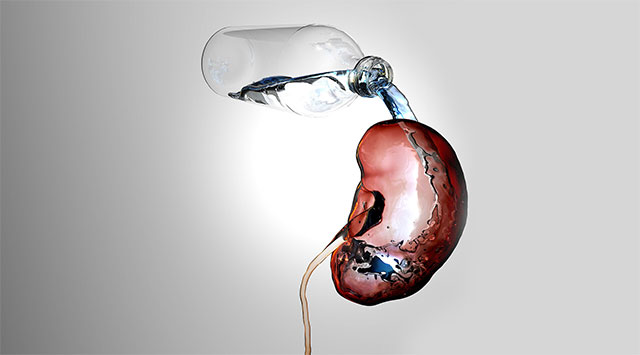
Two main forms: AVP deficiency and AVP resistance
AVP-deficiency (formerly called central diabetes insipidus) occurs when the brain does not produce enough of the hormone AVP. AVP is made in the hypothalamus and then transported to the pituitary gland for release.
Common causes include brain tumors, head trauma, brain surgery, genetics, or neurological infections such as syphilis and tuberculosis. Sometimes the cause is unknown.
A special form, called gestational diabetes insipidus, occurs when the placenta produces enzymes that break down AVP before the hormone can work. Fortunately, this condition usually goes away after birth.
Treatment is fairly simple: desmopressin, a synthetic version of AVP, which can be taken orally, injected, or as a nasal spray, helps the body regain its ability to retain water.
AVP-resistance (formerly called nephrogenic diabetes insipidus) occurs when the kidneys do not respond to AVP, even though the hormone is still produced normally.
The condition can be congenital or acquired, and is often caused by kidney damage, electrolyte imbalances, or side effects of medications, notably lithium (used to treat bipolar disorder). Treatment is more difficult, and involves a low-salt diet, adequate hydration, and certain medications to improve kidney function.
When the thirst center 'malfunctions'
Another rare form is dipsogenic diabetes insipidus, where the part of the brain that controls thirst is disrupted. Also located in the hypothalamus, this center can be damaged by a brain tumor, trauma, or infection, causing the patient to drink constantly.
Drinking too much inhibits AVP production, making the condition worse. Worse, excess water can dilute the sodium in the blood, causing headaches, confusion, and seizures.
This form of the disease can be confused with psychogenic polydipsia, a common disorder in schizophrenia patients, where they drink excessively. There have been recorded cases of patients drinking up to 15 liters of water per day, leading to serious complications.
Drinking too much water is also dangerous.
While many people believe that drinking lots of water is good for you, diabetes insipidus shows that there are limits to everything. Drinking too much, whether due to a medical condition or as part of a 'healthy lifestyle', can lead to water intoxication.
One famous example is NFL star Tom Brady, who recommends drinking up to 8 liters of water per day — a number far exceeding the average need.
In fact, drinking too much or having unusually long-lasting thirst can be a sign of an underlying medical condition that requires prompt medical attention.
Conclude
Diabetes insipidus reminds us that 'diabetes' is about more than just blood sugar. Although rare, if not diagnosed and treated properly, this disease can be life-threatening.
If you or a loved one is experiencing symptoms such as extreme thirst, frequent urination, or persistent fatigue, don't ignore them. Go see a doctor to determine the cause - it may not be 'sugar', but your hormones or kidneys are calling for help.
FAQ
What should you know about diabetes insipidus explained?
In practical terms, unlike regular diabetes, diabetes insipidus is a disease caused by a disorder of the hormone that regulates water, causing the patient to be thirsty and urinate frequently.
Why does diabetes insipidus explained matter?
The article highlights that diabetes insipidus is not related to blood sugar, but originates from a disorder of the hormone arginine vasopressin (AVP) — also known as antidiuretic hormone (ADH).
What is the main takeaway?
The main takeaway is that conclude Diabetes insipidus reminds us that 'diabetes' is about more than just blood sugar.
Related Articles
 Unbelievable Story: the Brain Can Produce Sugar for Itself3 minutes read
 What Is Diabetes: Diabetes -- Learn Causes && Symptoms11 minutes read
 Less Sleep Related to Diabetes in Pregnant Women3 minutes read
 The Most Obvious Signs of Diabetes6 minutes read
 Plan to Remove Sugar from Your Daily Meals in Just 3 Weeks7 minutes read
 Maintain These 6 Habits to Stay Healthy and Prevent Diabetes4 minutes read
Reader Comments 0
Sign in with email or Google to join the discussion.