Table of Contents
Some famous landmarks are easier to understand when you look at how they were built, maintained, or rebuilt. The Tower of Pisa’s tilt comes from its ground conditions, while the Eiffel Tower’s summit contains a room associated with Gustave Eiffel.
1. The Eiffel Tower has a summit office
At the summit, visitors can see a reconstruction of Gustave Eiffel’s office through glass. It shows how a room near the top was furnished and used to receive guests.
2. The Taj Mahal is a mausoleum
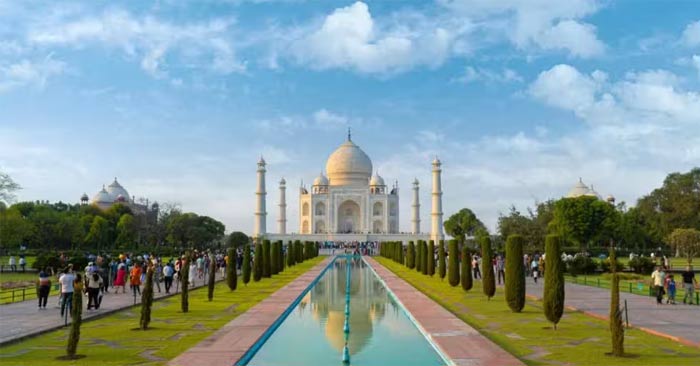
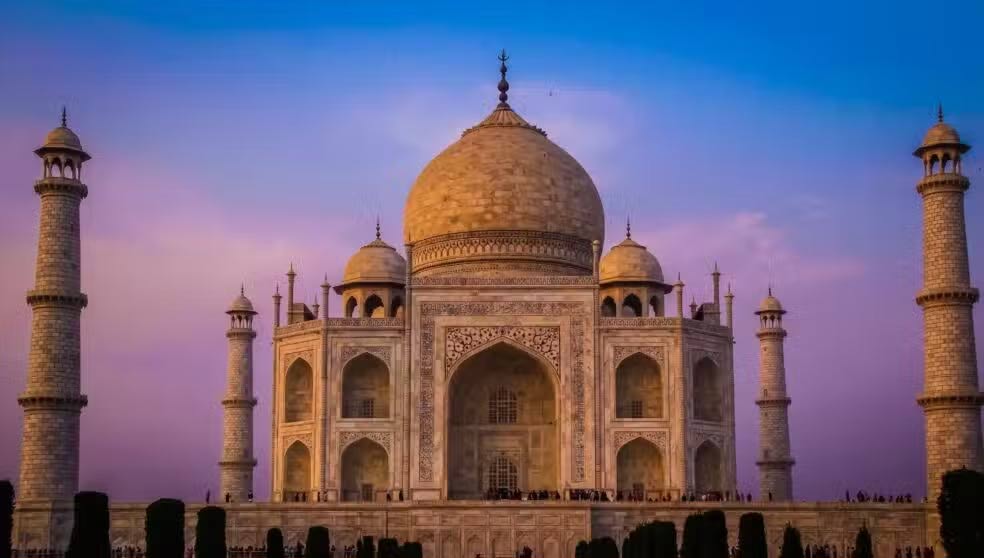
Mughal emperor Shah Jahan commissioned it in memory of Mumtaz Mahal. The white marble mausoleum is the centerpiece of a larger complex with gardens, gates, and other buildings. The UNESCO listing explains the site’s significance.
3. The Empire State Building has 102 stories
Its shape and spire mark the New York skyline. The observatories on the 86th and 102nd floors offer different perspectives, so check which floor a ticket includes if you’re planning a visit.
4. The Tower of Pisa began leaning during construction
Its foundation settled unevenly in soft ground. Later stabilization reduced the tilt and helped make the tower safer while preserving the lean visitors recognize.
5. Some ancient Roman concrete can seal small cracks
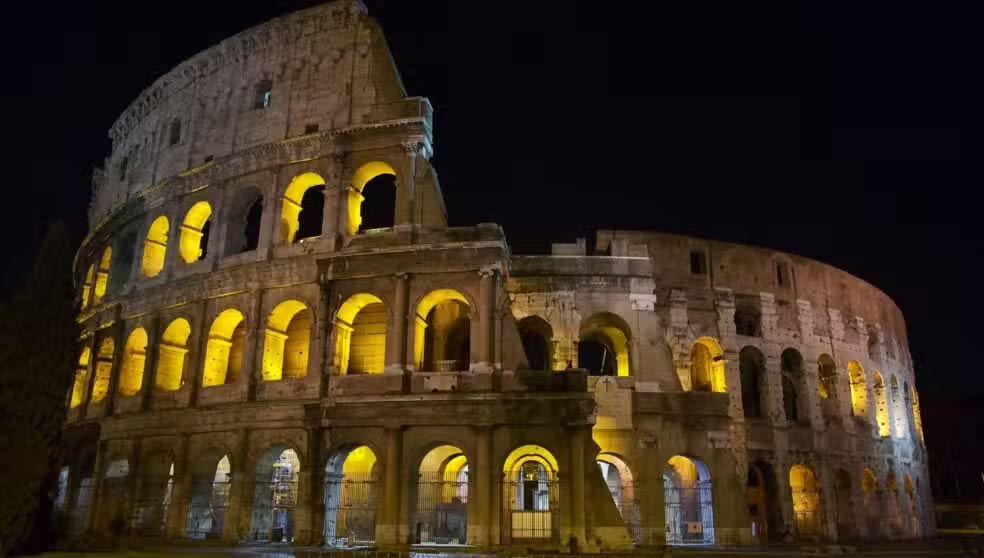
Researchers studying Roman building materials have investigated how lime-rich particles can help seal cracks under certain conditions. That work helps explain the durability of some Roman concrete. It doesn’t mean major damage to the Colosseum repairs itself.
6. The Burj Khalifa needs dedicated window-maintenance equipment
At this scale, workers maintain the façade from purpose-built equipment. The size and shape of the tower make exterior glass maintenance an ongoing operation.
7. The Shard’s silhouette comes from its tapering glass exterior
London’s Shard narrows toward its tip, where separate glass planes give it its familiar outline. That shape is one reason it looks different depending on where you stand.
8. The White House survived fires and rebuilding
British troops burned the White House in 1814. A separate fire damaged the West Wing in 1929. A later renovation during Harry Truman’s presidency rebuilt much of the interior of the main residence.
Related Articles
 90% of the world population does not know the mysteries in these famous works
 Interesting facts that can change the way you see the world
 30 surprising facts in the world surprise both 'smartest' people
 Interesting mysteries about the fruits we eat every day
 12 interesting facts about the world not everyone knows
 Interesting facts about the Sun that you may not know
Reader Comments 0
Sign in with email or Google to join the discussion.