Table of Contents
Explore if you want to know if the neighborhood where you're planning to buy a house.

Simply put, if you want to know if the living environment around the house you intend to buy is suitable for you, do the following things.
Walk instead of driving around the area
This is an effective way to gauge the general feeling about the place. If you have a dog, take it for a walk; you'll find it easier to strike up conversations with people who share your interests. Walking around will tell you whether the neighborhood is bustling with activity at all hours, or if it's extremely quiet. You'll get a sense of whether the neighbors are sociable or introverted. This will tell you whether the area suits your lifestyle, or whether you would feel bored or uncomfortable living there.
Walking around also gives you a chance to meet the residents and chat with them a little. Some casual conversations can reveal a lot about the character of the place and whether people are happy living there or have to endure unpleasant things every day.
Take a walk around at different times of the day
Drive to your potential new home at different times of the day and just sit there for a while and listen. Noise is one of the top complaints people have about their neighbors, but it can be hard to notice when you're actively touring a house and working with a real estate agent. Sitting for a while and listening will tell you whether the neighborhood is full of barking dogs, screaming children, noisy train tracks, loud sound systems, or heated arguments.
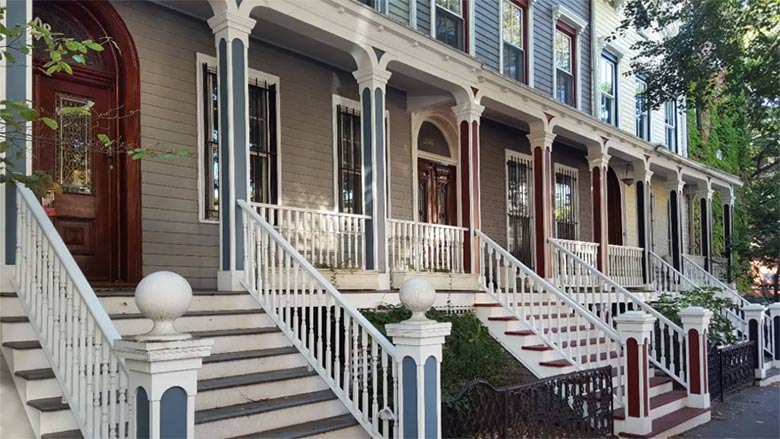
Renting a house to live in for a short period of time
If you have the time and flexibility, consider a short-term rental in the neighborhood you're considering moving to. A short stay will give you a day or two to see what daily life is like there. You'll also have a chance to find out how walkable the area is, what the local shops and nightlife are like, and even how easy it is to find street parking. All of this will help you decide if the surrounding environment is worth settling down in permanently.
Experience the nightlife
Walking around and observing the neighborhood are effective ways to assess the atmosphere, but be sure to dedicate some weekend evenings to checking out your new home. A neighborhood as quiet as a sheet of paper on Monday morning might turn into a huge party on Friday night—which may or may not be what you're looking for. If possible, consider visiting the place on a holiday as well—a neighborhood that regularly hosts parties or special social events will have a very different atmosphere than one where everyone keeps their distance.
Even if you don't rent a room, you might consider shifting your nightlife to the new neighborhood for a few nights. Visit some restaurants, bars, cafes, or other places. These will be places you frequent when you live there, so knowing whether the neighborhood where you plan to buy is walkable, always busy, extremely noisy, or simply doesn't fit your pace of life is helpful information.

Check the grocery stores
There's definitely a hierarchy among grocery stores, so you should check your options in the neighborhood you're moving to. Upscale locations will be cleaner and more well-stocked, with fresh produce but higher prices. Budget stores might not be a pleasant shopping experience and could indicate a neighborhood that's declining. And having no local options and being forced to drive to a large store can make life there much more difficult. Your perception of the local grocery situation may depend on your lifestyle, but it's important to ensure the stores fit your expectations and needs, whatever they may be.
Final Thoughts
Understanding if you want to know if the neighborhood where you're planning to buy a house is right for you, do the following makes it easier to evaluate the information and apply the most relevant recommendations. Focus on the key points above and verify details that may change over time.
FAQ
What is if you want to know if the neighborhood where you're planning to buy a house is right for you, do the following?
Explore if you want to know if the neighborhood where you're planning to buy a house.
What key points does this article cover?
The article focuses on Walk instead of driving around the area, Take a walk around at different times of the day, Renting a house to live in for a short period of time, with practical explanations and examples.
How can you use this information in practice?
Use the explanations to compare options, verify important details, and make a more informed decision. Apply the recommendations that best match your goals and situation.
Related Articles
 The World's Largest 3D Printing Neighborhood Is Nearing Completion: Explained4 minutes read
 Startled with Houses Built on Unbelievable Terrain5 minutes read
 Top of the Best Versatile Mops for Sisters: House Mop 3607 minutes read
 3-compartment House: 3-model House with Beautiful Modern Space2 minutes read
 A Guide on How to Paint Your House Yourself14 minutes read
 5 Drawings of Level 4 Houses with 2 Modern Bedrooms3 minutes read
Reader Comments 0
Sign in with email or Google to join the discussion.