Table of Contents
Explore these are the subtle things that ruin a house.
Many financial advisors recommend allocating around 2% of your home's purchase price to maintenance each year. This expense is well worth it, as it prevents small problems from becoming bigger ones and keeps your home in good condition so you can truly enjoy living there.
It's reasonable to assume that if you do minimal home maintenance, you can have greater peace of mind. But even if you repair things when necessary and perform all the recommended annual inspections and maintenance, you can still damage your home in countless ways. That's because many things homeowners don't think about can actually ruin their home in the long run.
Doing these things occasionally might not seem like a big deal, but over time and when repeated, they can create a headache when you have to consider the financial implications of home repairs.
Using too many bath bombs
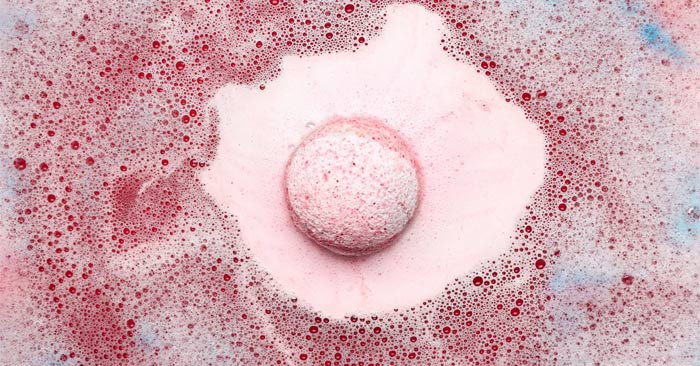
If you're relieving stress by taking a hot bath "spiced up" with a colorful, bubbling bath bomb, you might be damaging your home's plumbing system. Bath bombs typically contain ingredients like citric acid, cream of tartar, Epsom salt, and baking soda, not to mention fragrances, glitter, or other decorations to create a romantic atmosphere in the bath. Over time, all of that can easily solidify in your pipes or get stuck in existing blockages, making them worse. An occasional bath bomb won't cause much trouble, but if you use it regularly, you risk paying a lot of money to the plumber.
Use chemical drain cleaner
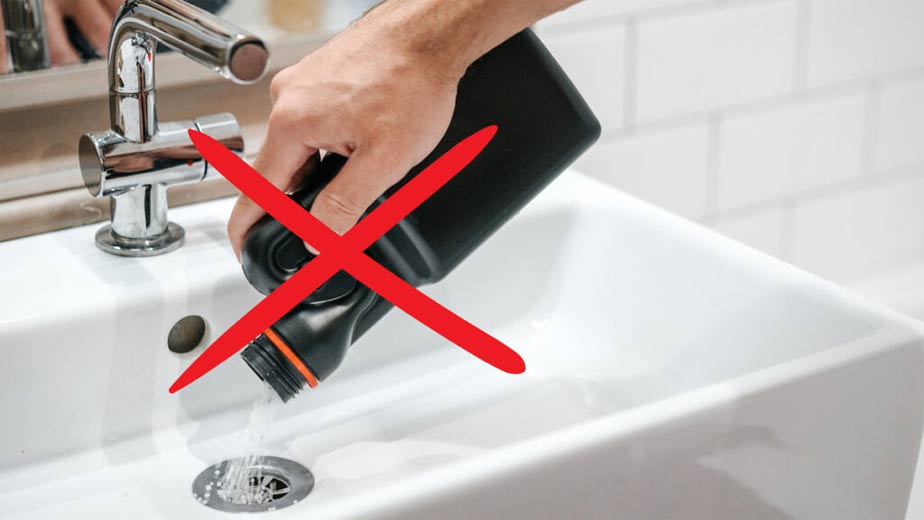
If your drain is clogged and you use a chemical drain cleaner to deal with the problem, you probably won't ruin your house in the process. But if the drain is frequently clogged and it's regularly exposed to that chemical, you're not only temporarily solving a bigger problem (why is your drain always clogged?) but you could also damage the pipes. Most store-bought drain cleaners are corrosive or oxidizing, and both release heat as part of the process of turning the clogging material into something more soluble and easier to unclog. That heat can soften PVC pipes and bend metal pipes over time. If your drain is consistently clogged and slow-draining, it's probably better to call a plumber and take some basic maintenance steps.
The device is placed in the wrong position
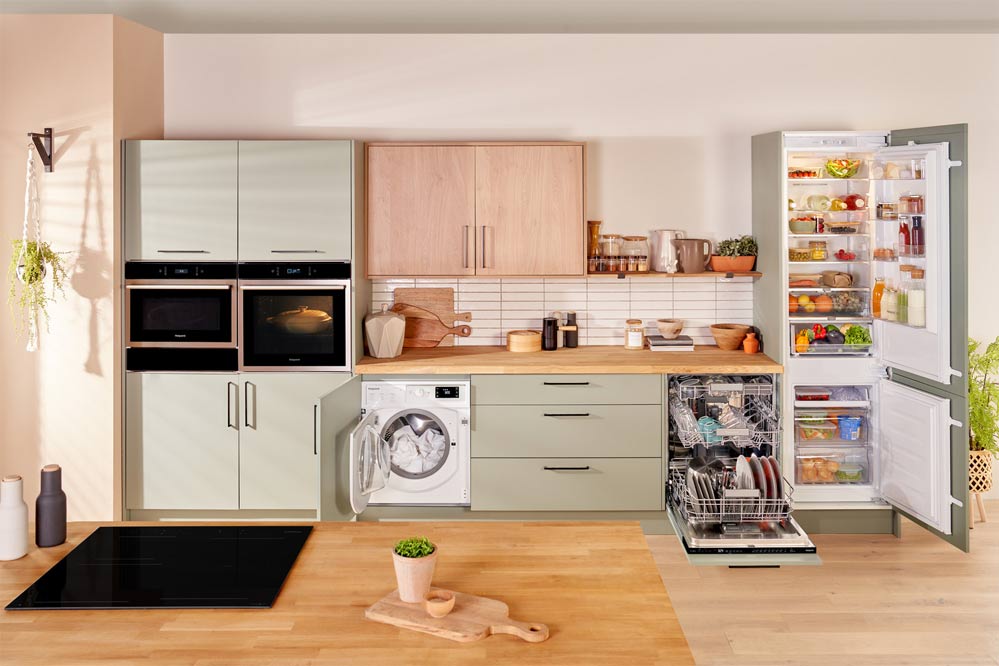
Almost every appliance in your home, from refrigerators to televisions, generates heat during operation. If you place one or two appliances near your home's thermostat, this can have a real negative impact on two things: your electricity bill and the lifespan of your HVAC system. This is because the heat from the appliances will trick the thermostat into making your house hotter than it actually is, causing the air conditioner to run more in the summer and the heating system to run less in the winter. The HVAC system will experience more wear and tear, leading to a shorter lifespan, more repair bills, and more frequent replacement costs.
Paint on the tiles
If there's exposed brick inside a house you've painted, it could trigger an expensive home repair bomb. Brick is a porous material and needs to "breathe" properly. Paint can seal the brick, trapping moisture inside, which can lead to brick damage, mold growth, and paint peeling. The problem is worse when it's an exterior brick wall, but even a completely interior wall can slowly deteriorate if painted incorrectly.
If you must paint that wall, prepare the surface carefully and use a paint designed for construction work. Then, keep an eye on it. Regularly check for air bubbles, peeling, and brick dust—all evidence that moisture is soiling your wall.
Repaint the rotten areas
Speaking of paint, it's important to note that paint isn't magic. If you notice a little decay in the wood of your home's interior or exterior, cleaning and repainting certainly won't stop it. In fact, it will make things worse because paint traps moisture, potentially accelerating the decay that's eating away at your home—plus, that trapped moisture will cause the paint to blister and peel prematurely. Even with minor decay, you must find the source of the moisture and treat it, then repair or replace the wood as needed before painting.
Final Thoughts
Understanding these are the subtle things that ruin a house, and few people realize it makes it easier to evaluate the information and apply the most relevant recommendations. Focus on the key points above and verify details that may change over time.
FAQ
What is these are the subtle things that ruin a house, and few people realize it?
Explore these are the subtle things that ruin a house.
What key points does this article cover?
The article focuses on Using too many bath bombs, Use chemical drain cleaner, The device is placed in the wrong position, with practical explanations and examples.
How can you use this information in practice?
Use the explanations to compare options, verify important details, and make a more informed decision. Apply the recommendations that best match your goals and situation.
Related Articles
 Startled with Houses Built on Unbelievable Terrain5 minutes read
 If You Want to Know If the Neighborhood Where You're Planning to Buy a House Is Right for You, Do the Following7 minutes read
 The Things You Buy Just Make Your Home More Cluttered6 minutes read
 3-compartment House: 3-model House with Beautiful Modern Space2 minutes read
 How to Quickly Applying for a House Number Online4 minutes read
 The White House and the Interesting Mysteries Surprised Many People7 minutes read
Reader Comments 0
Sign in with email or Google to join the discussion.