Table of Contents
This guide explains how to handle Cells, Columns, Rows in a Spreadsheet in Excel, with clear steps, practical tips, and important checks before you begin.
1. Change the width of columns, rows and cells in Excel 2013.
1.1 Change the size of a row or a column:
- Click and hold the left mouse button on the vertical part of the column and drag the mouse to change the size:
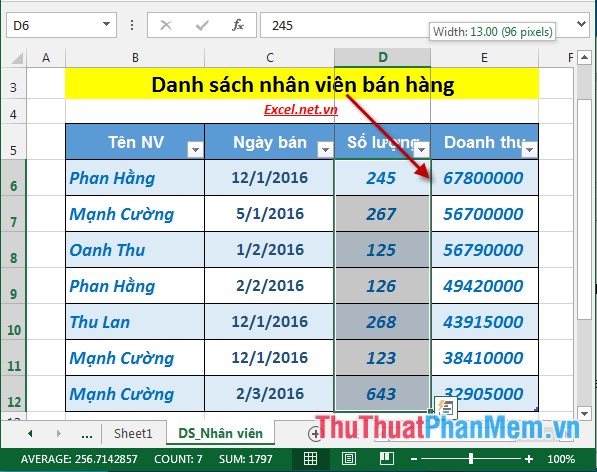
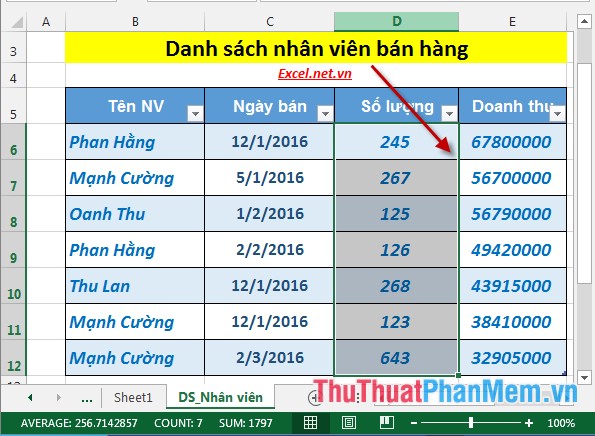
- After dragging, the width of the column has been changed:
- Similarly to change the width of a row -> click on the horizontal section of the row -> drag the mouse to change the size:

1.2 Change the size of multiple rows or columns:
- Change the width of multiple columns: Select the columns to resize -> go to the Home tab -> in Cells -> Format -> Column width:

- The Column width dialog box appears, enter the width of the column in Column width -> OK:

- Result of the width of the resized column:
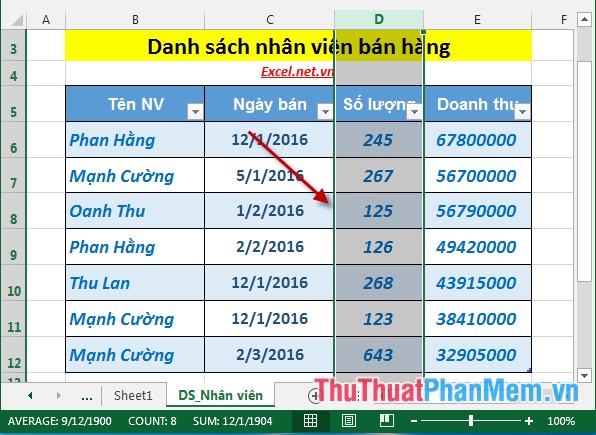
- Similarly to resize rows you click Home -> in Cells -> Format -> Row Height.
2. Insert more cells, columns, rows in Excel 2013.
2.1 Insert more cells in a spreadsheet:
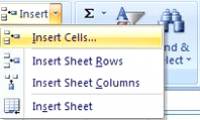
- Click to select a cell to locate the cell to be inserted -> Home -> Cells -> Insert -> Insert Cells.
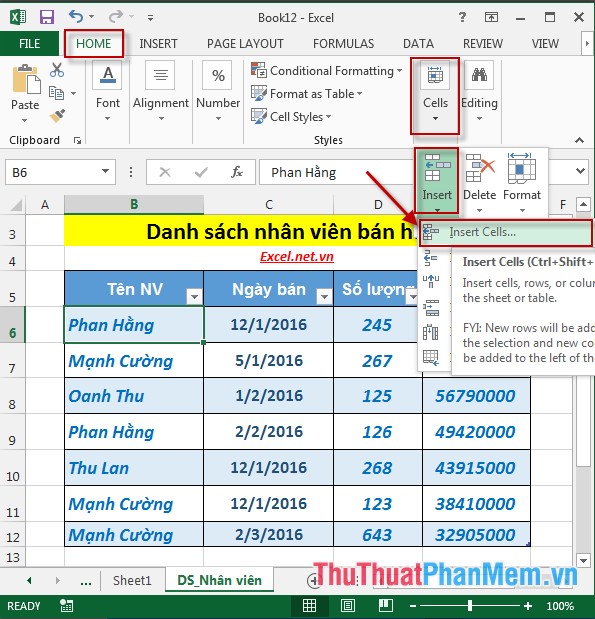
- The result of the cell has been inserted in the worksheet and is usually inserted above the original cell selected.
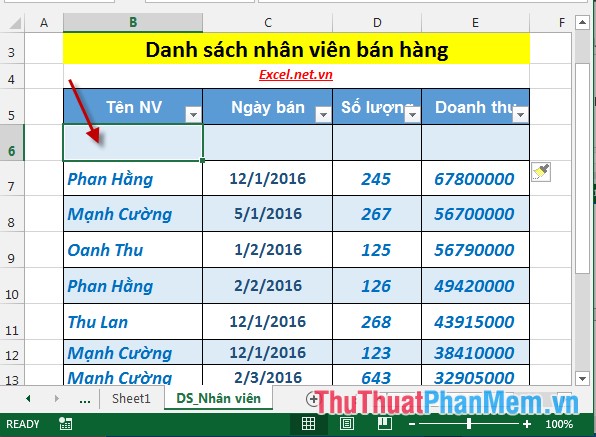
2.2 Insert more columns for spreadsheets.
- Click to select a column to locate the column to be inserted -> Home -> Cells -> Insert -> Insert Sheet Columns
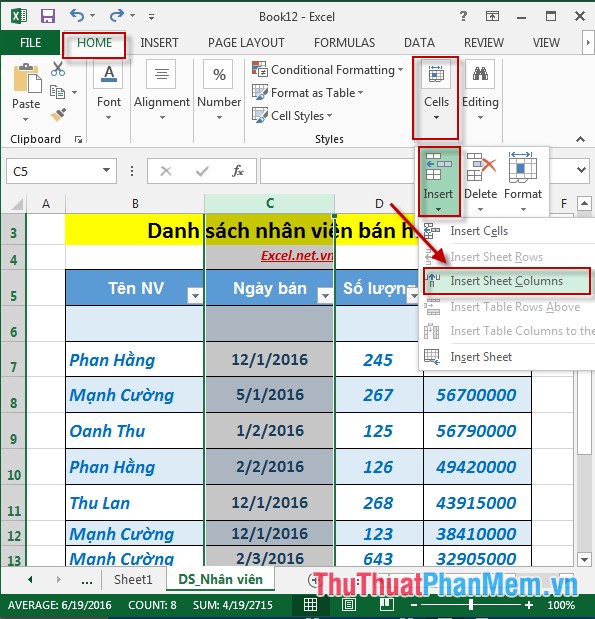
- After selecting the new column is inserted to the left of the original selected column:
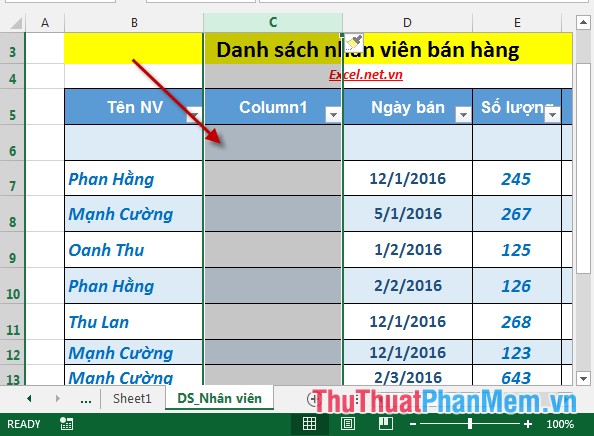
2.3 Insert more rows for spreadsheets.
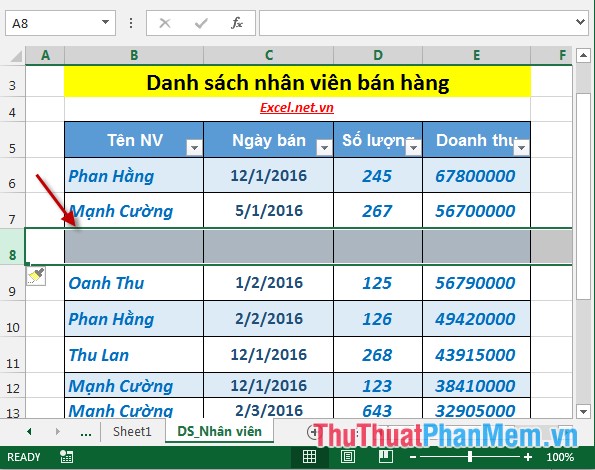
- Similar to inserting columns: Click to select a row to locate the row to be inserted -> Home -> Cells -> Insert -> Insert Sheet Rows
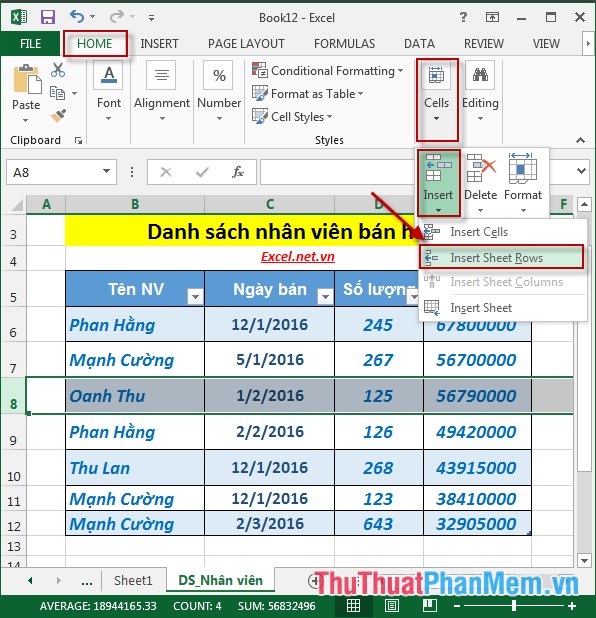
- New row inserted above the selected original row:
3. Delete columns and rows in Excel 2013.
- To delete a column, select the column to delete -> Home -> Cells -> Delete -> Delete Sheet Columns:
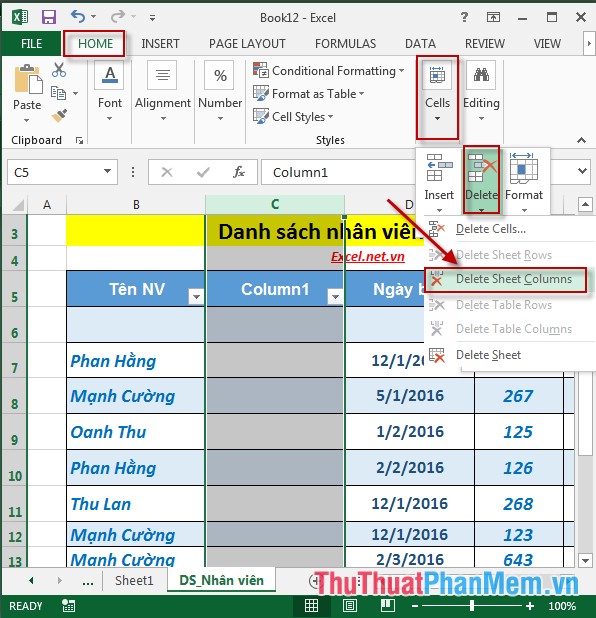
- Similarly, to delete rows, click Delete Sheet Rows , delete the Delete Rows checkbox .
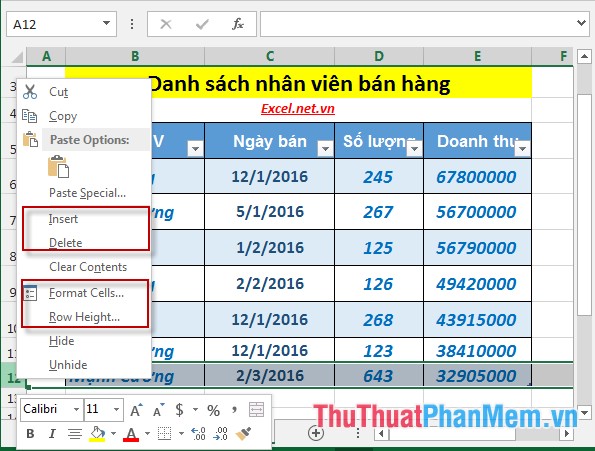
In addition to the above, you can use additional features available when right-clicking on cell, column and row objects on the worksheet:
The above is a detailed guide on how to handle cells, columns and rows in spreadsheets in Excel 2013.
Good luck!
FAQ
What should I know about Handle Cells, Columns, Rows in a Spreadsheet?
Focus on the key features, requirements, limitations, and practical use cases explained in this guide.
How do I get the best results with Handle Cells, Columns, Rows in a Spreadsheet?
Follow the recommended steps, use current software or information, confirm compatibility, and review settings before major changes.
Are there any risks or limitations?
Potential limitations depend on compatibility, data quality, cost, privacy, support, and how the product or method is used.
Related Articles
 MS Excel 2007 - Lesson 10: Modify Columns, Rows and Cells5 minutes read
 How to Convert Columns into Rows and Rows into Columns in Excel3 minutes read
 Complete Tutorial of Excel 2016 (Part 6): Change the Size of13 minutes read
 How to Temporarily Hide Rows and Columns in Excel 20134 minutes read
 How to Freeze Cells in Excel4 minutes read
 MS Excel 2007 - Lesson 5: Edit Worksheet: Insert Excel 2007 Row3 minutes read
Reader Comments 0
Sign in with email or Google to join the discussion.