Table of Contents
This updated guide examines How to Hide Rows in Excel and organizes the essential facts, background, and practical takeaways in clear American English.
Method 1
Hiding a Selection of Rows
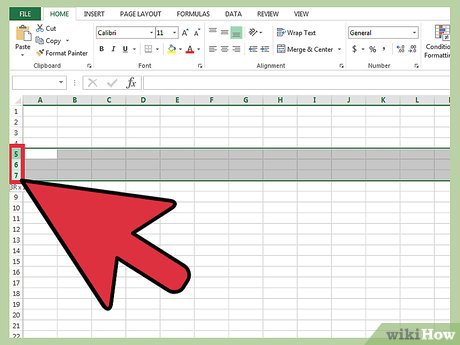 Use the row selector to highlight the rows you wish to hide. You can hold the Ctrl key to select multiple rows.
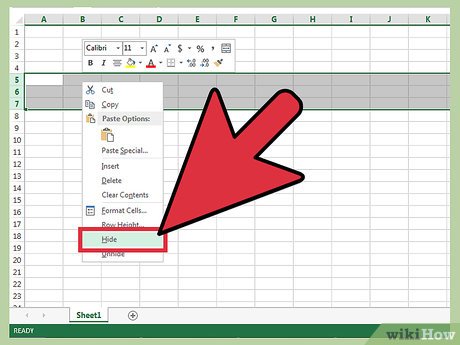 Right-click within the highlighted area. Select 'Hide'. The rows will be hidden from the spreadsheet.
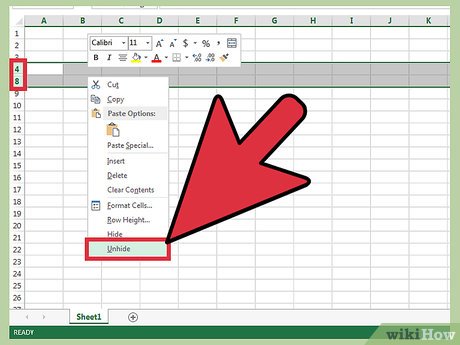 Unhide the rows. To unhide the rows, use the row selector to highlight the rows above and below the hidden rows. For example, select Row 4 and Row 8 if Rows 5-7 are hidden.
- Right-click within the highlighted area.
- Select 'Unhide'.
Method 2
Hiding Grouped Rows
 Create a group of rows. With Excel 2013, you can group/ungroup rows so that you can easily hide and unhide them.
- Highlight the rows you want to group together and click "Data" tab.
- Click "Group" button in the "Outline" Group.
 Hide the group. A line and a box with a (-) minus sign appears next to those rows. Click the box to hide the "grouped" rows. Once the rows are hidden the small box will display a (+) plus sign.
 Unhide the rows. Click (+) box if you want to unhide the rows.
FAQ
What is How to Hide Rows in Excel about?
It provides a structured overview of rows, explains the main context, and highlights practical takeaways for readers.
Why does this topic matter?
Understanding the main concepts helps readers evaluate the issue, avoid common mistakes, and make better-informed decisions.
How should readers use this information?
Use the guidance as a practical starting point, confirm details that may have changed, and follow current product, safety, or security recommendations.
Related Articles
 Keyboard Shortcuts to Quickly Hide and Show Rows and Columns3 minutes read
 How to Temporarily Hide Rows and Columns in Excel 20134 minutes read
 Hide and Display Columns and Rows in Excel3 minutes read
 How to Add Excel Rows: How to Add Rows and Delete Rows in Excel4 minutes read
 Types of Data Hiding in Excel - Hide Pictures, Graphs, Rows5 minutes read
 The Easiest Way to Hide Rows in Excel3 minutes read
Reader Comments 0
Sign in with email or Google to join the discussion.