Table of Contents
Humans have had a significant impact on the evolution of animals. Looking back in history, you will see that the animal world has changed dramatically after human intervention in the process of natural selection.
Humans have had a significant impact on the evolution of animals. Looking back in history, you will see that the animal world has changed dramatically after human intervention in the process of natural selection.
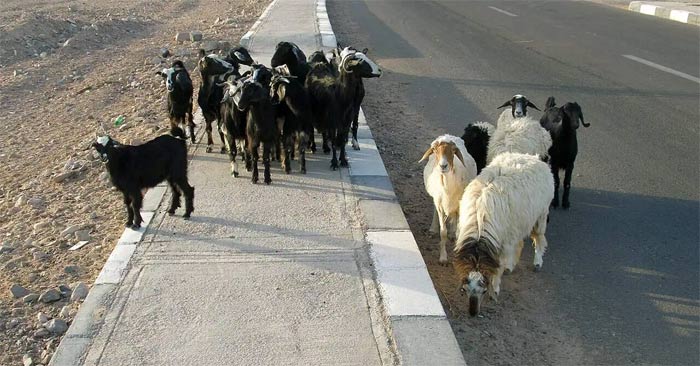
At archaeological sites across southern France and Spain, researchers analyzed thousands of animal teeth dating back 8,000 years. These remains, especially molars from sheep and goats, reveal the profound changes that domesticated animals underwent.
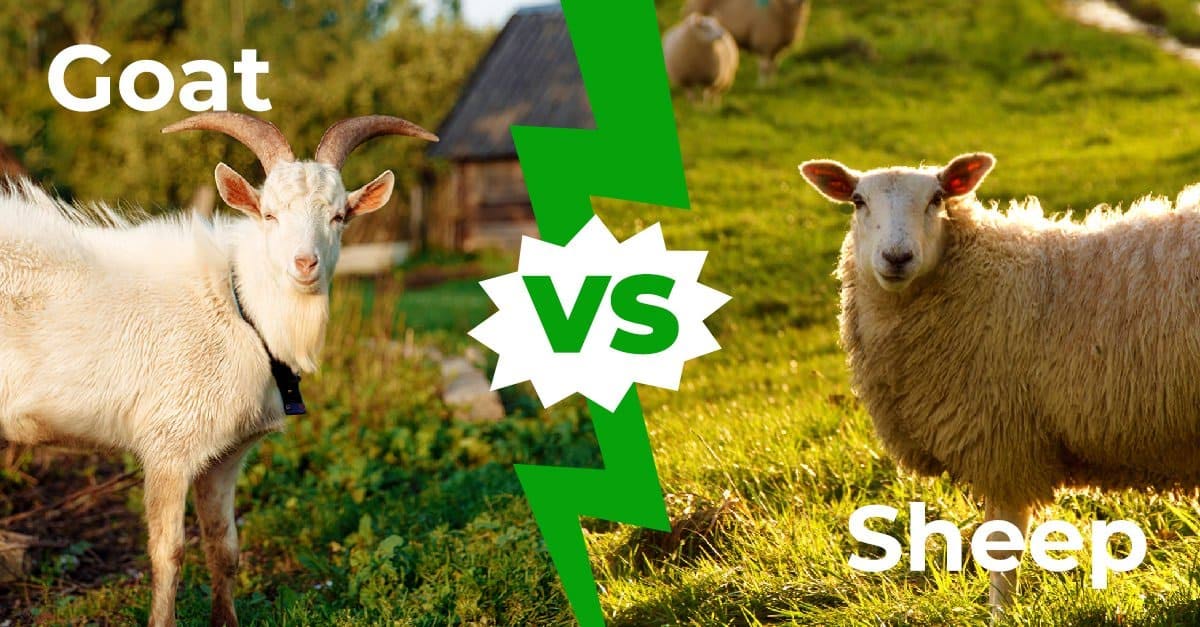
A new study from the University of Montpellier shows that despite grazing together for millennia, sheep and goats have evolved very differently. Their teeth show that sheep have become more diverse in size and shape, while goats have remained relatively stable.
Scientists say the reason for this difference lies in the way humans breed and use them.
Living together but different results
The study, published in the journal Philosophical Transactions of the Royal Society B, was based on a detailed analysis of 2,980 lower third molars from archaeological and modern sheep and goats. The team used a method called morphometry, which allows researchers to measure and analyze their shape with incredible precision. Using this technique, they tracked how teeth in each species changed over six cultural periods, from the Neolithic period to the present day. Teeth are a valuable tool in archaeology because their shape is strongly influenced by genetics, is less affected by environmental factors, and is exceptionally well preserved in burials.
Looking closely at each model, they make it clear: sheep evolved with greater morphological diversity; they came in a wider range of shapes and sizes. Meanwhile, goats remained relatively uniform.
"Distinct patterns emerged," the study authors share . "Sheep showed greater variation, which may reflect selective breeding for different purposes. In contrast, goats showed greater homogeneity in evolution. "
Even when two species lived side by side, under the same environmental pressures, their evolutionary trajectories diverged. This difference became most pronounced during the Middle Ages, coinciding with another change.
Another study in 2025 found that around 1000 AD, domesticated animals such as sheep, pigs and chickens increased in size, while wild animals such as deer, foxes and rabbits decreased in size. For wild animals, this was due to environmental changes (decreasing forests and increased hunting, etc.). At the same time, domesticated animals were under closer human control, and were bred more deliberately and systematically to increase productivity.
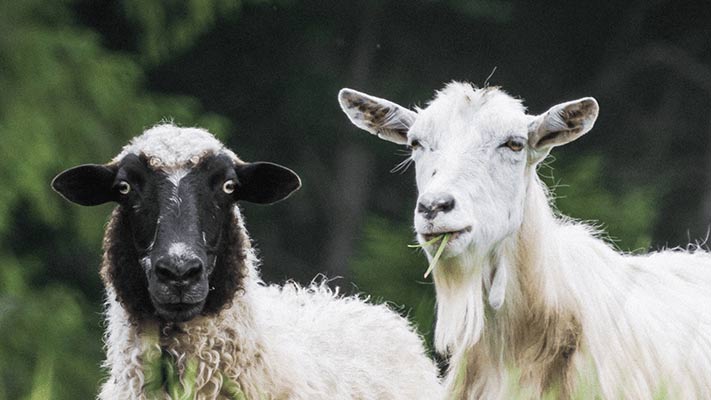
But why are goats and sheep different?
Clearly, humans do not select animals based on the shape of their teeth. But tooth shape and size reflect broader selective pressures. As humans breed sheep for larger bodies or particular skull shapes, the shape and size of their molars change. This is evident in sheep, which have been selectively bred for thousands of years for their meat, milk, and especially wool.
" Sheep have long been the economic mainstay of many pastoralist agricultural societies ," the study authors note. " This diversity of uses has fostered a rich breeding history, resulting in morphological diversity adapted to different functions across time and region ."
But the stability of goats over time has puzzled researchers. Why haven't they changed more?
Goats, often stigmatized in pre-modern Europe for their destructive and indiscriminate grazing, were sometimes restricted by law. By the 18th century, bans on free-range goat grazing had become widespread in France and other parts of Europe.
Restrictions have led to a decline in goat numbers in some areas, which may have stifled morphological diversity.
When goats were raised, they were primarily used for milk. In many places, they were poor people's cattle, often called ' Poor man's cows '. They were hardy, adaptable animals, so they were valued for their resilience rather than their productivity. And their evolutionary story reflects that constraint. Basically, sheep were raised for different purposes and artificial selection took place in different ways. For goats, it was a single purpose.
Another factor may be genetic. The study found that early goats had less variation in tooth shape than sheep, which may indicate a narrower genetic base or less selective breeding in early populations. This may have contributed to their relative morphological stability over time.
And there's the issue of intent. Breeders have often put more effort into improving sheep breeds for different purposes. By modern times, France alone has nearly 50 recognized sheep breeds—but only 19 goat breeds.
Ultimately, the evolutionary history of sheep and goats reveals how humans have shaped animals—and how they have shaped themselves. It reflects changes in agriculture, trade, and even culture over thousands of years.
Understanding the long-term interactions between human societies, environmental changes, and animal morphology is fundamental to evolutionary biology.
FAQ
What should you know about goats and sheep?
In practical terms, humans have had a significant impact on the evolution of animals. Looking back in history, you will see that the animal world has changed dramatically after human intervention in the process of natural selection.
Why does goats and sheep matter?
The article highlights that a new study from the University of Montpellier shows that despite grazing together for millennia, sheep and goats have evolved very differently.
What is the main takeaway?
The main takeaway is that their teeth show that sheep have become more diverse in size and shape, while goats have remained relatively stable.
Related Articles
 Your Coffee Drinking Habits May Be Harmful to Wildlife3 minutes read
 15 Animals Are Most Dangerous to Humans: Animals That Cause Death8 minutes read
 What Is the Most Intelligent Animal on the Planet Besides Humans?4 minutes read
 Close up of the Life and Death Moments of Wild Animals4 minutes read
 Humans Transmit More Viruses to Animals Than They Transmit to Humans Explained4 minutes read
 Why Are Humans the Most Violent Primates6 minutes read
Reader Comments 0
Sign in with email or Google to join the discussion.