Table of Contents
This updated guide explores dietary guide for overweight pregnant mothers with practical details, clear explanations, and useful takeaways. Gaining some weight during pregnancy is completely normal, but for overweight women, excessive weight gain can be a concern. Following a pregnancy diet for overweight women can help control weight while ensuring proper nutrition for both mother and baby.
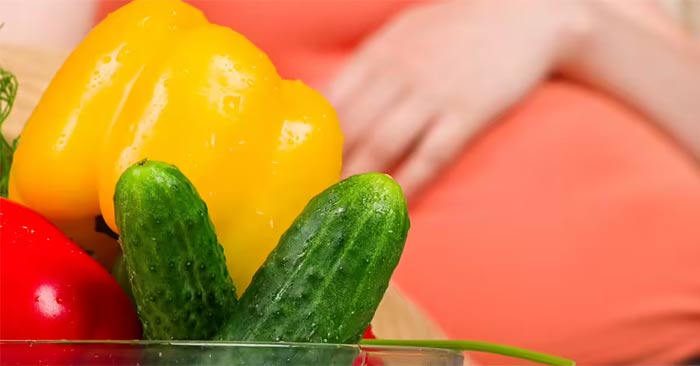
A balanced pregnancy diet should include foods from all the major food groups while controlling your calorie intake. Excessive weight gain during pregnancy can lead to complications such as preeclampsia, gestational diabetes, and even depression. These problems can affect the health of both you and your baby. Here are some healthy food choices to include in your pregnancy diet, including tips for preparing delicious yet nutritionally balanced meals.
Dietary Guide for Overweight Pregnant Mothers
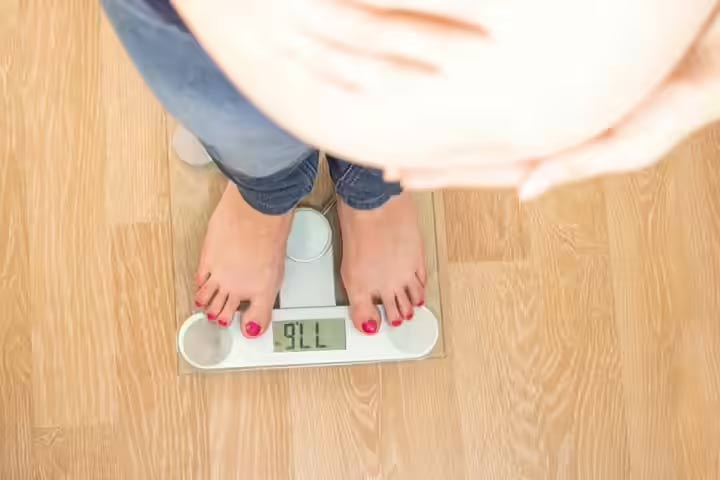
For overweight pregnant women, the focus is on nutrient density rather than simply increasing calorie intake. The goal is to support fetal growth without causing excessive weight gain. Recommended weight gain during pregnancy varies according to pre-pregnancy Body Mass Index (BMI).
- BMI 25.0–29.9 (Overweight) : The recommended overall weight gain during pregnancy is 7.0–11.5 kg.
- BMI > 30 (Obesity) : The recommended overall weight gain during pregnancy is 5.0–9.0 kg.
So, if you are already overweight, try to closely monitor your weight gain during the nine months of pregnancy. Consulting a nutritionist can help you create a plan that suits your individual needs and health status.
Recommended Diet for Overweight Pregnant Women
If you need to watch your weight during pregnancy, you must cut down on unhealthy calorie intake. You can stay healthy and disease-free by including nutritious and low-calorie foods in your meal plan. You must maintain the recommended calorie intake and plan healthy meals during pregnancy.
Start with simple, balanced meals that include high-fiber carbohydrates, lean proteins, and nutritious fats to support energy, control hunger, and stabilize blood sugar. Focus on variety and portion sizes. Include tasty snacks, such as fruit with nut butter or yogurt with seeds, to meet your growing needs without feeling restricted.
Foods to Include in Your Pregnancy Diet
Here are some superfoods that a balanced pregnancy diet should include if you are overweight:
- Vegetables: Eating vegetables that are high in fiber can help keep you fuller for longer, preventing overeating. Some healthy choices include spinach, carrots, sweet potatoes, and tomatoes. It will also aid digestion and prevent constipation.
- Fruits: They provide natural sweetness and essential vitamins without adding too many calories. Fruits like watermelon, bananas, grapefruit, and berries are great choices for overweight pregnant women.
- Whole grains: Choosing whole grains like brown rice, oats, and whole wheat bread provides long-lasting energy. They take longer to digest and keep you fuller for longer. This helps prevent overeating and helps with healthy weight control.
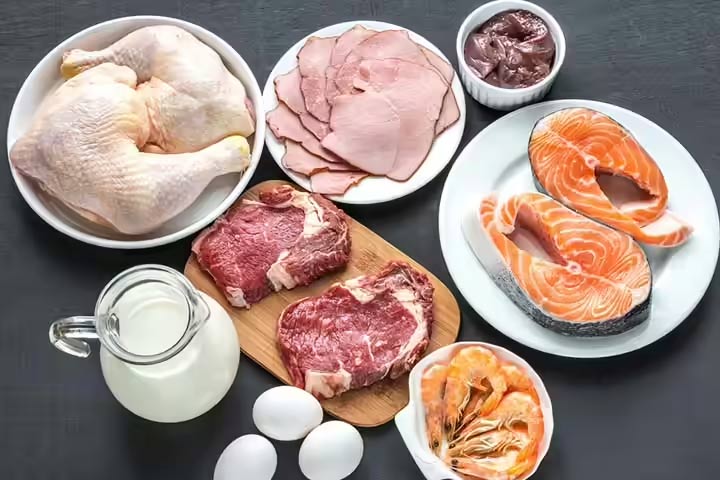
- Lean Protein: Skinless poultry, fish, beans, and lentils provide protein for fetal growth and muscle maintenance without the excess fat found in processed meats. Along with protein, lean red meat is a good source of iron, and fish contains omega-3s. These nutrients are beneficial during pregnancy. Protein also helps keep you full, reducing cravings for unhealthy snacks.
- Low-fat milk: Choosing low-fat yogurt or skim milk ensures you get enough bone-strengthening calcium without the extra calories from whole-fat dairy products.
Foods to Avoid or Limit
While some foods provide essential nutrients, others can contribute to excess weight gain or pose health risks during pregnancy. Here are some foods to watch out for during pregnancy:
- Foods with added sugar or artificial sweeteners because they contribute to unhealthy weight gain and increase the risk of gestational diabetes.
- Sugary drinks , including soft drinks, fruit drinks, energy drinks, and flavored coffees, are high in calories and sugar but offer little or no nutritional benefit. They increase the risk of gestational diabetes, premature birth, and preeclampsia.
- Processed snacks can lead to excessive weight gain during pregnancy, infant obesity, and potentially other adverse outcomes.
- Refined carbohydrates that cause high blood sugar, including processed grains, can not only cause mothers to gain more weight, but also potentially cause larger babies.
- Fried foods and fast foods are high in calories and can easily lead to excessive weight gain during pregnancy.
While weight loss during pregnancy is not recommended, making conscious food choices can help control weight gain and reduce the risk of complications. Along with choosing the right foods, following certain dietary strategies can ensure optimal nutrition.
FAQ
What is the main takeaway about Dietary Guide for Overweight Pregnant Mothers?
The key is to understand the core idea, compare the available options, and apply the practical guidance that matches your situation.
What should beginners know about Dietary Guide for Overweight Pregnant Mothers?
Start with the essential steps and terminology. Avoid changing advanced settings until you understand how they affect performance, privacy, cost, or compatibility.
How can I use this information in practice?
Follow the relevant section in order, test one change at a time, and confirm the result before moving to the next step or recommendation.
Related Articles
 The Pregnant Woman Is Anemic and Should Eat Well for Her Mother7 minutes read
 Pregnant Mothers Who Are Malnourished Can Make Their Hearts Later2 minutes read
 Food Tips for Pregnant Women While Pregnant with Twins14 minutes read
 Massage for Pregnant Women Is Simple but Effective: Complete Overview7 minutes read
 How to Cure Insomnia for Pregnant Women in the Last 3 Months5 minutes read
 Mothers with Pre-eclampsia Are at Risk of Heart Disease Later3 minutes read
Reader Comments 0
Sign in with email or Google to join the discussion.