Table of Contents
This guide provides a practical overview of clean the clean and clean pressure cooker after 7 steps with clear explanations and useful details. It focuses on the information users are most likely to need.
Every day you clean the pressure cooker properly? The following article will detail how to clean each part of the pressure cooker for people to refer to.
Instructions for cleaning mechanical pressure cookers
Mechanical pressure cooker has a fairly simple structure including: Handle, safety valve, pressure valve, pot body, lid, rubber gasket. Steps to clean the pressure cooker are as follows:

Step 1: Remove the pressure valve to the outside to release all pressure in the pot.

Step 2: Remove the lid of the pot
- For a pressure cooker with a long handle, hold the pot in the opposite direction to open the lid.
- For a pressure cooker with a rotary knob on the lid of the pot, turn it to the copper needle to open the lid.
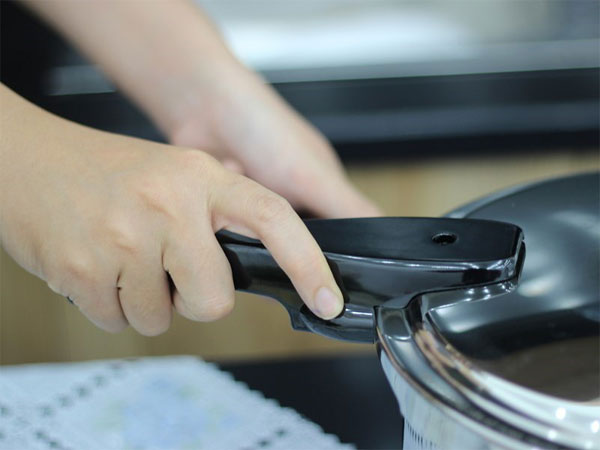
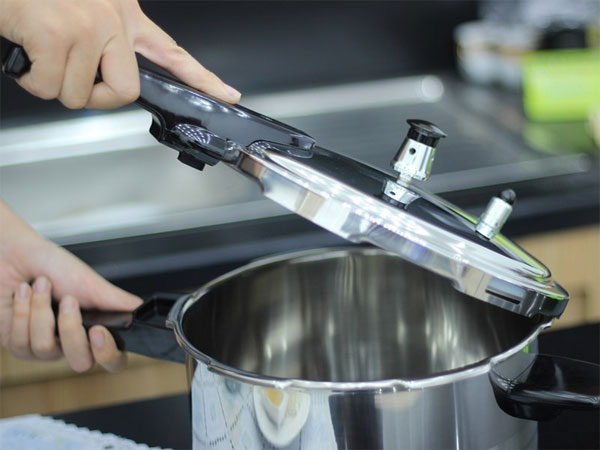
Step 3: When the lid of the pot has been removed, then remove the rubber gasket in the inner lid and rinse it with clean water under the sink to avoid food or grease.
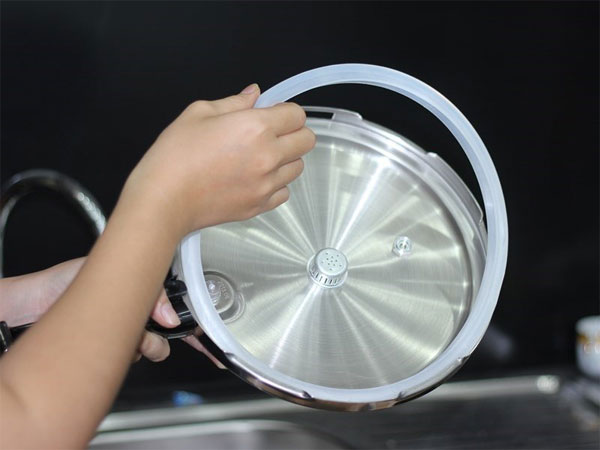
Step 4: Clean the lid of the pot by washing the bowl with water to wash, then rinse with clean water until the foam is gone.
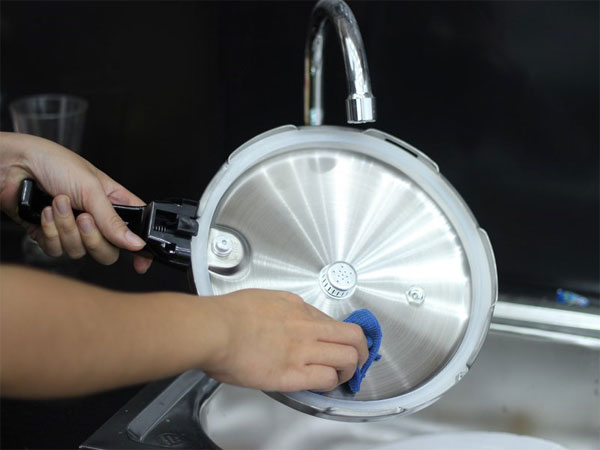
Step 5: Clean the pressure valve
Pressure valves are very important parts that discharge steam pressure in the pot. However, valves often have small slots that are easy to get into. If not cleaned immediately will cause the pressure valve to close, the pressure release process should not occur as usual causing the pressure cooker to explode. So after each cooking, remove the pressure valve and clean it under the tap.
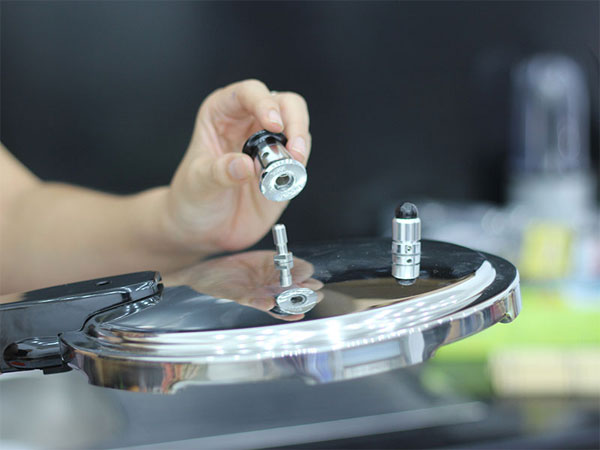
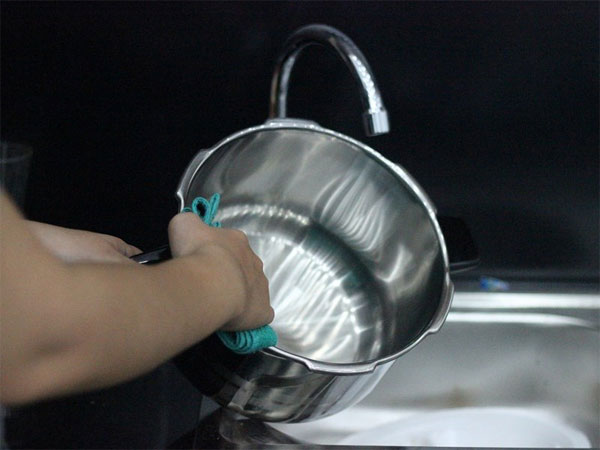
Step 6: Use a soft towel and dishwashing liquid to clean the pot and body of the pot to clean.
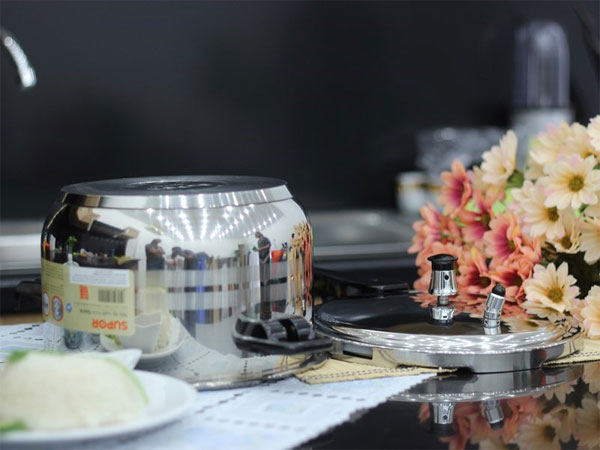
Step 7: After washing, put the pressure cooker up and drain in a dry place, avoid temperature and high humidity.
Note when cleaning the pressure cooker
- Do not use iron pads to scrub the pressure cooker because it is easy to scratch the product, lose the beauty.
- Do not use highly abrasive cleaners to clean the pot.
- Limit your work and work hard to prevent the pot from becoming distorted.
Hopefully, the following article will help you clean the ultra-clean mechanical pressure cooker to ensure durability, avoid leaving unpleasant odors remaining from the previous cooking to prepare delicious and taste food..
FAQ
What is the main benefit of clean the clean and clean pressure cooker after 7 steps?
The main benefit is a clearer understanding of the topic and a practical way to apply the information covered in this guide.
What should I check before using clean the clean and clean pressure cooker after 7 steps?
Confirm compatibility, review the required settings, protect important data, and use the latest supported version whenever possible.
What should I do if the result is different?
Repeat the steps carefully, verify permissions and version differences, and consult the product's official support documentation for changes not shown in the article.
Related Articles
 What Is a Pressure Cooker? Which Model Pressure Cooker Should You8 minutes read
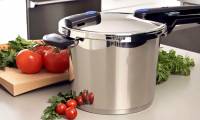 Experience Choosing to Buy a Pressure Cooker for Use in Induction5 minutes read
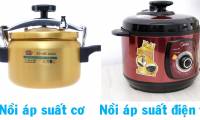 Which Type of Pressure Cooker, Electronic Pressure Cooker Should Be6 minutes read
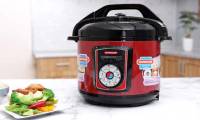 How to Use Electric Pressure Cooker to Ensure Safety for the6 minutes read
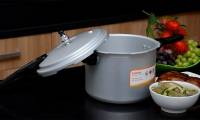 How Does Food Cooked with Mechanical Pressure Cookers Take Time4 minutes read
 Should Buy the Best Multi-purpose Pressure Cooker?8 minutes read
Reader Comments 0
Sign in with email or Google to join the discussion.