Table of Contents
Book summaries can help you preview a title, revisit its main ideas, or decide what to read in full. They save reading time by leaving material out, so they cannot guarantee that you learn more than you would from the book itself. Choose a service by format, coverage, and the quality of a sample you can check.
1. Littler Books: concise written summaries
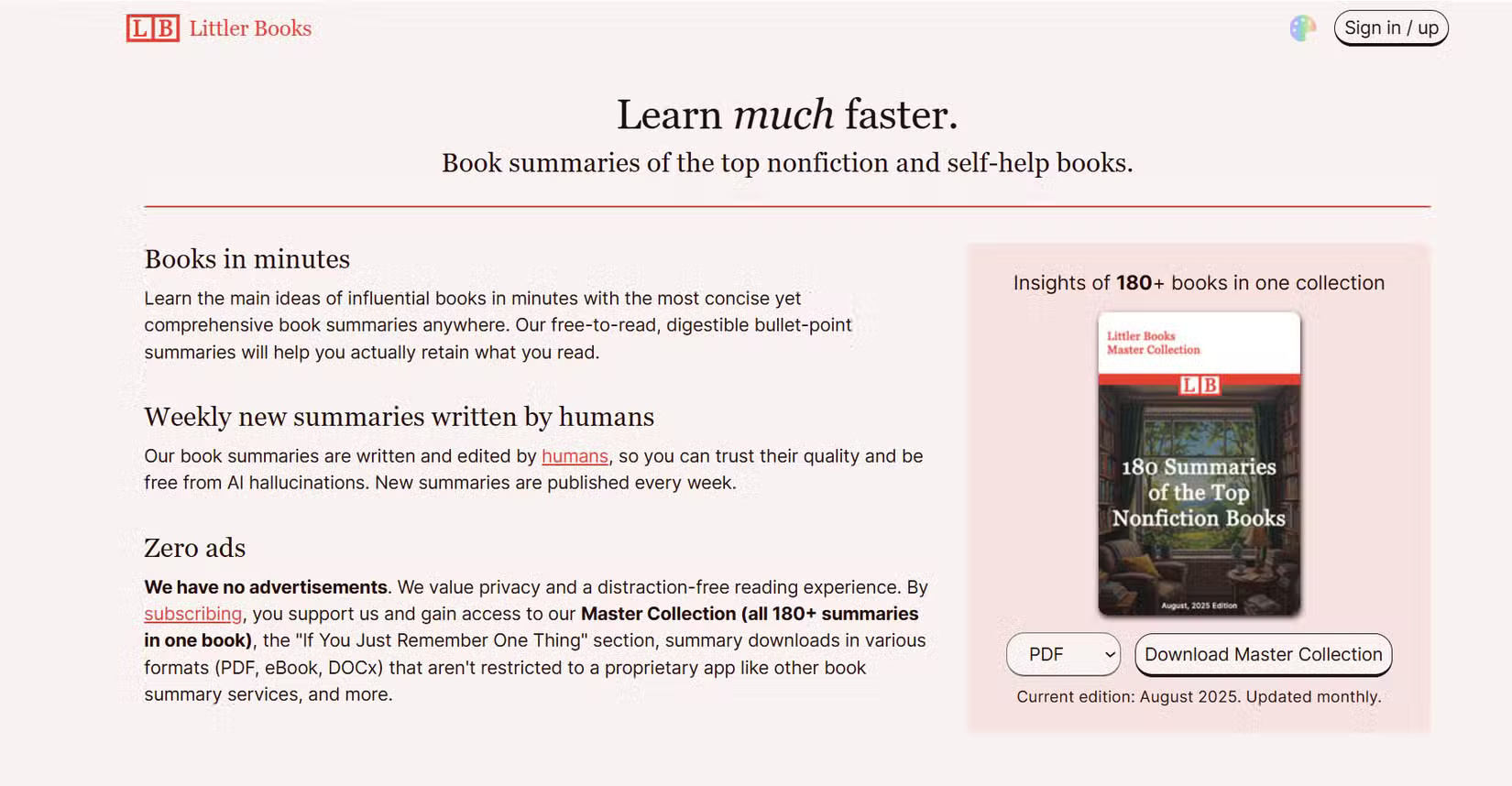
Littler Books offers digestible nonfiction summaries, often in bullet-point form. It suits readers who prefer scanning a page to listening. Check whether the particular title you want is covered and which downloads require a subscription; a library count from an older review will change over time.
2. StoryShots: multiple learning formats
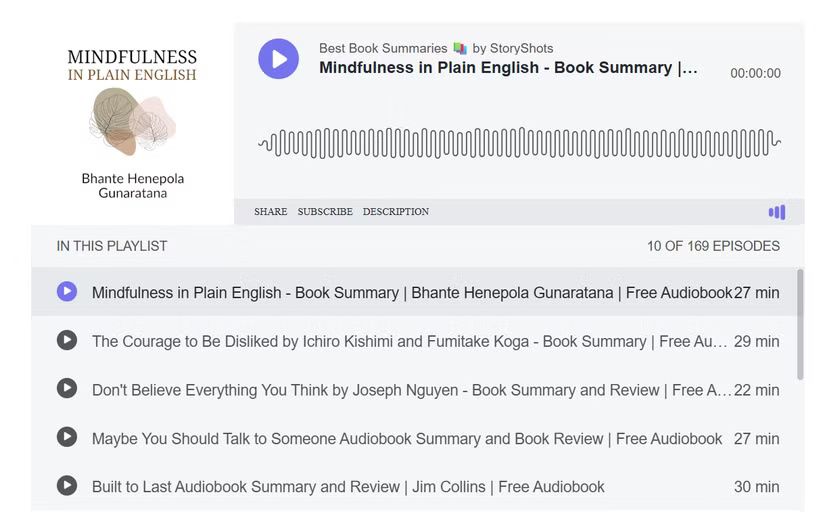
StoryShots presents summaries in formats including text, audio, and animated material. It is worth sampling if you switch between reading and listening. Check what is included for each book rather than assuming every title has the same diagrams, depth, or export options.
3. Idea and Digest: curated reading
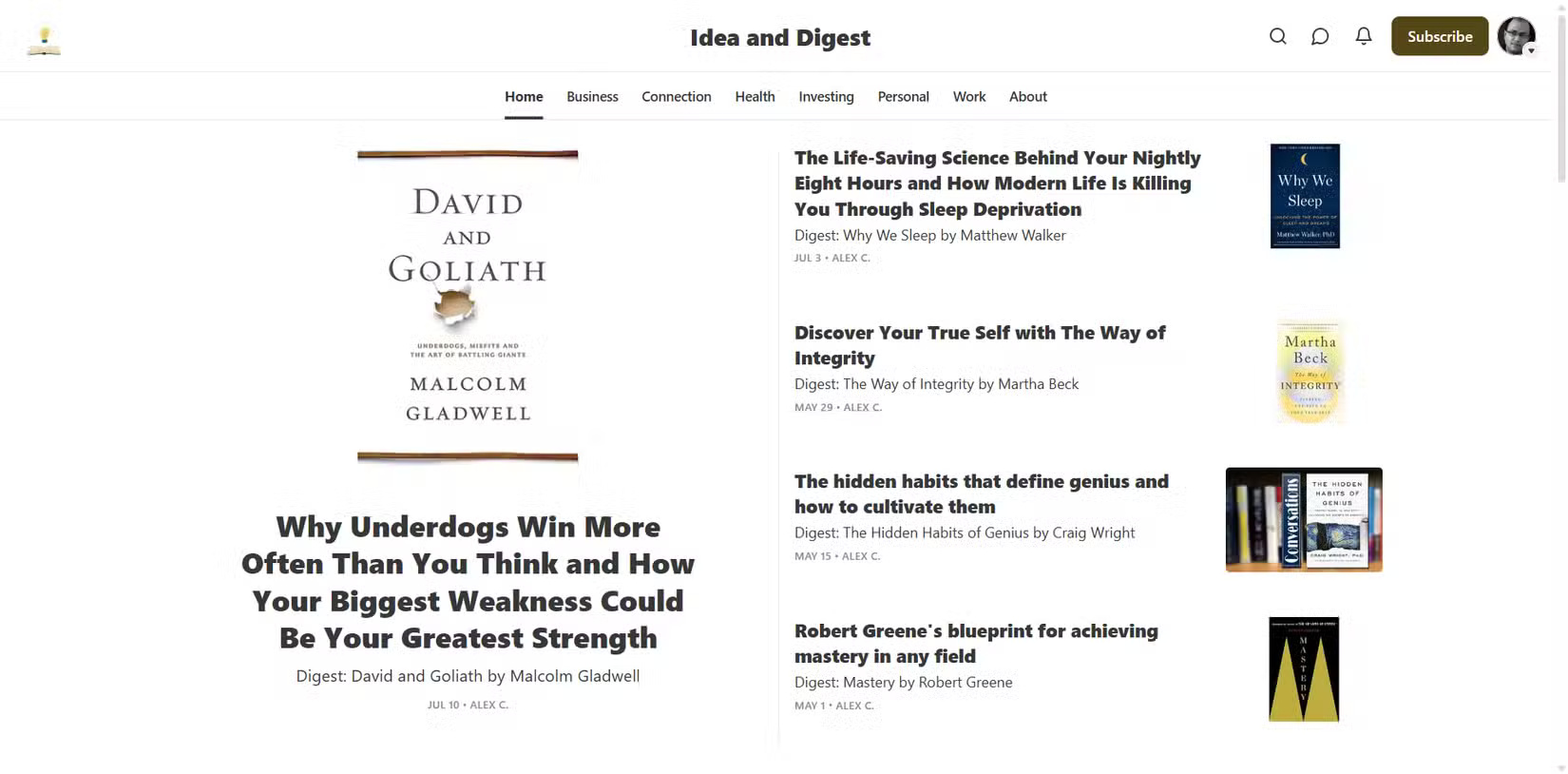
Idea and Digest is a publication rather than simply a standalone summary app. Its book-focused material can suit readers who prefer a curated selection. Browse recent issues before subscribing so you can judge topic fit and frequency from current examples.
4. Best Book Bits: business and self-development
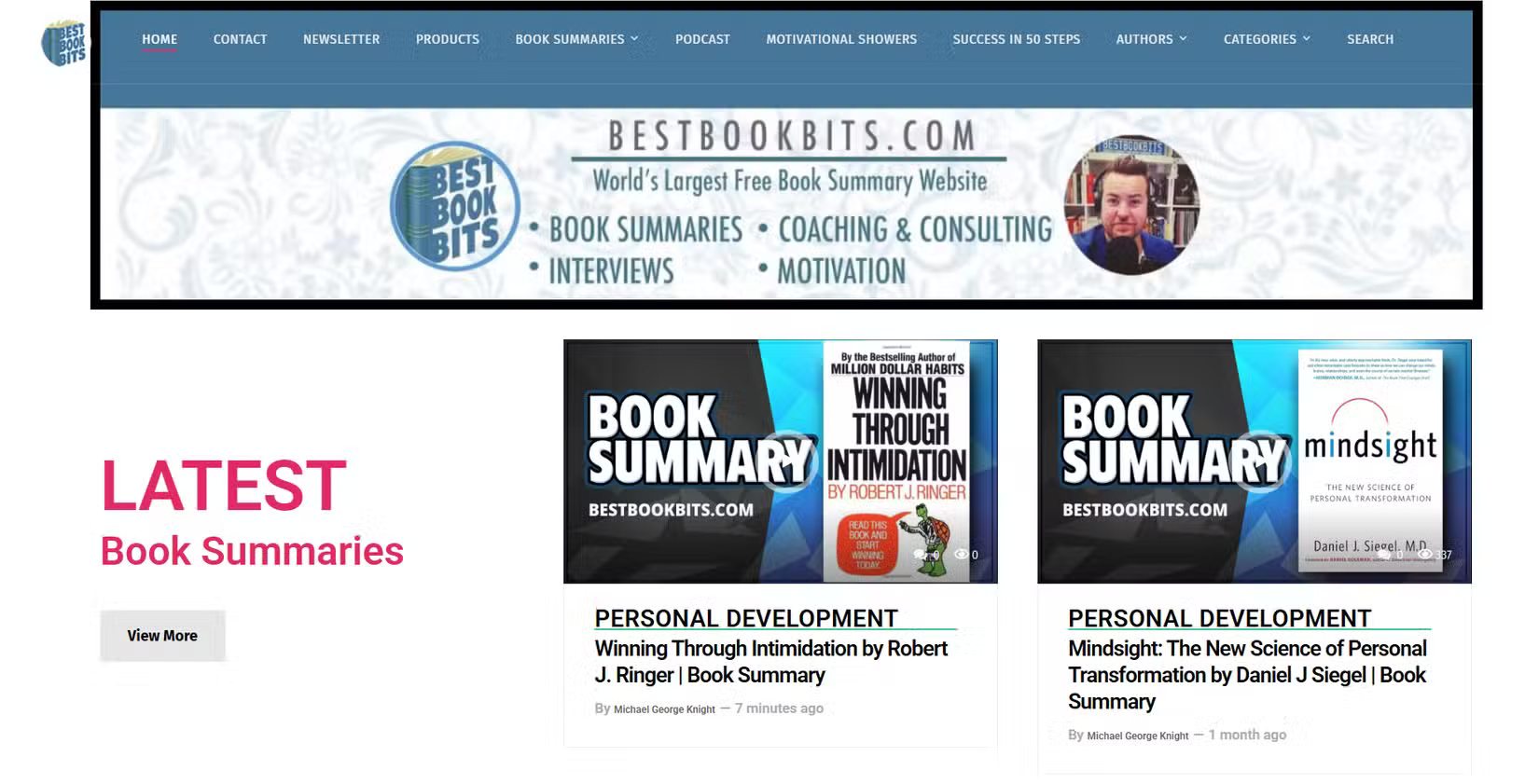
Best Book Bits focuses on book ideas in written, audio, and video formats. It may suit readers exploring business or self-development topics. Start with a book you already know and compare the summary’s main points with the original; the amount of content is less useful than whether its selection is faithful and clearly explained.
5. SoBrief: searchable summaries and audio
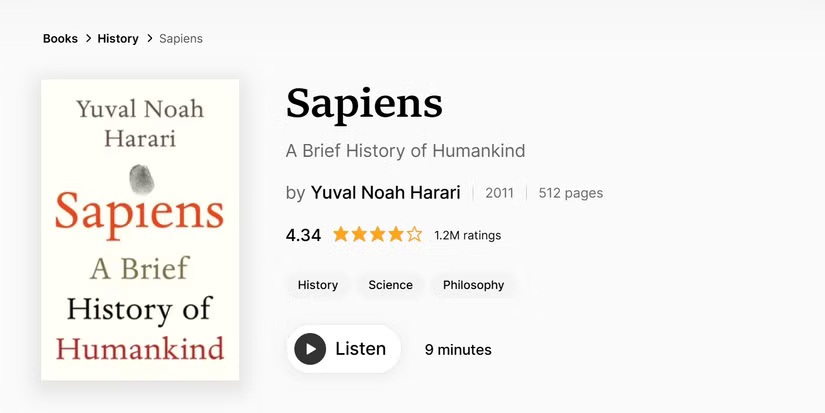
SoBrief combines a broad summary catalog with audio and download options. Check the current plan page for access limits and supported formats. Do not assume a past free allowance or catalog count is still accurate.
6. Deepstash: individual idea cards
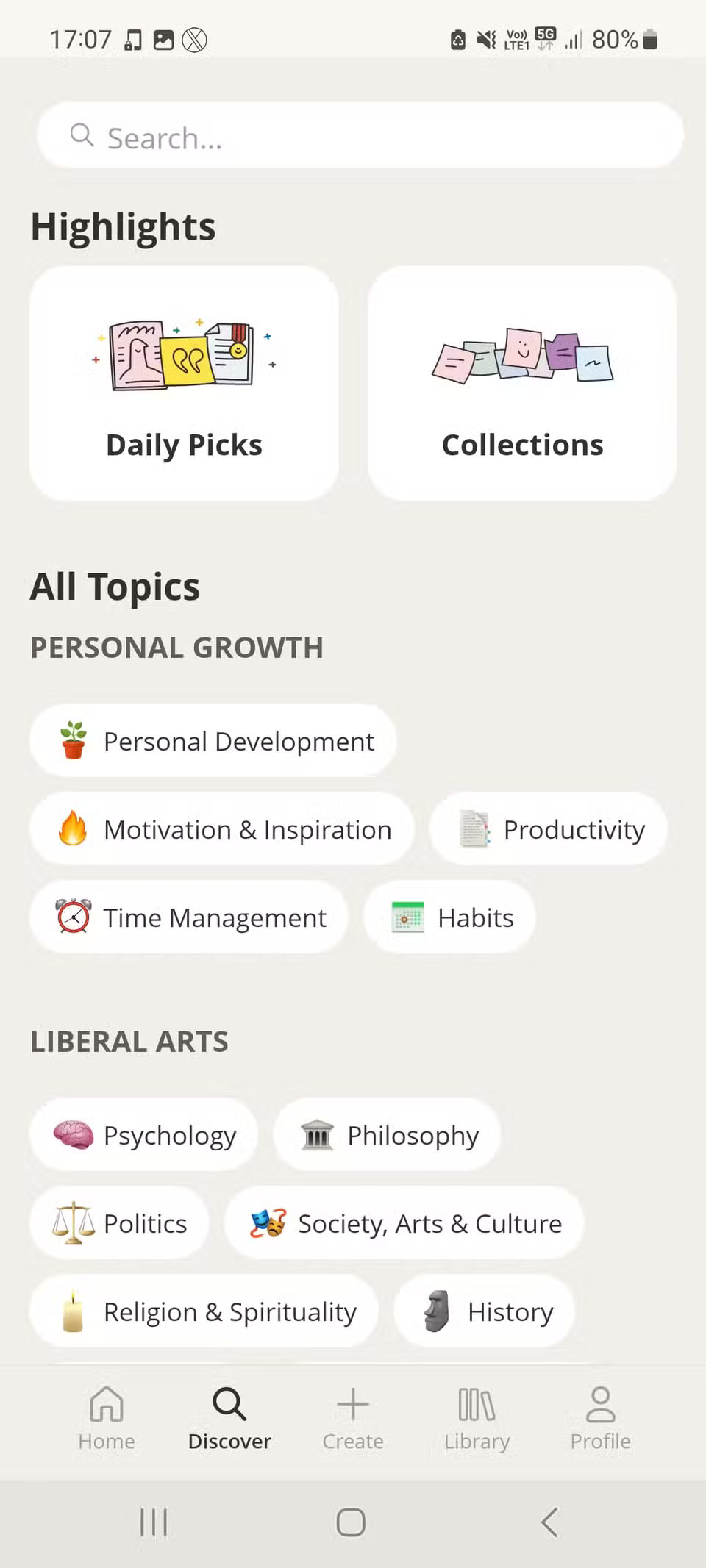
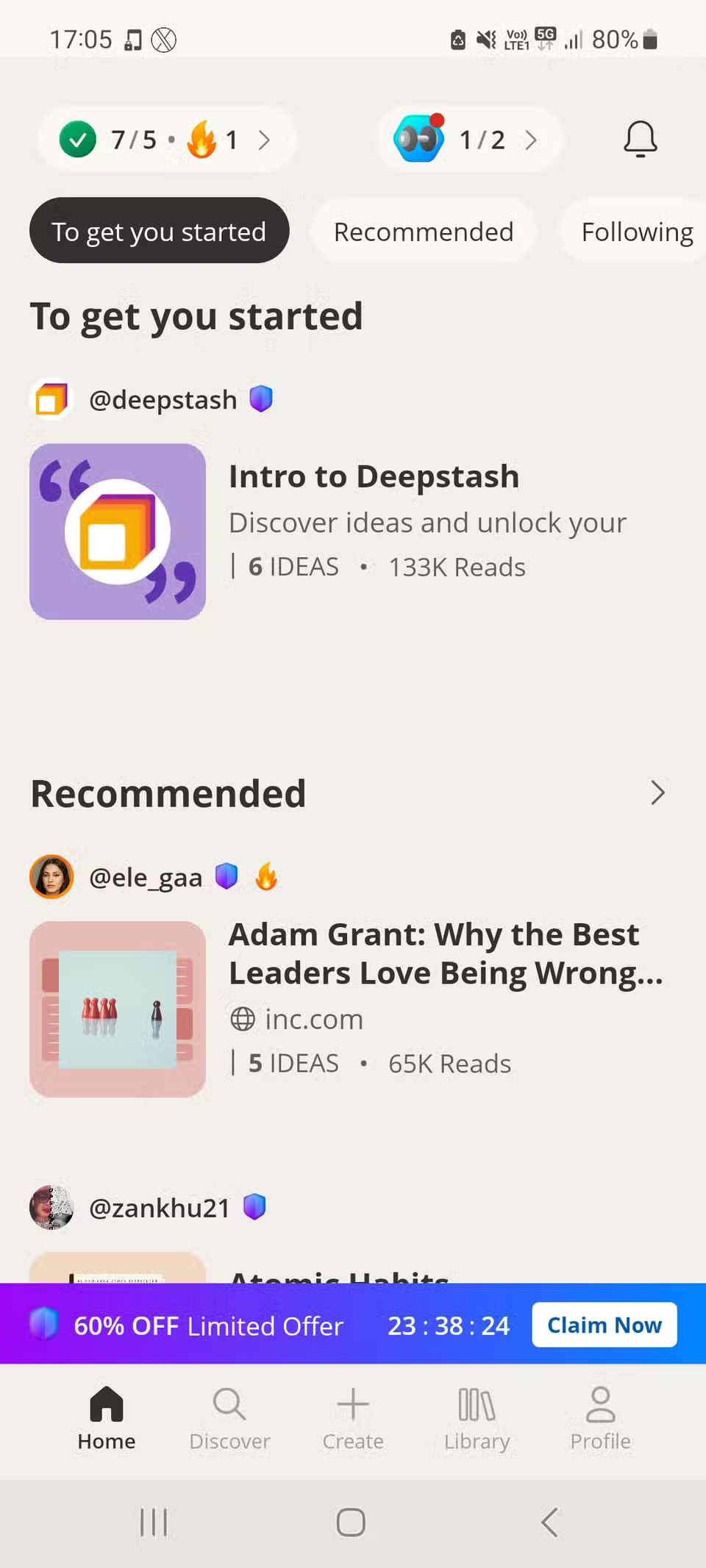
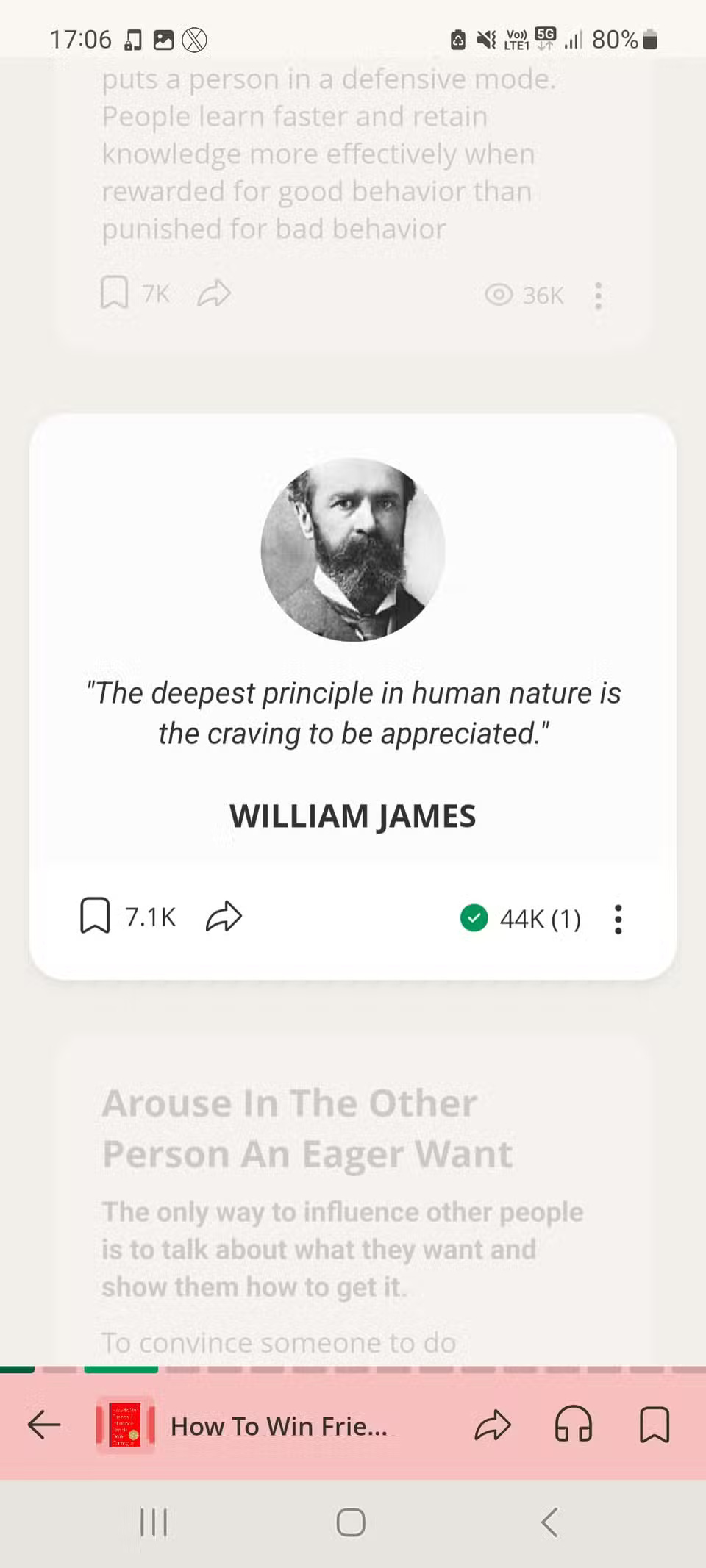
Deepstash organizes material around short ideas rather than only complete book overviews. Saving individual cards can be convenient for revisiting a point. The tradeoff is lost context: check which source an idea comes from and whether it represents the author’s argument or a contributor’s interpretation.
7. BeFreed: AI-assisted book learning
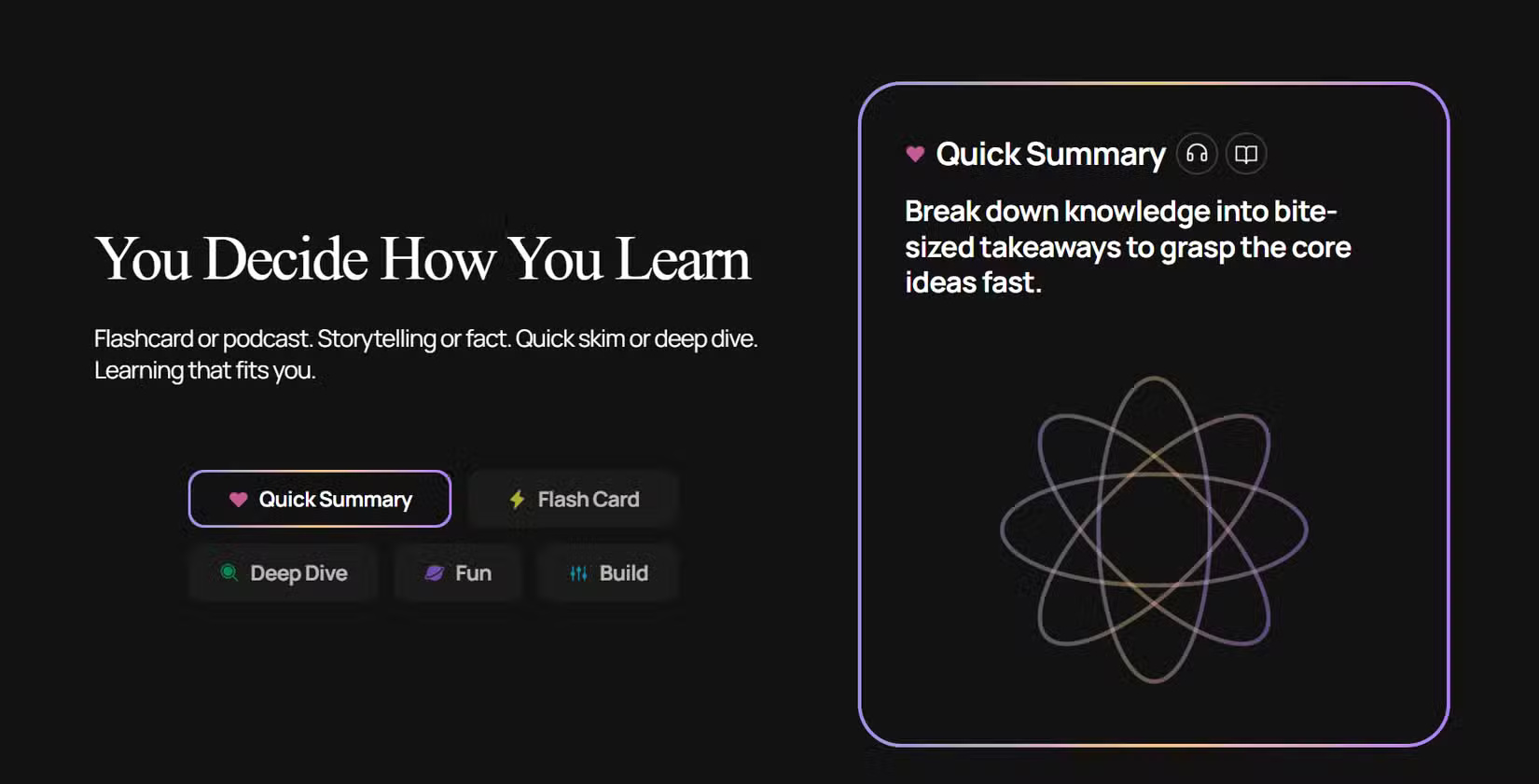
BeFreed offers condensed book-learning formats. AI assistance does not establish accuracy by itself. Verify surprising claims, quotations, and research references in the original before repeating them, and check current access limits before paying.
8. Four Minute Books: a short lesson-based approach
Four Minute Books uses a compact format built around selected lessons. Its official links page points to the catalog and newsletter. Short summaries are useful as an introduction, but should not be mistaken for chapter-by-chapter coverage. Paid bundles and downloadable formats may have separate terms.
How to choose without collecting more unread material
- Pick one familiar nonfiction book and compare two sample summaries.
- Check whether the key argument, caveats, and examples survive the condensation.
- Choose the format you will actually use, including offline access if needed.
- Read the current price, renewal, cancellation, and download terms.
- After each summary, write one point in your own words and note what requires checking in the book.
Use summaries to support reading and recall, rather than as a guarantee that a complex subject can be mastered in a few minutes.





Reader Comments 0
Sign in with email or Google to join the discussion.