Table of Contents
Explore things you shouldn't do during flu season, including the key concepts, practical examples, important considerations, and useful guidance.

You underestimate the flu
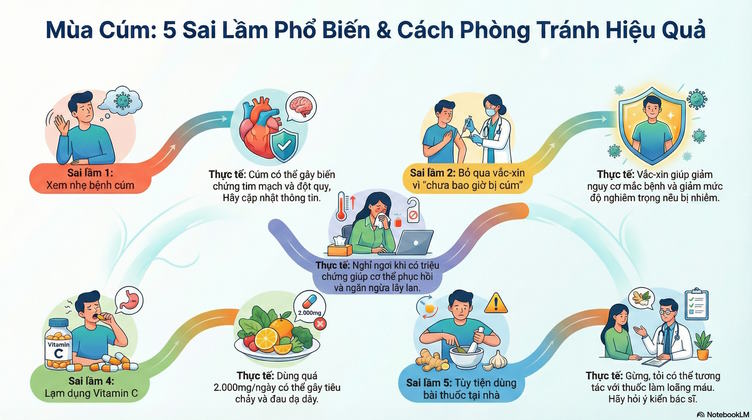
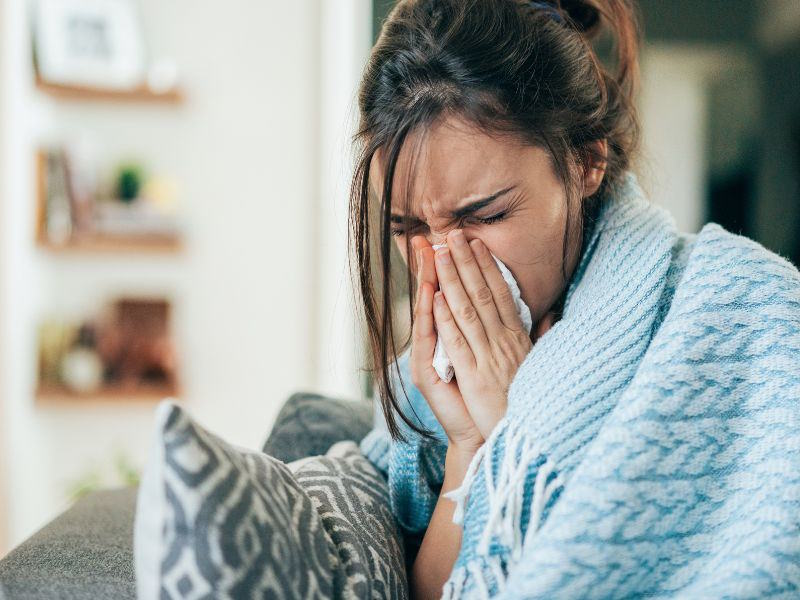
The biggest mistake is that people are underestimating the severity of the flu. This leads to a 'chain reaction' that causes them to make most of the other mistakes on this list.
The fact is, people should fear the flu, because it can be a life-threatening illness. It's not just COVID that can cause prolonged illness – people can also experience prolonged flu. A small number of people, for whatever reason, will suffer from prolonged illness after contracting the flu, in which they will experience memory loss, extreme fatigue, and muscle aches for weeks.
Instead, what should you do? Knowledge is power. Follow reliable sources of information and be aware that the flu can lead to other health complications. Few people realize that the rates of heart attacks and strokes are much higher after contracting the flu. In fact, the flu increases the risk of heart attack fourfold after infection; and COVID increases the risk of both events threefold after infection, according to a recent scientific review in the Journal of the American Heart Association.
You think you don't need a flu vaccine because you've never had the flu
Many people think that the flu vaccine prevents them from getting the flu. In reality, it reduces your chances of getting the flu, as well as reducing the severity of the illness. In other words, if you've been vaccinated and you still get the flu, you can be fairly certain that everything will be fine unless you are elderly, have a severely compromised immune system, or are very seriously ill.
Instead, what should you do? For optimal protection, the ideal time to get a flu vaccine is in November or December, before flu activity peaks, usually in January or February. If you have concerns about the risks of the vaccine, consult your doctor.
You think you can "overcome" a cold or the flu
When we feel our bodies weakening – a sore throat, a stuffy nose – many of us tend to deny it for a while. But specialists say that as soon as you experience symptoms of the flu or a cold, it's best to rest so your body can fight it off. It's not without reason that staying home also protects others at a time when you're most contagious.
What to do instead: Take sick leave if possible — and don't feel bad about it. But even if you have to go to the office, you can still choose not to participate in other activities.
You are overusing vitamin C
Vitamin C may actually help shorten the duration of a cold. A 2023 meta-analysis in BMC Public Health found that vitamin C had a "significant benefit" on the duration of severe cold symptoms. However, medical professionals point out that too much vitamin C can also be harmful: Vitamin C can cause diarrhea and stomach upset if taken in excessive doses.
What can you do instead? You can supplement vitamin C through foods like oranges, cabbage, broccoli, and tomatoes, as well as in vitamin C powders. However, don't overdo it. Adults should not consume more than 2,000 milligrams (mg) of vitamin C per day.
You may not consider that home remedies can interact with certain medications
Doctors generally agree that home remedies like ginger tea, purple chrysanthemum tea, and perilla leaf porridge are most likely " harmless and possibly helpful "—unless you're taking certain medications that may interact with these herbs and supplements.
For example, ginger can interact with blood thinners and some pain medications, and garlic can also increase the effects of blood thinners.
What should you do? Make sure you check with your doctor or find out about any drug interactions or side effects before trying any home remedies.
Final Thoughts
Understanding things you shouldn't do during flu season makes it easier to evaluate the information and apply the most relevant recommendations. Focus on the key points above and verify details that may change over time.
FAQ
What is things you shouldn't do during flu season?
Explore things you shouldn't do during flu season, including the key concepts, practical examples, important considerations, and useful guidance.
What key points does this article cover?
The article focuses on You underestimate the flu, You think you don't need a flu vaccine because you've never had the flu, You think you can "overcome" a cold or the flu, with practical explanations and examples.
How can you use this information in practice?
Use the explanations to compare options, verify important details, and make a more informed decision. Apply the recommendations that best match your goals and situation.
Related Articles
 All Updates of DTCL Season 15: Hero War8 minutes read
 How to Map Irelia Season 8 League of Legends5 minutes read
 KaiSa TFT Season 11: Item Builds, How to Build, and Team Composition Guides4 minutes read
 One Punch Man Season 3: What's Impressive About Saitama's Return: Explained3 minutes read
 Map Karakin Map Information and Season 6 Pubg Updates6 minutes read
 Dtcl Gold Season 3: New Equipment Dtcl Season 3 and Transplant4 minutes read
Reader Comments 0
Sign in with email or Google to join the discussion.