Table of Contents
Explore removing the 3.5mm jack is making things worse, including the key concepts, practical examples, important considerations, and useful guidance.
Although reluctant to accept the verdict, deep down, many people knew something was wrong. Many people use completely wireless technology and hate cables, but audio is something they still want the option of a wired connection for. These days, for those who still use wired headphones whenever possible, life without a 3.5mm audio jack is getting worse.
Missing a port leads to a host of daily inconveniences
When a 'simpler' design creates more problems
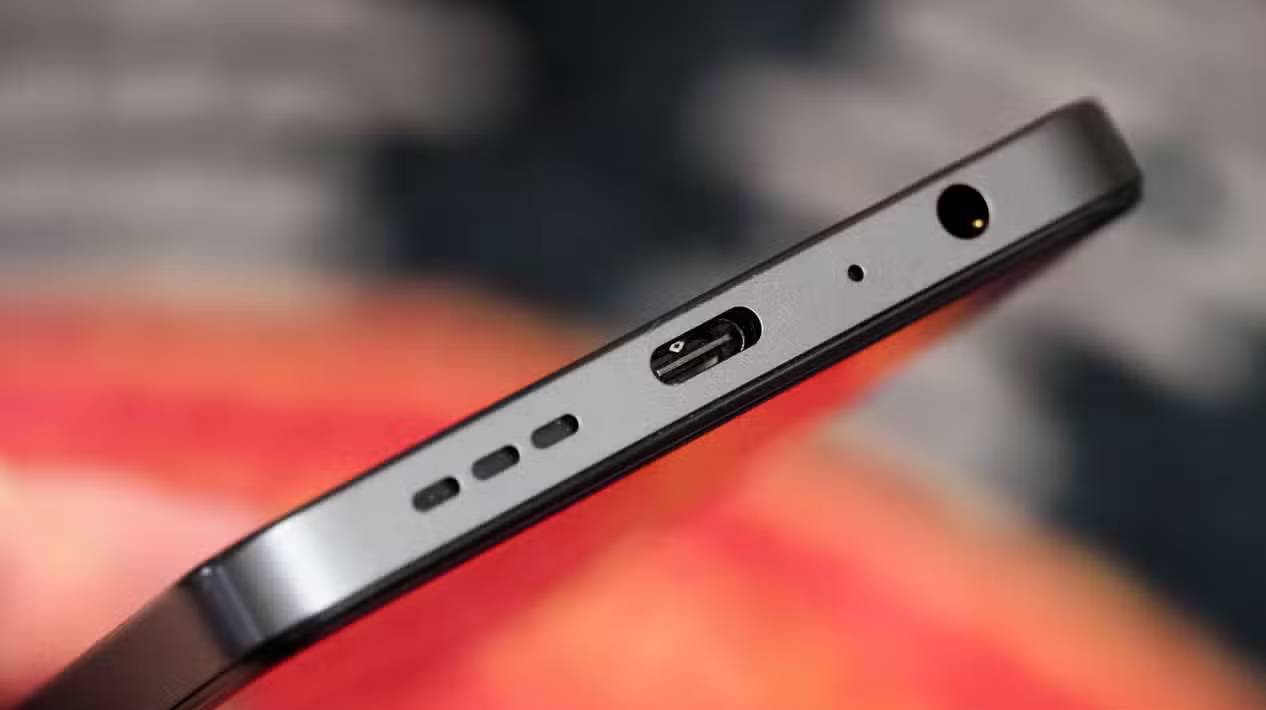
Many people always carry wired earbuds as a backup. The Sony WH CN720N earbuds are great, but they are wireless and the battery can run out when you don't have a power source. Wired earbuds are more reliable.
But to use earbuds with the Pixel 9a, you need an adapter. Not just any adapter, but a USB-C to 3.5mm converter, which takes up the phone's only USB-C port. So users can only listen to music or charge their phone.
This is the real problem with the post-jack world: doing two things at once has become ridiculously complicated.
The humble 3.5mm jack was never the enemy. It no longer takes up much space in flagships – technology solved that problem years ago. What the jack offered was simplicity. Just plug it in and listen. No batteries, no pairing, no hassle. However, we traded that for a solution that created entirely new problems.
The dongles are still very troublesome
Fragile, unstable, and easily lost
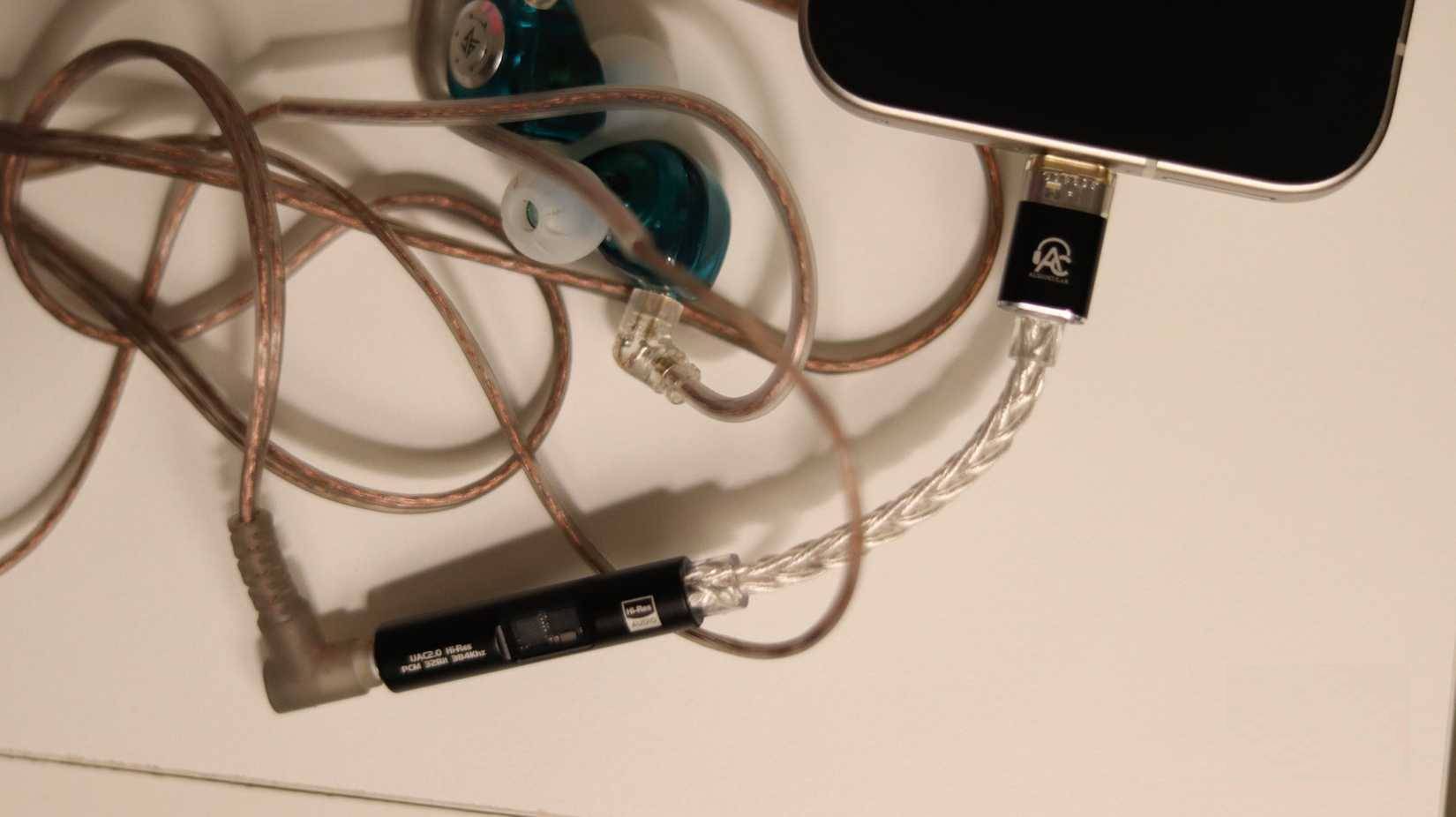
Adapters are available for every situation. You'll find many USB-C adapters that support both audio and charging simultaneously. However, they rarely perform as well as advertised and often involve trade-offs.
Let's consider the basic physics of the problem. Every modern smartphone has a USB-C port. This port currently performs three functions: charging the device, transferring data, and outputting audio. But it can only do one thing well at a time.
Want to listen to music with wired headphones while charging? You'll need a 2-in-1 adapter that combines both functions. It sounds simple, but in reality, these adapters are unreliable nightmares.
Sound loss, reduced power, static, and degraded sound quality are the most common problems you'll encounter. Some adapters work with certain types of headphones, others don't. Manufacturers implement USB-C in different ways, so compatibility is a gamble – you might find that an expensive adapter you bought works perfectly with Sony headphones but not with Audio-Technica headphones.
Wireless audio is a compromise, not an upgrade
Lag, data compression, battery concerns
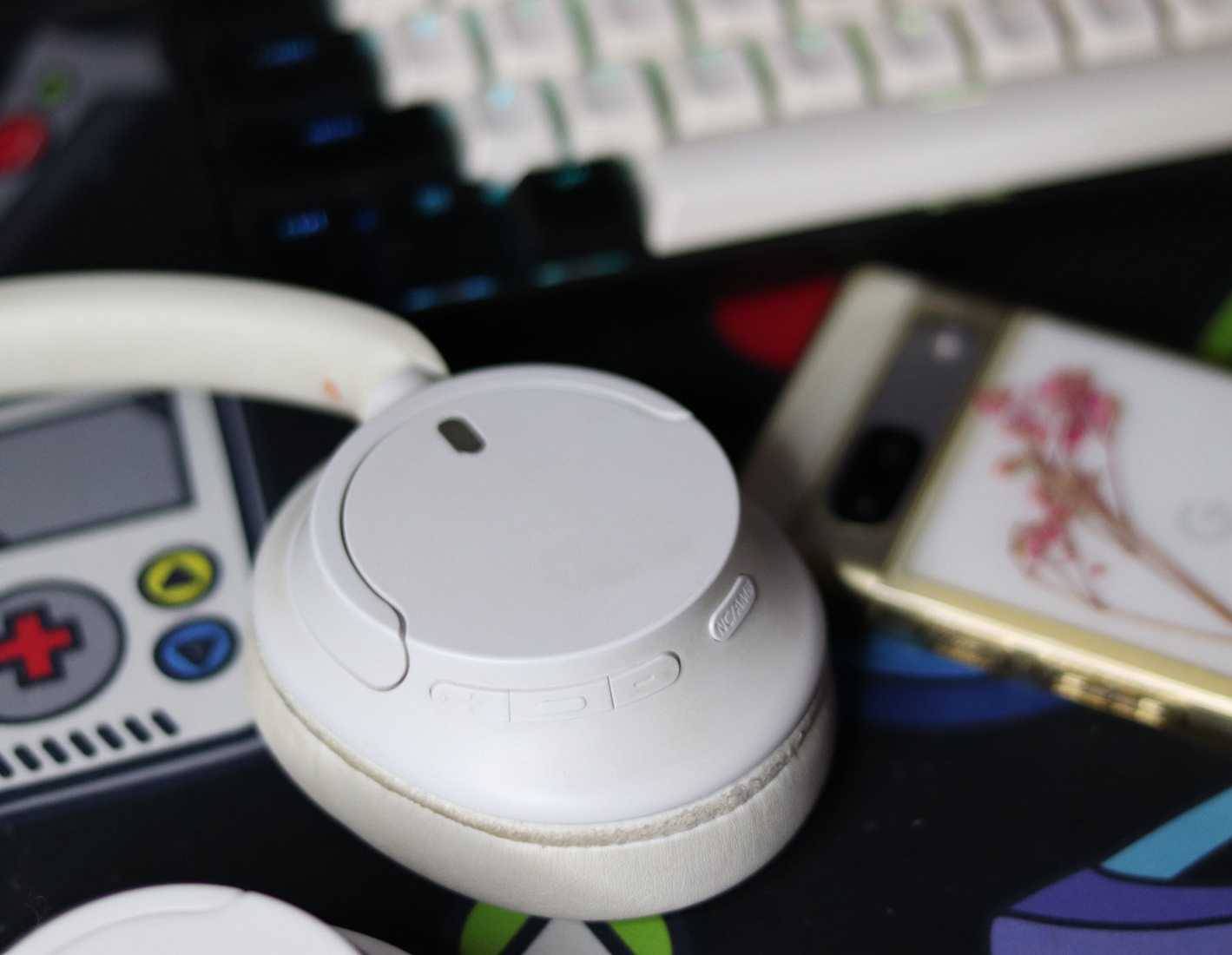
Meanwhile, Bluetooth headphones —the solution we should be embracing—have their own problems. They need batteries, and batteries degrade over time. They lose connection in crowded airports. They suffer from codec compression, which reduces sound quality compared to a direct wired connection. Sure, you can improve the sound of Bluetooth headphones with audio apps, but that adds complexity and yet another app you need.
Wireless transmission compresses audio data, and no amount of marketing rhetoric can change that fundamental fact. Battery drain from constant Bluetooth connection is so severe that headphones often fail to deliver the advertised battery life.
And then there's the problem of losing them. Wireless headphones are compact, expensive, and often misplaced in hotel rooms, taxis, and airplane seat pockets. With wired headphones, the most you lose is the cable, and good wired headphones usually come with replaceable cables.
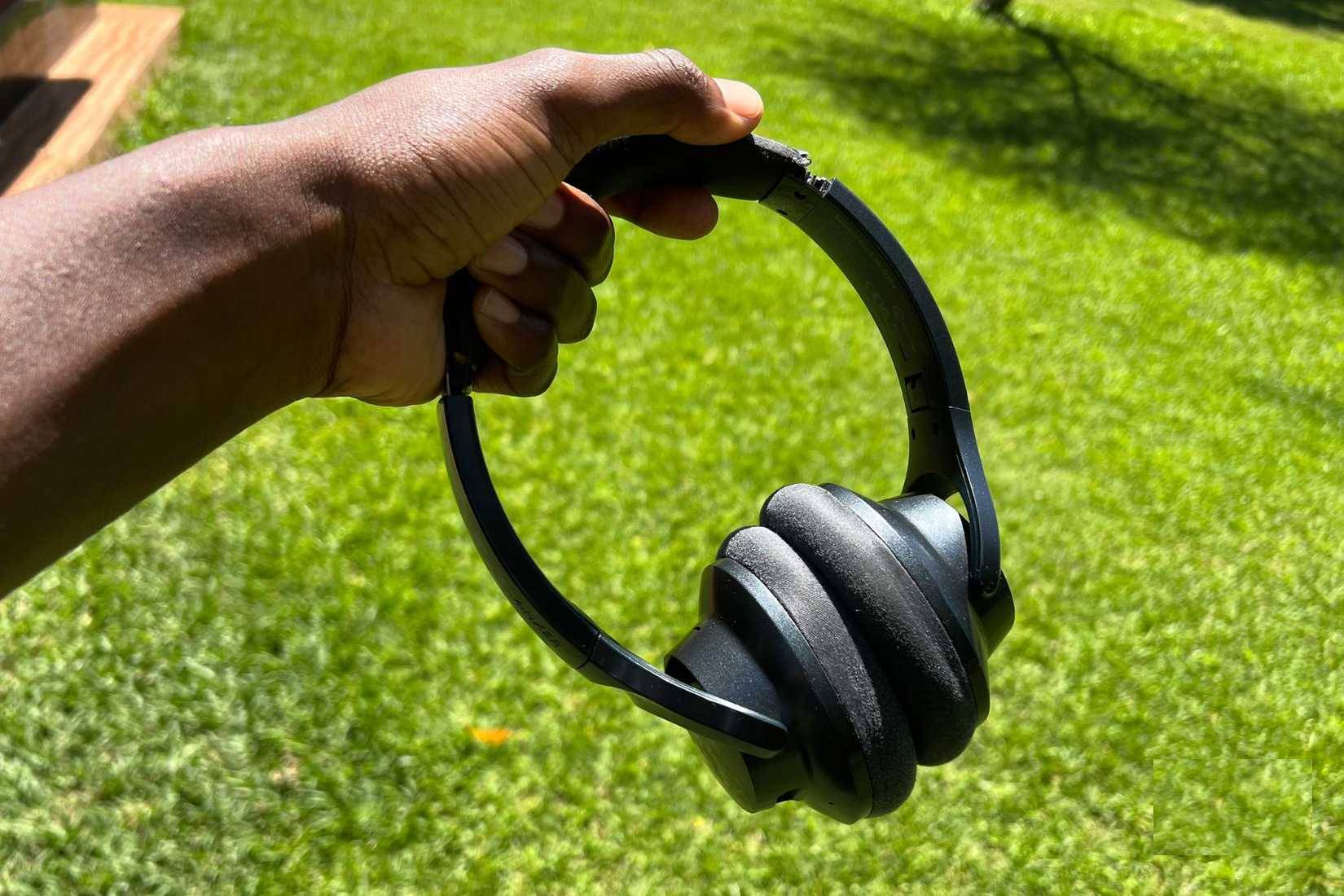
Of course, there are good Bluetooth headphones or earbuds available. Apple, Google, Bose, Sony, and Sennheiser are all examples of companies that have released some excellent wireless audio solutions, and many of these brands are used daily.
But the price you pay for convenience, sound quality, and battery life is quite high, and you can have a much better experience with wired audio. Except that it's currently extremely inconvenient because there's no dedicated audio port on your phone. And your expensive wireless headphones will still sound worse on Windows.
The smartphone industry has justified removing the headphone jack by claiming it saves space for a larger battery and better water resistance. Some companies have delivered on that promise, while others have simply used it for marketing purposes and wasted the extra space.
However, the removal of the headphone jack has created a new market. Manufacturers can now sell expensive wireless headphones as an essential accessory. Every flagship product launch now comes with a premium headphone version.
Why is the 3.5mm jack still important?
Popular, reliable, and never goes out of style
We've abandoned a common standard that worked well for everyone in exchange for a fragmented ecosystem that hardly works well for anyone. The market is gradually realizing what we've lost, and some phones occasionally still include a 3.5mm jack. But we've accepted the problems that come with Bluetooth and are temporarily switching to Bluetooth.
The 3.5mm jack isn't perfect, but it's honest. It doesn't demand anything from you other than plug it in and listen. That simplicity is worth remembering – especially when you're on a long road trip, tired after a day of driving, clutching an expensive wired headset that you can't use, because the future turns out to be far more complicated than everyone promised.
Final Thoughts
Understanding removing the 3.5mm jack is making things worse makes it easier to evaluate the information and apply the most relevant recommendations. Focus on the key points above and verify details that may change over time.
FAQ
What is removing the 3.5mm jack is making things worse?
Explore removing the 3.5mm jack is making things worse, including the key concepts, practical examples, important considerations, and useful guidance.
What key points does this article cover?
The article focuses on Missing a port leads to a host of daily inconveniences, When a 'simpler' design creates more problems, The dongles are still very troublesome, with practical explanations and examples.
How can you use this information in practice?
Use the explanations to compare options, verify important details, and make a more informed decision. Apply the recommendations that best match your goals and situation.
Related Articles
 To Succeed, Learn the Talking Techniques Like Jack Ma8 minutes read
 Jack Ma: 'Don't Do Things Like AlphaGo'5 minutes read
 Fascinated Watching the Gap of Billionaire Jack Ma5 minutes read
 All Things About Jack Ma - Billionaire Admires the Whole World5 minutes read
 Interesting Things You May Not Know at Billionaire Jack Dorsey8 minutes read
 Jack Ma's 15 'Expensive' Sales Principles for Business People3 minutes read
Reader Comments 0
Sign in with email or Google to join the discussion.