Table of Contents
A University of Queensland study found that black mamba venom uses a dual mechanism of attack on nerves, explaining why antivenom is often ineffective.
A University of Queensland study found that Black mamba venom uses a dual mechanism of attack on nerves, explaining why antivenom is often ineffective.
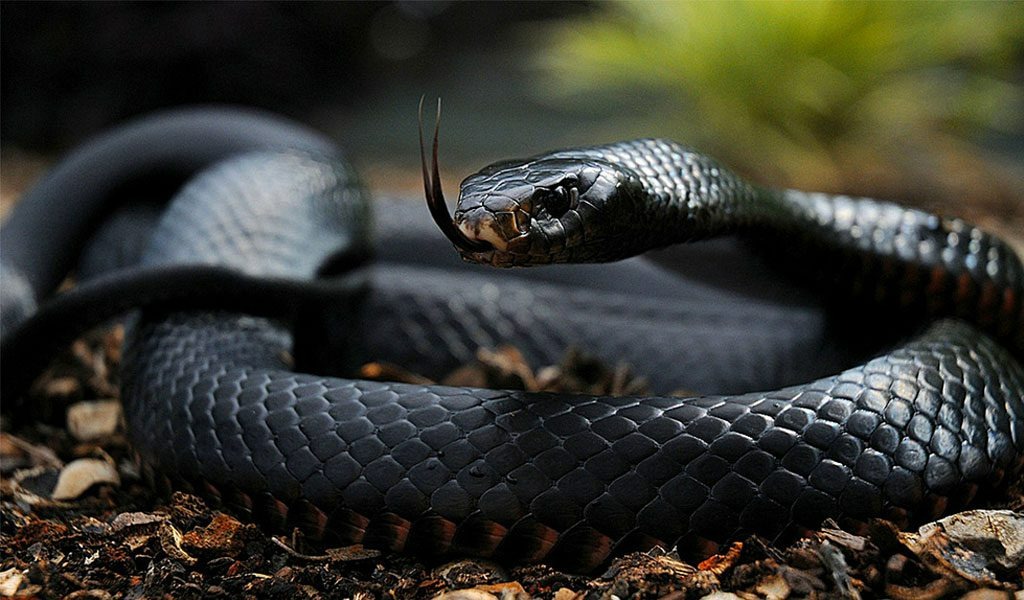
By studying the venom of three mamba species, results have uncovered a coordinated neurological attack that initially responds to treatment but then overwhelms the body, leaving the victim with severe, uncontrollable muscle spasms.
The discovery not only explains a long-standing clinical mystery, but also exposes urgent gaps in medical care for snakebite victims in sub-Saharan Africa, where mamba bites are responsible for tens of thousands of deaths each year.
Groundbreaking research from the University of Queensland (UQ) has uncovered the complex venom mechanisms of three mamba species—the black mamba, the western green mamba, and the Jameson mamba—published in the journal Toxins. The research explains why mamba bite victims often experience late complications, such as spastic paralysis, even after recovery with antivenom treatment.
The complex venom mechanism of the mamba snake
The black mamba, along with the western green mamba and Jameson's mamba, deliver venom using an incredibly complex mechanism that demonstrates incredible biochemical diversity. Unlike most other snakes, these species do not rely on a single toxin. Instead, they employ a dual neurotoxic attack at two separate points in the nervous system, targeting both pre- and postsynaptic receptors simultaneously with precisely designed neurotoxins that interfere with signal transmission, muscle control, and respiratory function. This multifaceted venom strategy increases lethality, overwhelms prey defenses, and highlights the evolutionary sophistication of mambas in developing such advanced biochemical weapons for both predation and self-defense.
This dual mechanism of action of the venom makes treatment much more complex and challenges the efficacy of the current generation of antivenoms, requiring continued research to develop more comprehensive therapies.
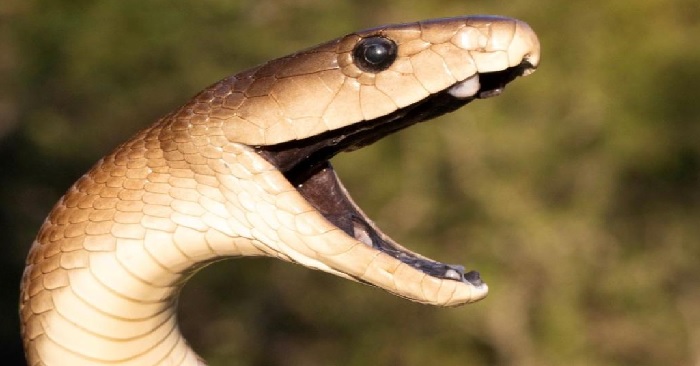
How does black mamba venom cause paralysis and convulsions?
The study, published in the journal Toxins, explains a disturbing pattern that has baffled doctors for decades. Victims of black mamba bites often show signs of recovery early on after receiving antivenom. They may regain muscle tone and appear stable, but soon after, they begin to experience painful, uncontrollable spasms.
This phenomenon is due to the way the venom interacts with the nervous system:
- Stage 1: Flaccid paralysis – Three of the four mamba species cause flaccid paralysis due to postsynaptic neurotoxicity. Current antivenoms can counteract this effect.
- Stage 2: Spastic Paralysis – After the antivenom is injected, the second effect of the venom begins. It attacks another part of the nervous system, causing spastic paralysis through pre-synaptic toxicity.
The result is a sequential onset of symptoms—first paralysis, then spasms—which explains why many patients worsen after initial improvement from antivenom injections.
How does black mamba venom cause congestion and muscle overstimulation?
Black mamba venom works by blocking nerve signals to the muscles, causing paralysis. However, when antivenom clears this blockage, another mechanism kicks in: the venom overstimulates the muscles, leading to forceful contractions and intense pain. This dual effect makes symptoms unpredictable and dangerous, requiring careful monitoring, intensive medical treatment, and prompt medical intervention.
This complexity makes the treatment of mamba bites a particular challenge compared to bites from other venomous snakes, emphasizing the need for careful care, expert knowledge, and immediate access to antivenom in all affected areas.
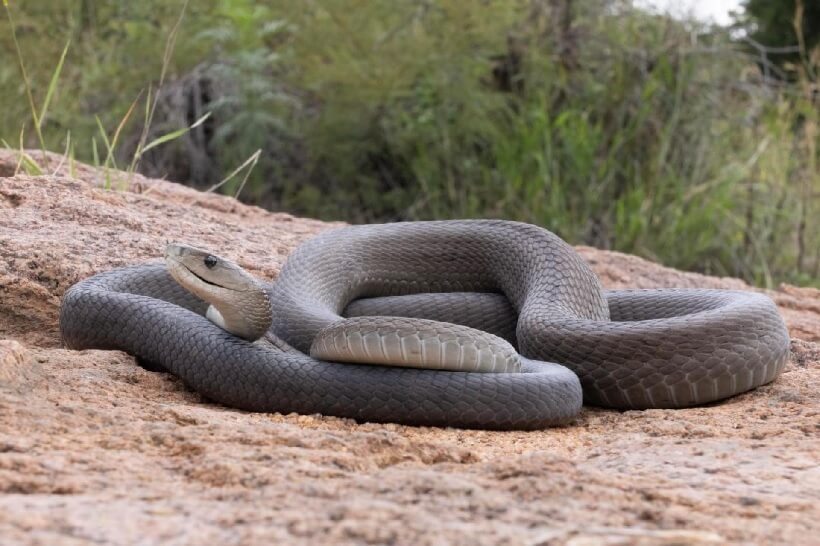
New research reveals spastic paralysis in many mamba species
For many years, it was believed that only the eastern green mamba could cause spastic paralysis. However, this groundbreaking study now demonstrates that three common mamba species share this dangerous ability. The finding resolves longstanding confusion about recurring complications in snakebite patients who initially respond well to antivenom but then suddenly deteriorate.
By showing that spastic paralysis is not a unique phenomenon but is common across different mamba species, the research fills an important gap in our understanding of the effects of venom and how to treat snakebites. Current antivenoms, while partially effective, are not specifically designed to neutralize the venom's complex dual mechanism of action, which includes both neurotoxins and cardiotoxins.
To improve survival rates, future antivenoms will need to:
- Addresses both postsynaptic and presynaptic toxicity.
- Tested for effectiveness on multiple mamba species.
- More widely available in rural African communities, where snakebite deaths are most common.
FAQ
What should you know about deadly secret of black mamba venom that 'defeats' antidote serum?
In practical terms, a University of Queensland study found that black mamba venom uses a dual mechanism of attack on nerves, explaining why antivenom is often ineffective.
Why does deadly secret of black mamba venom that 'defeats' antidote serum matter?
The article highlights that groundbreaking research from the University of Queensland (UQ) has uncovered the complex venom mechanisms of three mamba species—the black mamba, the western green mamba, and the Jameson mamba—published in the journal.
What is the main takeaway?
The main takeaway is that the complex venom mechanism of the mamba snake The black mamba, along with the western green mamba and Jameson's mamba, deliver venom using an incredibly complex mechanism that demonstrates incredible biochemical.
Related Articles
 Poisonous Snake: 9 Unique Snakes in the World5 minutes read
 Lizard Venom Can Bring Breakthroughs in Coagulation Treatment3 minutes read
 The Venom of These 5 Animals Is Like Precious Medicine in4 minutes read
 What Is VENOM Vulnerability? How Can You Protect Yourself?7 minutes read
 If You Suffer from the World's Most Poisonous Spider, How Will Your Body Be Destroyed?3 minutes read
 The Civet Jumps and Pulls the Poisonous Serpent Corpse on the Tree3 minutes read
Reader Comments 0
Sign in with email or Google to join the discussion.