Article on the subject of "running the command in c"
-

Strncat () function in C
char * strncat (char * dest, const char * src, size_t n) append (string), pointed to by src, at the end of the string pointed to by dest, with a length of up to n characters.
-
The strncpy () function in C
strncpy char * (char * dest, const char * src, size_t n) copies up to n copies to n characters from the string pointed to by src to dest. in case the length of the src is smaller than n, the remainder or the remainder of dest will be filled with null values.
-
The strcspn () function in C
the function size_t strcspn (const char * str1, const char * str2) calculates the length of the character segment of string str1 without containing the characters in str2.
-
Instructions for using pstree command on Linux
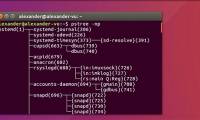
pstree is a powerful and useful command to display processes running in linux. like the ps command, it shows all the processes that are currently active on your login system. the main difference is that when running the pstree command, processes are organized into tree sorting instead of lists
-
Use the Top command to see the processes running in Linux
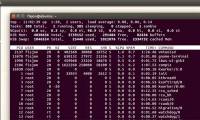
the top command in linux is used to display all processes running in the linux environment. this tutorial shows you how to use the top command through explaining the various parameters available and the content they display.
-
Command at in Windows
the at command schedules commands and programs to run on a computer at a specified time with a specific date. you can only use the command at when schedule service is running.
-
11 uses of ps command in Linux
for system administrators, ps is a frequently used tool. the ps command is used to list the processes currently running on the system, with many available filtering and display modes via flags and arguments.
-
Finger command in Windows
the finger command displays information about the user or user on the specified remote computer (usually a unix computer) running the finger service or daemon.
-
Del command in Windows
the del command deletes one or more files. this command is the same as the eraser command.
-
The autoconv command in Windows
the autoconv command converts file allocation tables - fat and fat32 volume to ntfs file system, leaving existing files and folders intact at startup, after running autochk.
-
How to use the Net Use command in Windows
the `net use` command is a command prompt command used to connect to, remove, and configure connections to shared resources, such as mapped drives and network printers.
-
How to use the command history function in Command Prompt
command prompt is an extremely familiar command for anyone using windows operating system. besides, a lot of current software also supports the command line to perform actions on the command prompt window, instead of on the screen.
-
Set command in Windows
the set command helps show, set or remove cmd.exe environment variables.
-
Diskperf command in Windows
the diskperf command is included in windows xp, windows server 2003, windows server 2008, windows vista, windows server 2008 r2, and windows 7 used to enable or disable physical or logical disk performance counters on machines computer running windows 2000.
-
Cmd command in Windows
the cmd command starts a new version of the command interpreter, cmd.exe. if used without parameters, cmd will display copyright information and the version of the operating system.
-
Bitsadmin getdisplayname and bitsadmin geterror command in Windows
the bitadmin getdisplayname command takes the display name of the specified task. the bitsadmin geterror command retrieves detailed error information for the specified job.
-
The echo command in Windows
the echo command displays the message or turns on / off the command repeat feature. if used without parameters, the echo command will display the current echo setting.
-
Fc command in Windows
the fc command compares two files or a collection of files and displays the differences between them.
-
Doskey command in Windows
the doskey command calls doskey.exe (which reminds of previously entered command lines), modifies the command line and creates macros.
-
10 useful commands in Windows you should know
command prompt is used to execute batch files, perform tasks quickly, help you troubleshoot and solve some windows problems when the system crashes. however, not all commands in windows are useful and must be done regularly. with the 10 command lines in the following article it is very useful even
-
How to use the which command in Linux
the which command in linux determines the executable binary, which will execute when you issue a command to the shell. if you have different versions of the same program on your computer, you can use which to find out which shell will use.
-
The command reg add in Windows
the reg add command adds new subkeys or entries to the registry.
-
Exit command in Windows
the exit command exits the cmd.exe program (command interpreter) or the current batch script. to learn how to use this command, please see the example below.
 Home
Home Tech info
 Technology
 Science
 Life
Life Application
 Electric
 Program
 Mobile
 System