Table of Contents
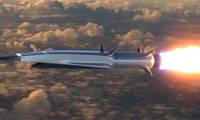
Explore special engine helps supersonic aircraft reach speed of 11,113 km/h.
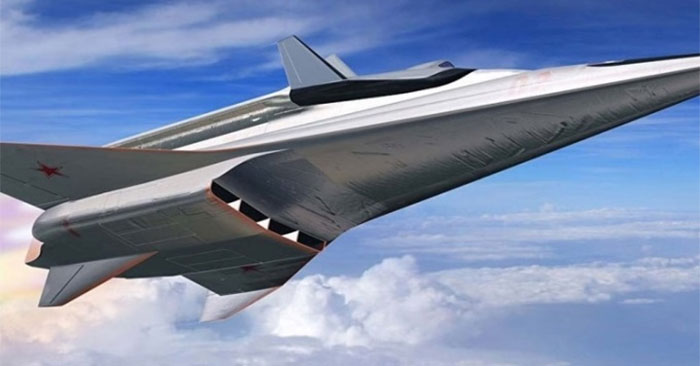
With the same energy level, the shock wave triggers a series of explosions that occur almost instantly and release much more energy than a traditional internal combustion engine, especially at speeds above Mach 8 (9,878 km/h).
Earlier this year, the team conducted several tests with an indirect-detonation engine on the ground, generating thrust through a series of explosions that took place in the JF-12 hypersonic shockwave tunnel in Beijing.
The researchers' engine uses RP-3, a jet fuel commonly found at airports. Kerosene is a fuel with high energy density, easy to store and transport, making it a good choice for aspirated engines, according to Liu Yunfeng, head of the research team.
Igniting kerosene in extremely hot and fast-moving air is a challenge for scientists.
Kerosene burns more slowly than hydrogen, so engines running on this fuel need to have a longer combustion chamber bridge, about 10 times longer than those using hydrogen, to maintain the fuel-air mixture for a longer time. For most supersonic aircraft, adding more length is not feasible.
To overcome this problem, Chinese scientists added a tab to the engine's air intake surface. This simple adjustment makes it easier to ignite the kerosene while still keeping the combustion chamber compact.
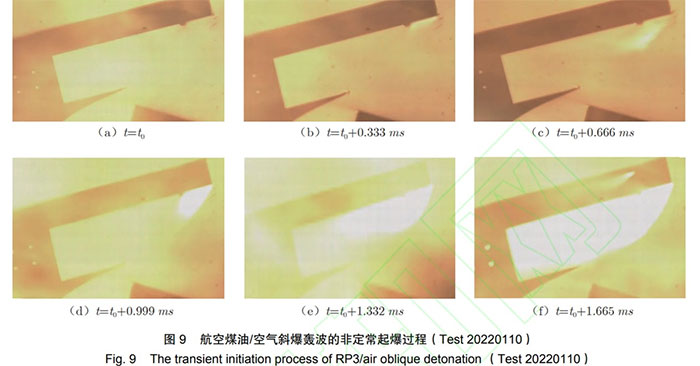
The results of the JF-12 tunnel test under various conditions showed that the generated shock wave not only ignited the kerosene but also confined the explosion to a small space, providing a stable supply of thrust.
The Chinese government hopes to build a fleet of hypersonic aircraft that can carry passengers anywhere on Earth within 1-2 hours.
To date, reducing manufacturing and operating costs remains a major challenge in the development of supersonic aircraft.
Final Thoughts
Understanding special engine helps supersonic aircraft reach speed of 11,113 km/h makes it easier to evaluate the information and apply the most relevant recommendations. Focus on the key points above and verify details that may change over time.
FAQ
What is special engine helps supersonic aircraft reach speed of 11,113 km/h?
Explore special engine helps supersonic aircraft reach speed of 11,113 km/h.
What key points does this article cover?
The article explains the core concept, important considerations, and practical details readers should understand.
How can you use this information in practice?
Use the explanations to compare options, verify important details, and make a more informed decision. Apply the recommendations that best match your goals and situation.
Related Articles
 Will Civil Supersonic Aircraft Return: Key Facts6 minutes read
 Successfully Tested the Mach 5 Engine3 minutes read
 New Coating Helps Supersonic Aircraft Withstand Temperatures up to 3000 Degrees Celsius3 minutes read
 No Engine but This Model Plane Can Fly Up to 881km/h!4 minutes read
 The Fastest Supercar in the World with a Speed of 1,600 Km / H4 minutes read
 Rotating Rocket Engines Can Help Aircraft Reach Speeds of Mach 9 Explained4 minutes read
Reader Comments 0
Sign in with email or Google to join the discussion.