Table of Contents
Explore signs of excess fiber you may not know, including the key concepts, practical examples, important considerations, and useful guidance.

You suddenly have gas, bloating, or constipation
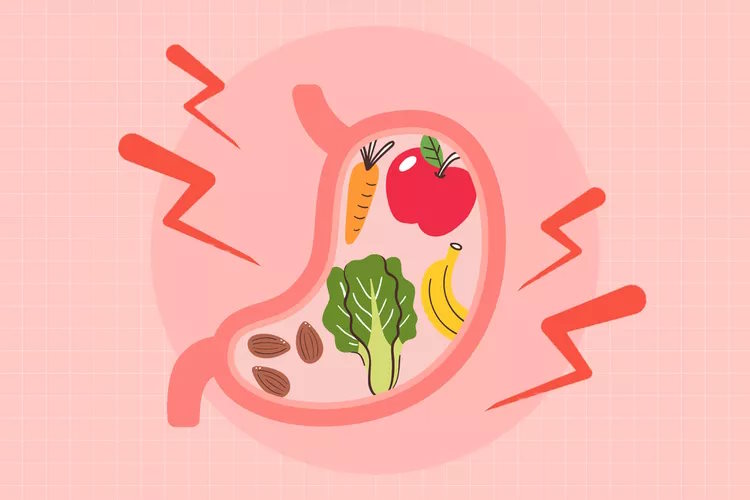
Bloating, abdominal pain, and excess gas are all common side effects of increasing your fiber intake, says Rekha Chaudhary, MD, a hematologist-oncologist at the University of Cincinnati Cancer Center. When you eat more fiber, a host of gut bacteria begin to ferment the fiber, producing gas that causes bloating, abdominal pain, and cramping.
Uncomfortable symptoms are more likely to occur if you suddenly increase the amount of fiber in your diet and do not drink enough water. This is because water is essential for the digestion of fiber, helping it move through your digestive system and out of your body.
When fiber intake is increased but fluid intake is inadequate, the increased stool volume can become difficult to pass, especially with soluble fiber, which can cause constipation. In people who frequently have diarrhea, adding insoluble fiber can increase the rate of transit and make diarrhea worse.
To avoid digestive problems, it's best to stick to the recommended daily fiber intake and gradually increase your intake if you're not getting enough now. Taking two to four weeks to gradually increase your intake will give your digestive system time to adjust. Also, any increase in fiber will mean an increase in hydration. Drinking water regularly throughout the day will aid digestion and help fiber move through your body more easily.
Unexplained symptoms such as fatigue, brittle hair or nails, pale skin, or slow-healing wounds
Too much fiber—more than 70 grams a day—can bind with minerals like iron, calcium, magnesium, and zinc. This ultimately means they leave your body when the fiber does, and you won't absorb as much as you think.
Minerals are essential for the normal functioning of the body. They play a role in everything from bone and muscle health to heart and brain function. They are also important in the production of hormones and enzymes. So when they are flushed out, you can feel exhausted and, depending on your fiber intake, cause symptoms like fatigue, brittle hair or nails, pale skin, or slow wound healing. If you are consuming too much fiber and start to notice other random health symptoms, you should see your doctor to see if there is a problem.
Likewise, too much fiber can also interfere with the absorption of some medications, making them less effective. If you are taking any prescription medications or dietary supplements, it is recommended that you space your fiber intake by about two hours to reduce the risk of the fiber binding to them in your digestive tract.

You have difficulty finishing your meal
Fiber slows down digestion in general and helps you feel full. It actually takes up space, signaling to your body that you've had enough to eat. But that doesn't necessarily mean you're consuming all the calories or nutrients you need for energy and optimal functioning.
If you eat too much fiber at once, you risk feeling full quickly, and then not having room to eat other important foods on your plate, such as protein and healthy fats.
The most helpful strategy to avoid this is to spread your fiber intake throughout the day. This helps prevent feeling too full at any one meal. Also, remember that while fiber is a powerful nutrient that most people could eat more of, it needs to exist alongside other foods. Fiber should be part of a balanced diet, not the whole thing.
Final Thoughts
Understanding signs of excess fiber you may not know makes it easier to evaluate the information and apply the most relevant recommendations. Focus on the key points above and verify details that may change over time.
FAQ
What is signs of excess fiber you may not know?
Explore signs of excess fiber you may not know, including the key concepts, practical examples, important considerations, and useful guidance.
What key points does this article cover?
The article focuses on You suddenly have gas, bloating, or constipation, Unexplained symptoms such as fatigue, brittle hair or nails, pale skin, or slow-healing wounds, You have difficulty finishing your meal, with practical explanations and examples.
How can you use this information in practice?
Use the explanations to compare options, verify important details, and make a more informed decision. Apply the recommendations that best match your goals and situation.
Related Articles
 Signs You're Getting Too Much Protein: Complete Guide5 minutes read
 This Is a Nutrient That Burns Excess Fat and Effectively Improves Intestinal5 minutes read
 What Happens to the Body When You Take Too Much Magnesium: Explained5 minutes read
 Warning Signs of Your Body Eating Too Little Vegetables4 minutes read
 The New Fiber Optic Sensor Is Capable of Transmitting Data5 minutes read
 Should You Prioritize Fiber or Protein in Your Diet: Explained5 minutes read
Reader Comments 0
Sign in with email or Google to join the discussion.