Table of Contents
This updated guide examines How to Insert a Hyperlink in Microsoft Word and organizes the essential facts, background, and practical takeaways in clear American English.
Method 1
Linking to Websites or Other Documents
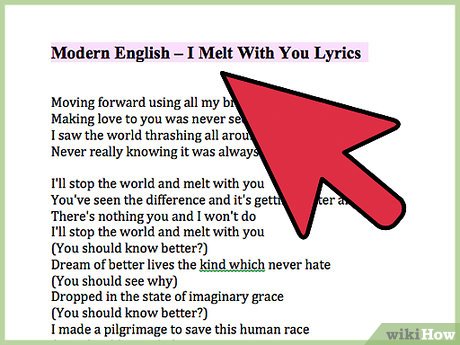 Select the text or image that you want to turn into a link. You can turn any text or image in your document into a link. Highlight the text or click the image that you want to convert into a hyperlink.
- To insert an image into your document, click the Insert tab and select "Pictures." You'll be able to browse your computer for an image file to add. You can also insert clipart to use as a link.
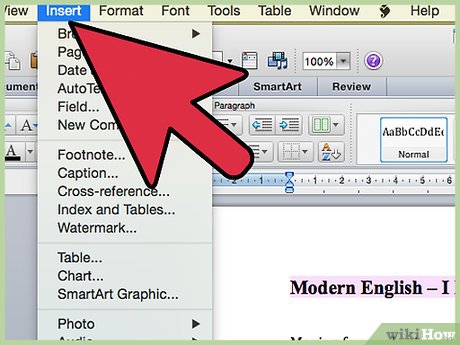 Click the Insert tab. This will open the tab that allows you to insert various objects in your document. If you're using Word 2003 or earlier, click the Insert menu instead.
 Click the "Hyperlink" button. The button has an image of a globe with a link, and can be found in the "Links" section.
 Type or paste the website address into the "Address" field. Opening the drop-down menu will display a list of recently-visited sites.
- If you want to link to a file instead, browse your computer for the file that you want to link to.
- You can also have the link send the reader to a new document. Select the "Create a new document" option in the left menu, and then choose where the document will be created.
 Set a ScreenTip (optional). You can change the text that appears when the user rests the cursor over the link by clicking the "ScreenTip" button. By default it will display the website address or file path.
 Test your link. After creating your link, you can test it by holdingCtrl/⌘Cmdand clicking it. The linked page or document should load in a new window.
Method 2
Linking to a Blank Email Message
 Highlight the text or click the image that you want to turn into an email link. You can use any text or image that is in your document.
 Click the Insert tab and select"Hyperlink." If you're using Word 2003, use the Insert menu instead.
 Select the "Email Address" option in the left menu. This will allow you to configure the blank message.
 Enter the address and subject. This will be the address that the reader will be sending the email to. What you enter into the "Subject" field will be automatically filled in for the reader, but they will be able to change it if they want.
- If you use Outlook, you'll see recently used email addresses in the field at the bottom of the window.
 Test the link. Once you've created the link, you can test it by holdingCtrl/⌘Cmdand clicking it. Your email client should open with a new blank message addressed to the email address you set.
Method 3
Linking to a Location in the Same Document
 Place your cursor in the spot in the document you want to link to. You can use the Bookmark tool to create links to specific spots in your document. This is great for tables of contents, glossaries, and citations. You can highlight a portion of text, select an image, or just place your cursor in the spot you want.
 Click the Insert tab and select"Bookmark." You'll find this in the "Links" section.
 Give the bookmark a name. Make sure the name is descriptive enough that you'll be able to recognize it. This is especially important if you are using a lot of bookmarks or more than one person is editing the document.
- Bookmark names have to start with a letter but they can contain numbers. You can't use spaces, but you can use underscores instead (e.g. "Chapter_1").
 Click "Add" to insert the bookmark. Bookmarks will be surrounded by brackets. These aren't displayed by default in newer versions of Word. To display bookmarks, click the File tab, select "Options," then click "Advanced." Scroll down to the "Show document content" section and check the "Show bookmarks" box.
 Select the text or image you want to create the link from. Highlight the text or click the image that you want to turn into the hyperlink to your bookmark.
 Click the "Hyperlink" button in the Insert tab. This will open the "Insert Hyperlink" window.
 Select the "Place in This Document" option in the left menu. You'll see a navigation tree with your heading styles and bookmarks.
 Select the bookmark you want to link to. Expand the "Bookmarks" tree if it isn't already and select the bookmark you want to link to. You can also select from heading styles you've applied throughout the document.
 Click "OK" to insert the link. You can test it after inserting it by holdingCtrl/⌘Cmdand clicking it. Your document should scroll to the bookmark's location.
FAQ
What is How to Insert a Hyperlink in Microsoft Word about?
It provides a structured overview of link, explains the main context, and highlights practical takeaways for readers.
Why does this topic matter?
Understanding the main concepts helps readers evaluate the issue, avoid common mistakes, and make better-informed decisions.
How should readers use this information?
Use the guidance as a practical starting point, confirm details that may have changed, and follow current product, safety, or security recommendations.
Related Articles
 Complete Guide Word 2016 (Part 9): Use Hyperlink3 minutes read
 Create Hyperlink in Word: Complete Guide4 minutes read
 Hyperlink (Hyperlink) in PowerPoint 20166 minutes read
 How to Delete the Link, Remove Hyperlink in Word5 minutes read
 How to Insert Equations in Microsoft Word: Practical Guide12 minutes read
 How to Open Links in Word, Outlook Does Not Need the Ctrl Key4 minutes read
Reader Comments 0
Sign in with email or Google to join the discussion.