Table of Contents
This updated guide examines How to Add Disk Management to Control Panel in Windows 10/8/7 and organizes the essential facts, background, and practical takeaways in clear American English.
- Access Disk Management in Windows 7 and Windows 8
Here are some things that Disk Management is suitable for:
- Set up a new drive.
- Expanding a volume into space is not yet part of the volume on the same drive.
- Minimize a partition, usually so you can extend a neighboring partition.
- Change the drive letter or assign a new drive letter.
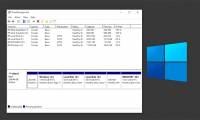
Disk Management is not in Control Panel by default, but you can add it.
This tutorial will show you how to add Disk Management to Control Panel for all users to open from within Windows 7, Windows 8 or Windows 10.
You must be logged in as an administrator to add or remove Disk Management for Control Panel.
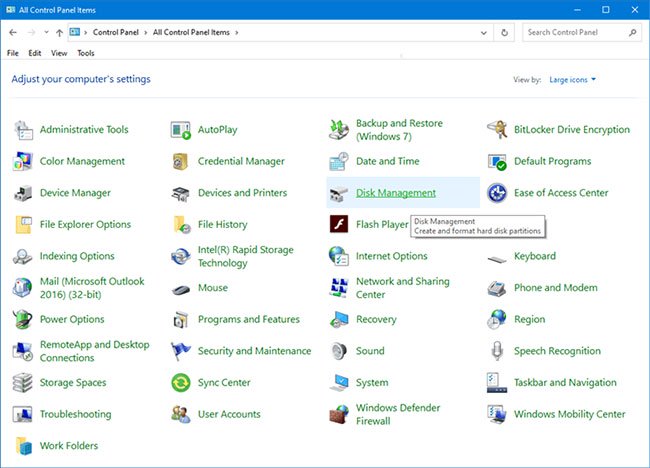
Here's how:
1. Follow step 2 (to turn on) or step 3 (to turn off) below for what you want to do.
2. To add Disk Management to Control Panel.
- Download this file and move on to step 4.
3. To remove Disk Management from Control Panel.
- Download this file and go to step 4 below.
4. Save this.reg file to the desktop.
5. Double click on the downloaded.reg file to merge it.
6. When prompted, click Run> OK (UAC)> Yes> OK to approve the merge.
7. If you like, you can delete the downloaded.reg file.
8. If Control Panel is currently open, close and reopen to apply changes.
:
- How to delete a drive that cannot be deleted by Disk Management
- Hard disk management with Disk Management in Windows Vista
FAQ
What is How to Add Disk Management to Control Panel in Windows 10/8/7 about?
It provides a structured overview of Disk Management, explains the main context, and highlights practical takeaways for readers.
Why does this topic matter?
Understanding the main concepts helps readers evaluate the issue, avoid common mistakes, and make better-informed decisions.
How should readers use this information?
Use the guidance as a practical starting point, confirm details that may have changed, and follow current product, safety, or security recommendations.
Related Articles
 Instructions to Disable Control Panel on Windows 74 minutes read
 How to Open Control Panel on Windows 10, 8.1, 712 minutes read
 How to Add Control Panel to Power User Menu (Windows + X) on4 minutes read
 Control Panel Will Soon Disappear on Windows 103 minutes read
 How to Add Services to Control Panel in Windows 7, 8 and 103 minutes read
 Disk Management Tool Windows 10 Is About to Have a Newer3 minutes read
Reader Comments 0
Sign in with email or Google to join the discussion.