Table of Contents
This updated guide examines Homegroup: How to Access Shared Folders in Windows 7 and organizes the essential facts, background, and practical takeaways in clear American English.
Method 1of 3:
Create the Homegroup
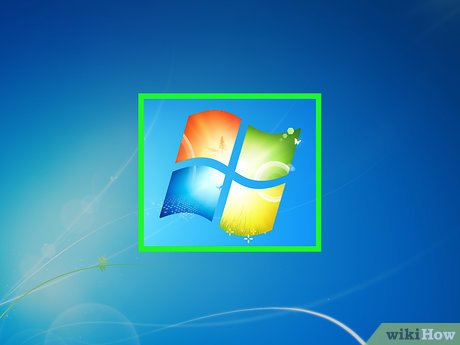 Turn on the computer with the files that you wish to share. Connect to your home network.
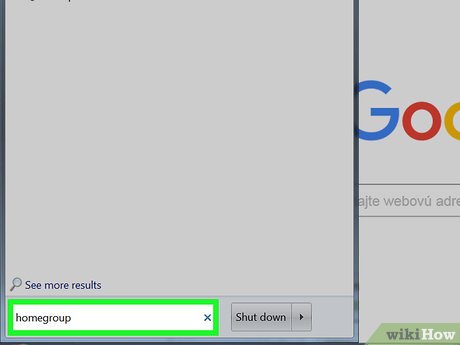 Click on theWindows 7 Orb, formerly the "Start" bar. Type "Homegroup" in the "Search Programs and Files" field.
- Wait for the system to search for and find the Homegroup tool. Do not hit the "Enter" key.
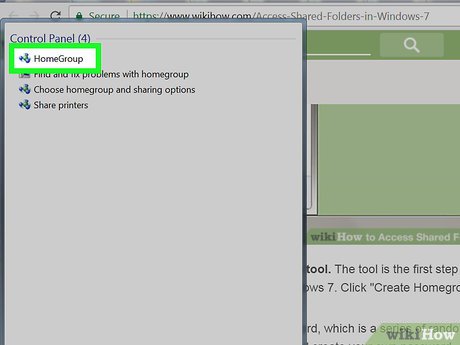 Single-click on "Homegroup" to launch the tool. The tool is the first step in learning how to access shared folders in Windows 7. Click "Create Homegroup," then click "OK."
- The system will create a homegroup password, which is a series of random letters and numbers. Click in the password field and create your own password.
- Write down your password and keep it in a secure place.
 Select the types of files you wish to share with the Windows Homegroup.
- Your options are pictures, music, videos, documents and printers. You can also share media with devices.
- Click "Save Changes."
- Close out of the Homegroup tool.
 Navigate to the folder you wish to share.
- Although the Homegroup will automatically share certain files, you can turn sharing on or off on specific folders.
 Right-click on the folder you wish to share. Select "Share With," and click "Homegroup." Do this with every folder you wish to share.
Method 2of 3:
Join the Homegroup
 Turn on the computer on which you want to access the shared folders. Connect to your home network.
 Click on the Windows 7 Orb, formerly the "Start" bar. Type "Homegroup" in the "Search Programs and Files" field. Wait for the system to search for and find the Homegroup tool. Do not hit the "enter" key.
 Single-click on "Homegroup" to launch the tool. Windows will prompt you to join the existing Homegroup.
 Select the types of files you wish to share with the Homegroup.
- Your options are pictures, music, videos, documents and printers. You can also share media with devices.
- Click "Next."
 Enter the Homegroup password. Click "OK" or "Join Now."
 Close out of the Homegroup tool.
Method 3of 3:
Access the Shared Folder
 Click on the Windows Orb. Left-click on your username on the menu.
 Click on the arrow next to the name of the computer in the Homegroup from the list on the left.
 Click on the folder you want to access to show the contents in the window on the right. Browse the files inside the folder as you would on the host machine.
FAQ
What is Homegroup: How to Access Shared Folders in Windows 7 about?
It provides a structured overview of homegroup, explains the main context, and highlights practical takeaways for readers.
Why does this topic matter?
Understanding the main concepts helps readers evaluate the issue, avoid common mistakes, and make better-informed decisions.
How should readers use this information?
Use the guidance as a practical starting point, confirm details that may have changed, and follow current product, safety, or security recommendations.
Related Articles
 How to Access Shared Folders on a Network: Clear Instructions6 minutes read
 How to Access Shared Folders on Android: Clear Instructions3 minutes read
 How to Sync Folders: Practical Guide12 minutes read
 Share Files on Windows with Android Device7 minutes read
 Instruction: Fix Access Denied in Windows 73 minutes read
 Bookmark Favorite Folders: How to Bookmark Folders on Windows 108 minutes read
Reader Comments 0
Sign in with email or Google to join the discussion.