Table of Contents
There is no simple daily trick that reliably produces a large, lasting “metabolism boost.” Eating adequately, being active, sleeping well, and staying hydrated support health, but that is different from promising rapid calorie burning or weight loss.
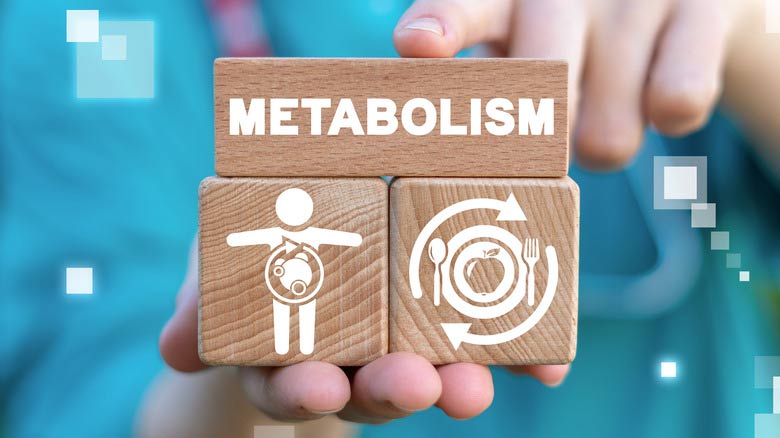
What metabolism means
Metabolism includes the processes that break down nutrients for energy and build or repair the body's tissues. It supports functions such as breathing, circulation, movement, and temperature regulation. “Faster” is not a complete definition of healthier metabolism.
See MedlinePlus's metabolism explanation for the distinction between breaking down and building processes.
Eat for nutrition, not a promised boost
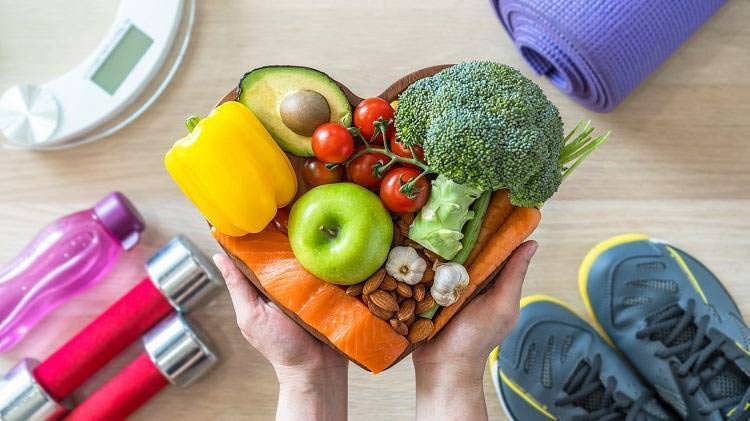
A varied diet and adequate protein help meet the body's needs. Include suitable protein foods according to your preferences and health requirements rather than assuming a specific food or supplement will transform your metabolic rate.
Muscle uses energy, but gaining muscle does not automatically cause dramatic weight loss. Physical activity has value beyond the number of calories burned.
Keep a workable sleep routine
Make room for sufficient sleep and use consistent bed and waking times where possible. Poor sleep can affect appetite and daily behavior. Getting a full night's sleep is worthwhile without describing it as a switch that speeds up metabolism.
If sleep problems persist, discuss them with a healthcare professional rather than relying on a metabolism product to address fatigue.
Drink enough for your circumstances
Water is necessary for normal body functions, but forcing large amounts does not establish a useful metabolic benefit. Fluid needs vary with age, activity, climate, health conditions, and what you eat and drink.
Do not follow an instruction to drink “half your body weight” without units or individual context. MedlinePlus's water guidance notes that total water intake includes food and beverages. If you have been given a fluid restriction or individualized advice, follow that plan.
Choose meal timing that works for you
There is little scientific evidence that eating many small meals boosts metabolism. A schedule can help you manage hunger and fit your day, but three to five meals every few hours is not a universal requirement.
Fermented foods can be part of a diet you enjoy, but they are not a necessary top-priority purchase or a proven shortcut to faster metabolism. Consider the complete food, including its ingredients and suitability for you.
When to seek individual advice
Unexpected weight change, persistent fatigue, or concerns about a medical condition deserve assessment. Do not infer a nutrient deficiency from these symptoms or start supplements simply because an article mentions one.
The MedlinePlus review of metabolism myths is a useful guide to separating ordinary healthy habits from exaggerated claims.
Related Articles
 Morning habits that help you burn fat all day
 11 bad habits that affect health that we need to fix right away
 How to enable/disable Turbo Boost on Mac
 What is Intel Turbo Boost? How does Intel Turbo Boost work?
 What is Turbo Boost technology? Which machine is equipped with Turbo Boost?
 How to effectively boost laptop battery?
Reader Comments 0
Sign in with email or Google to join the discussion.