Table of Contents
Chinese startup DeepSeek is preparing to launch a new generation of AI agents by the end of 2025, Bloomberg reports. The system is designed to perform complex, multi-step tasks with minimal input from the user, and is capable of learning from previous actions to improve performance over time.
DeepSeek made global headlines earlier this year with the launch of its R1 model, which stood out for its advanced reasoning capabilities and costing just $6 million to develop – far less than rivals like OpenAI's ChatGPT or Google's Gemini. R1 was also released as open source, allowing developers to freely access it, challenging the 'bigger is better' philosophy that has dominated Silicon Valley.
After R1, DeepSeek took a cautious approach. Founder Liang Wenfeng delayed the launch of R2, focusing on refining the technology while continuing his role at High-Flyer Asset Management. This slow approach is different from Alibaba and Tencent, which are accelerating their AI deployments.
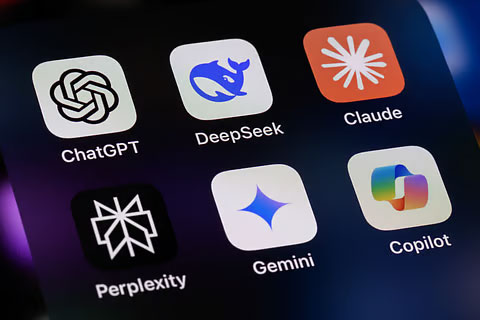
Last month, DeepSeek released its V3.1 update, expanding the context window to 128,000 tokens, increasing the number of parameters to 685 billion, and implementing an 'AI-generated content' label on all outputs – a mandatory and unenable policy that sets the company apart from its competitors.
R2's target is the emerging market for AI agents. Unlike chatbots that only respond to text, AI agents can handle tasks like travel planning, software debugging, or business process management with little human supervision. Analysts see it as the next big step in AI, with the potential to boost productivity and change the way digital services are delivered.
Global competitors such as OpenAI, Microsoft, and Anthropic have deployed many AI agent-related features. DeepSeek aims to catch up and even surpass these efforts, further challenging the US's leadership in the field of AI.
Details about R2's price, commercial availability, and technical specifications remain limited, but observers say the launch will be closely watched both in Silicon Valley and Washington, as DeepSeek's rapid progress raises concerns about China's growing influence in artificial intelligence.
Final Thoughts
The development covered in this article is worth following, but specifications, dates, and feature details may change until the relevant company or organization publishes an official confirmation.
FAQ
What is the main development covered in this article?
Chinese startup DeepSeek is preparing to launch a new generation of AI agents by the end of 2025, Bloomberg reports.
What should you know about the key details?
DeepSeek made global headlines earlier this year with the launch of its R1 model, which stood out for its advanced reasoning capabilities and costing just $6 million to develop – far less than rivals like OpenAI's ChatGPT or Google's Gemini.
Is every reported detail officially confirmed?
Not necessarily. Product leaks, preview builds, research reports, and early announcements can change. Confirm important specifications, dates, and availability through an official source before making a decision.
Related Articles
 The US Has a Super Cheap AI Chatbot to Compete with DeepSeek5 minutes read
 OpenAI Launches ChatGPT Agent to Become a Personal Assistant4 minutes read
 OpenAI Unveils Deep Research, a New AI Agent That Can Complete4 minutes read
 minutes read
 OpenAI Announces Operator, an AI Agent That Automatically Performs3 minutes read
 Running DeepSeek V4-Pro in Claude Code21 minutes read
Reader Comments 0
Sign in with email or Google to join the discussion.