Table of Contents
Explore abusing painkillers can do more harm than good, including the key concepts, practical examples, important considerations, and useful guidance.
Notably, this analysis also indicated a higher risk of serious side effects, including cardiovascular problems. From this, the research team concluded that the risks of tramadol likely outweigh the benefits and recommended limiting its use.
Tramadol is a dual-action opioid used to control moderate to severe pain, both acute and chronic. Therefore, it appears in many clinical treatment guidelines as a pain relief option, researchers say.
In recent years, prescriptions for tramadol have surged, making it one of the most commonly used opioids in the U.S. This may be due to the widespread belief that tramadol has fewer side effects and is less addictive than other short-acting opioids.
However, despite being considered in several previous systematic reviews, scientists believe that no analysis has yet fully assessed both the efficacy and safety of tramadol on the wide range of chronic pain conditions.
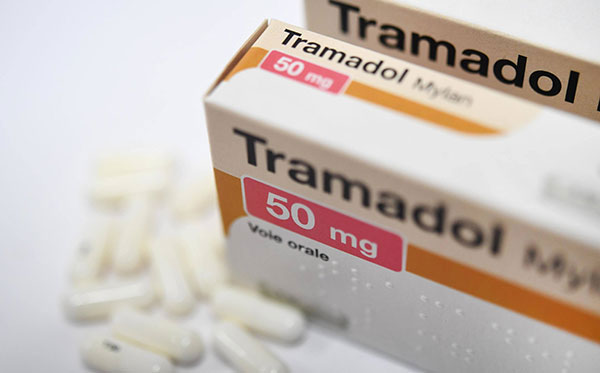
To fill this gap, the research team reviewed scientific databases to find randomized clinical trials published up to February 2025 that compared tramadol with a placebo in patients with chronic pain, including cancer pain.
A total of 19 clinical trials, with 6,506 participants, were eligible for analysis. These included:
- 5 studies focusing on neuropathic pain
- 9 studies on osteoarthritis
- 4 studies on chronic back pain
- 1 study on fibromyalgia
The average age of participants was 58 years, ranging from 47 to 69. The primary form of treatment was oral medication, with only one study using topical cream. Treatment duration ranged from 2 to 16 weeks, while post-treatment follow-up lasted from 3 to 15 weeks.
The results of the meta-analysis showed that, while tramadol did help reduce pain, the improvement was minimal, falling below the threshold considered clinically significant. Eight of the trials reported a high rate of serious adverse events occurring during the 7- to 16-week follow-up period.
Statistical analysis showed that the risk of adverse events with tramadol was twice as high as with placebo, primarily due to an increased risk of cardiovascular events such as angina, coronary artery disease, and congestive heart failure.
The use of tramadol has also been linked to an increased risk of certain types of cancer, although the research team believes these results are not conclusive due to the short follow-up period. Additionally, a meta-analysis of all data showed that tramadol increases the risk of milder side effects, including:
- Nausea
- Dizzy
- Constipation
- Asleep
The research team acknowledges that the results are at high risk of bias, but this raises the possibility that the benefits of tramadol are overestimated, while the harms are underestimated.
Approximately 60 million people globally are affected by opioid addiction. In 2019, drug use caused around 600,000 deaths, with nearly 80% related to opioids, and about 25% due to opioid overdoses.
In the US, the number of opioid overdose deaths increased from 49,860 in 2019 to 81,806 in 2022. Given this trend and the new findings, the research team suggests that the use of tramadol and other opioids should be restricted as much as possible.
In summary, tramadol may offer only minimal chronic pain relief (low-level evidence), while increasing the risk of serious side effects (moderate-level evidence) and non-serious side effects (very low-level evidence). Overall, the potential risks of tramadol likely outweigh its limited benefits in pain management.
Final Thoughts
Understanding abusing painkillers can do more harm than good makes it easier to evaluate the information and apply the most relevant recommendations. Focus on the key points above and verify details that may change over time.
FAQ
What is abusing painkillers can do more harm than good?
Explore abusing painkillers can do more harm than good, including the key concepts, practical examples, important considerations, and useful guidance.
What key points does this article cover?
The article explains the core concept, important considerations, and practical details readers should understand.
How can you use this information in practice?
Use the explanations to compare options, verify important details, and make a more informed decision. Apply the recommendations that best match your goals and situation.
Related Articles
 Surprisingly, Painkillers Can Cause Obesity, Poor Sleep3 minutes read
 Beauty Tricks That Can Do More Harm Than Good7 minutes read
 Eating Lots of Cabbage Is Probably Not as Good as We Usually Think5 minutes read
 Why Windows Bloatware Removal Scripts Can Do More Harm Than Good?10 minutes read
 7 Harmful Habits That We Still Think Are Useful5 minutes read
 Harm When Leaving the Car Outside in the Rain4 minutes read
Reader Comments 0
Sign in with email or Google to join the discussion.