Table of Contents
This guide provides a clear overview of windows terminal, including 1. Try Another Method to Open Windows Terminal, 2. Check If Windows Terminal Is Enabled. Use it to understand the topic, compare the available options, and make a more informed decision.
1. Try Another Method to Open Windows Terminal
One of the most common methods to open Windows Terminal is to right-click the Start button and select Windows Terminal (Admin). But if this option is missing or nothing happens when you click it, you should try another method to open Windows Terminal.
2. Check If Windows Terminal Is Enabled
If you have tried many ways to open Windows Terminal without success, you should check if it is disabled on your computer. Here's how you can do it:
- Press Win + I to bring up the Settings menu.
- Go to Apps > Advanced app settings.
- Select App execution aliases.
- From the application list, find Terminal and toggle the switch next to it. If it is already on, turn it off and on again.

3. Repair Windows Terminal
Fortunately, Windows has a lot of built-in tools that can fix most problems for you. The same thing happens when you can't open Windows Terminal. Instead of trying to manually identify the problem, you can ask Windows to repair the application. Here's how you can do it:
- Right click on the Start button and go to Settings.
- Go to Apps > Installed Apps.
- Click the three-dot icon next to Terminal and select Advanced options.
- Click the Repair button.
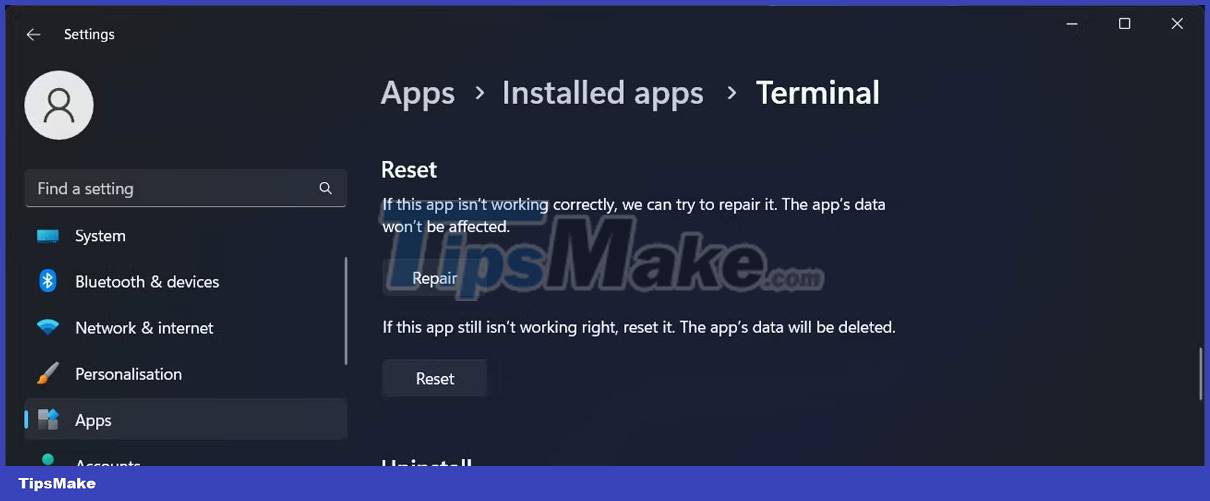
4. Reset Windows Terminal
If you still can't get Windows Terminal to work, you should try restoring it to its default settings. Check out how to reset Windows Terminal for steps.
5. Run an SFC. Scan
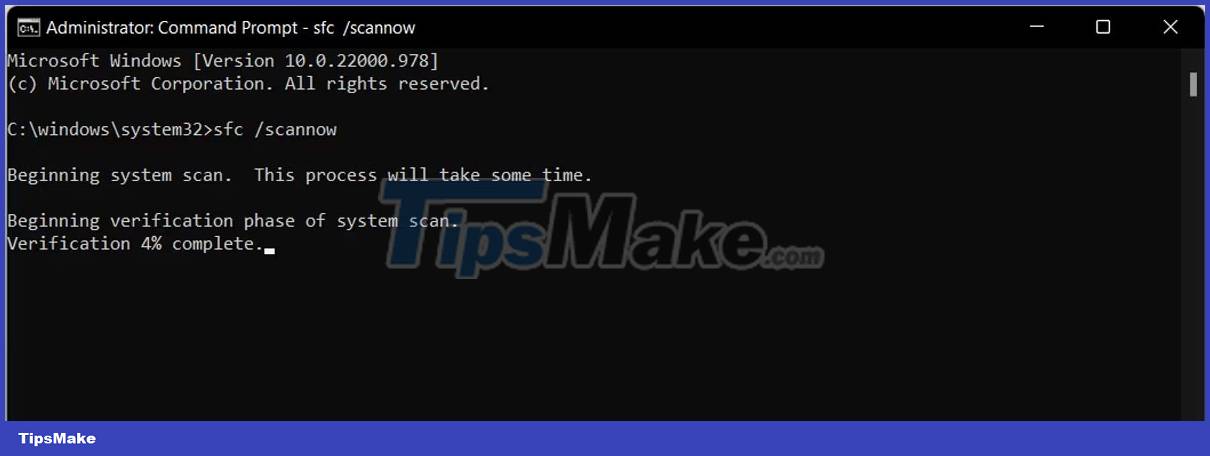
Missing or corrupt system files can prevent Windows Terminal from opening. In this case, you should run an SFC scan. This will search for any corrupted system files and automatically replace them.
6. Reinstall Windows Terminal
If none of that has worked so far, it's time to reinstall Windows Terminal. Go to Settings > Apps > Installed apps and find Terminal. Then, click on the three-dot icon next to it and select Uninstall.
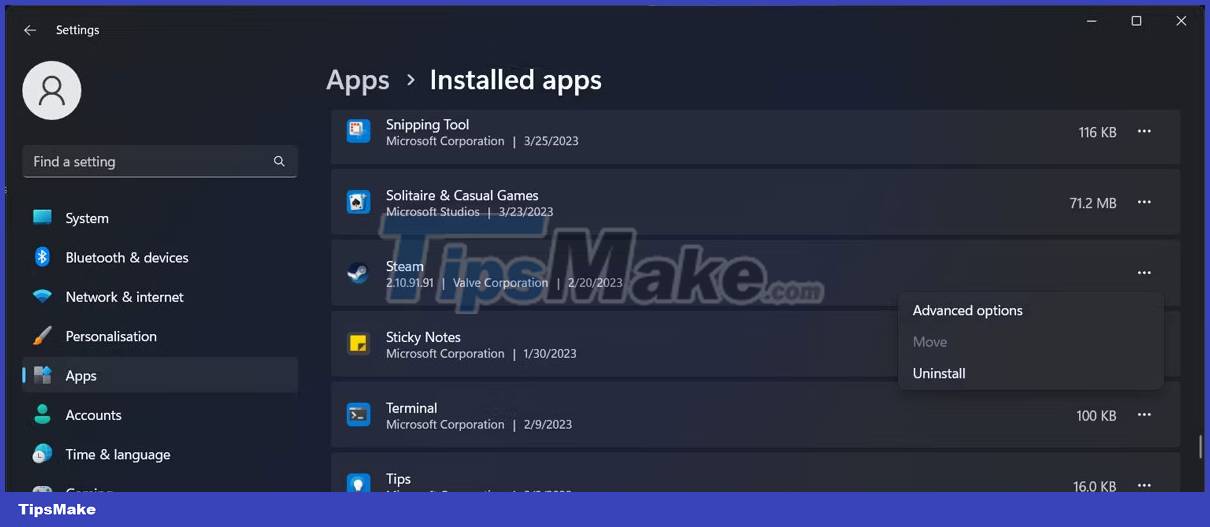
After Windows uninstalls the app, launch the Microsoft Store and reinstall Windows Terminal.
Hopefully one or more of the above solutions have helped you fix your problems with Windows Terminal. Sometimes you have to enable it on your computer or ask Windows to repair the application. But if you are still having trouble getting it to work, you should reset or reinstall the app.
Once you get it working again, you should learn about Windows Terminal tips and tricks to get the most out of it.
Conclusion
Understanding Windows Terminal makes it easier to compare options, avoid common mistakes, and apply the information in this guide more effectively. Review the relevant requirements before making changes or choosing a solution.
FAQ
What is Windows Terminal?
Check If Windows Terminal Is Enabled.
Why is Windows Terminal important?
Understanding Windows Terminal helps you evaluate features, compatibility, performance, and potential limitations before you choose a product or follow a procedure.
What should you consider when using or choosing Windows Terminal?
Consider your specific goal, compatibility requirements, available features, cost, security, and the practical recommendations described in this guide.
Related Articles
 Fix Ubuntu Unable to Open Terminal Error: What to Know8 minutes read
 Notable Changes in Windows Terminal Ver 0.113 minutes read
 Windows Terminal Is About to Have a Retro Version with a3 minutes read
 How to Customize Windows Terminal Application6 minutes read
 Fix Windows Errors: Complete Guide: How to Fix the ''error Opening File8 minutes read
 Windows Terminal: Complete Guide3 minutes read
Reader Comments 0
Sign in with email or Google to join the discussion.