Table of Contents
Wang Xingxing founded Unitree Robotics in 2016 after developing XDog, a four-legged robot prototype. The company first became known for quadruped robots, then expanded into humanoids with the H1 and G1. Wang drew wider public attention when he attended a February 2025 meeting for private-sector leaders in Beijing.


How a student prototype led to a company
Wang experimented with mechanical projects while growing up in Ningbo, then explored robotics in university. As a graduate student at Shanghai University, he worked on a compact, electrically driven quadruped. The resulting XDog prototype attracted attention before he founded Unitree. He also worked briefly at DJI.
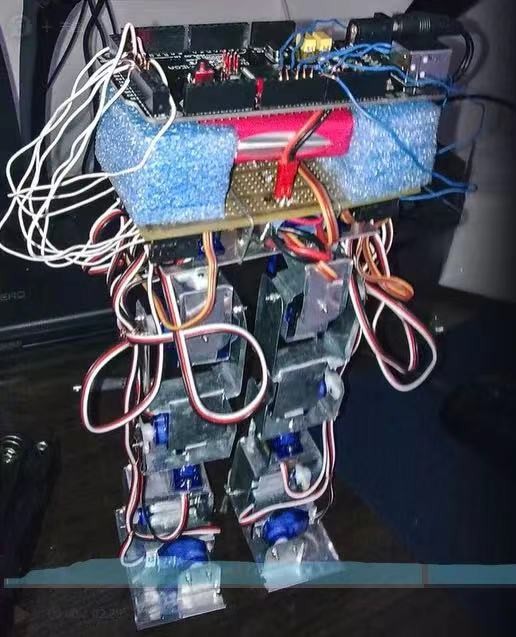
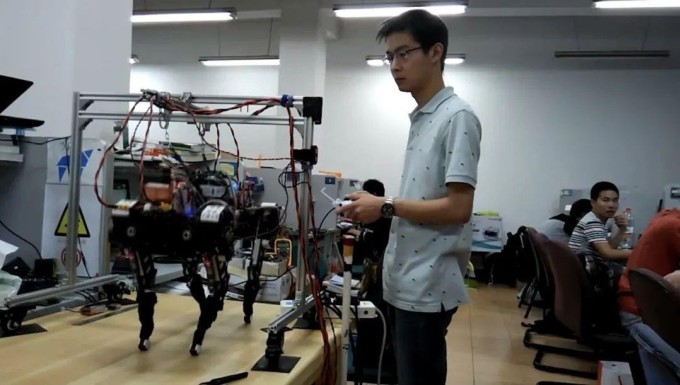
From robot dogs to humanoids
Unitree's own timeline traces its quadruped products from the early prototypes through models such as the Go1. It later introduced the H1 and then the G1. These platforms address different engineering problems: a quadruped can keep several legs on the ground, while a humanoid must balance on two legs and can be built to reach and manipulate objects at human working height.
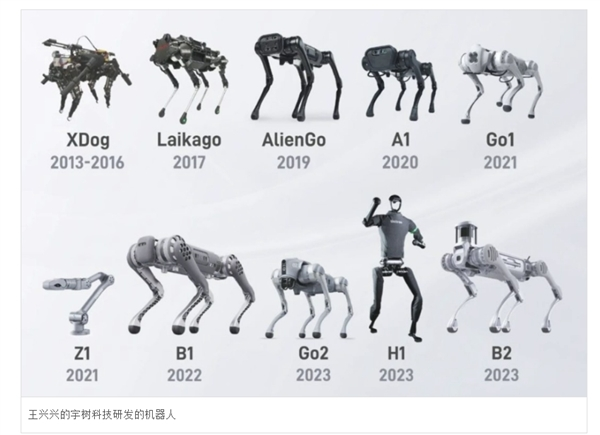
Controlled performances show what robots can repeat under prepared conditions. Evaluating everyday applications also means looking at what the robot senses, whether it needs a human operator, and how it handles errors outside a demonstration. See TipsMake’s coverage of a robot dance demonstration and Reuters’ profile of Unitree for company context.
Related Articles
 The world's most powerful multi-purpose humanoid robot, 'won't fall even if you step on it'
 Unique performance of Chinese Robot dancing 'skillfully'
 Giant 4.5m tall Japanese robot that can transform and owns a cockpit inside its body
 Nvidia and Foxconn prepare to use 'humanoid robot workers' to produce graphics cards
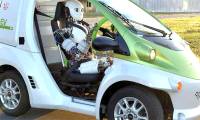 Humanoid robot drives itself and obeys traffic signals
 Xiaomi tests humanoid robots at its Beijing EV factory
Reader Comments 0
Sign in with email or Google to join the discussion.