Table of Contents
If Windows cannot format a USB drive, first protect any files you still need: formatting erases data. Check the physical write-protect switch if present, try another USB port, and reconnect the drive. If the device reports no media, the wrong capacity, or repeated errors, it may be failing; do not attempt firmware tools from unofficial sources.
Check the drive in Disk Management
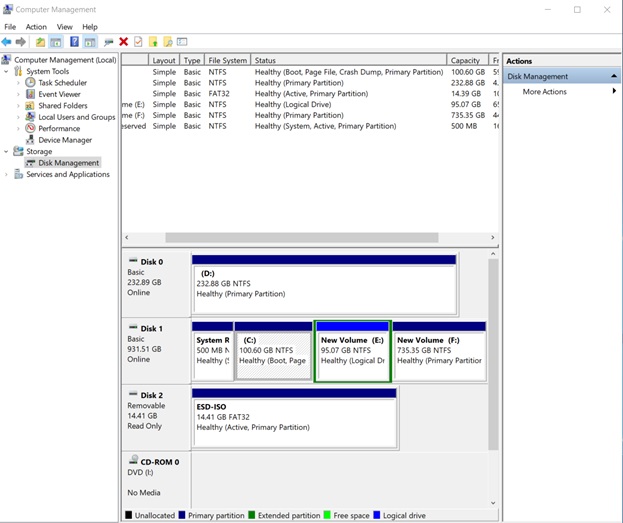
Right-click Start and open Disk Management. Identify the USB by its capacity and label before doing anything. If it has a drive letter but cannot be opened, try another port or computer and copy recoverable files first. If the partition is shown as RAW or unallocated, formatting may destroy data that recovery software could otherwise retrieve.


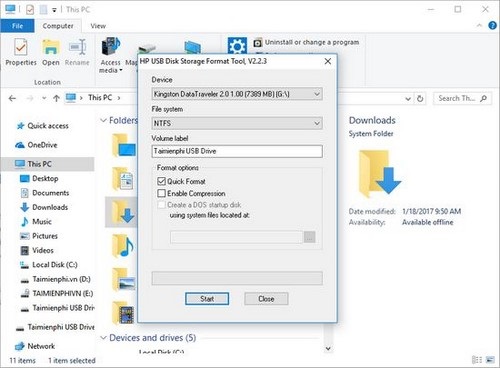
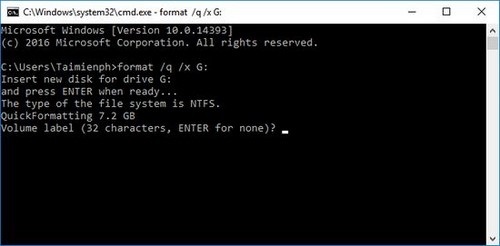
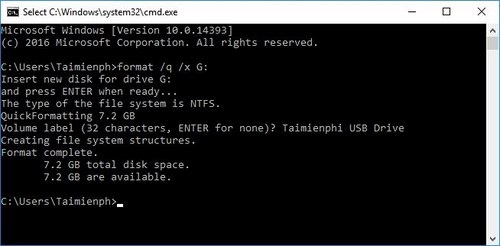
Format only after backing up or confirming the data can be erased
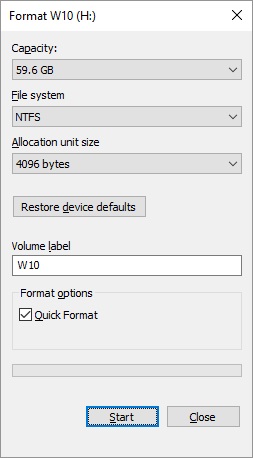
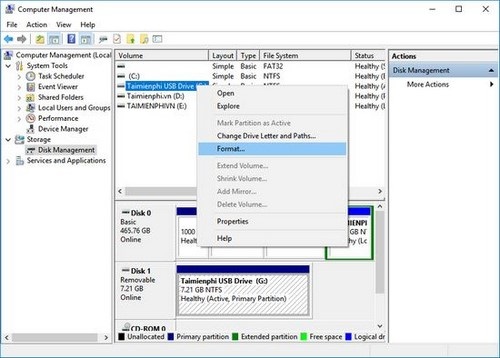
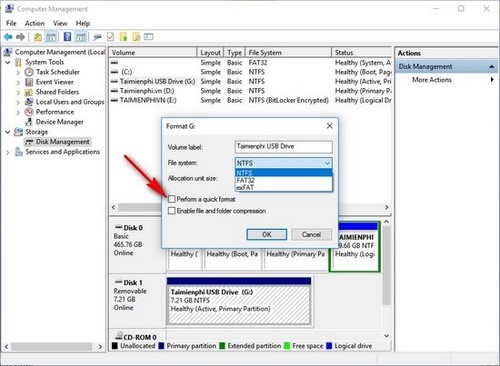
In File Explorer, right-click the correct USB drive and choose Format. Select a file system that suits the devices you will use it with; exFAT is commonly used for cross-platform removable storage, while compatibility needs vary. Confirm the drive letter and capacity again before starting. A full format takes longer than a quick format and is not a guaranteed repair for failing hardware.
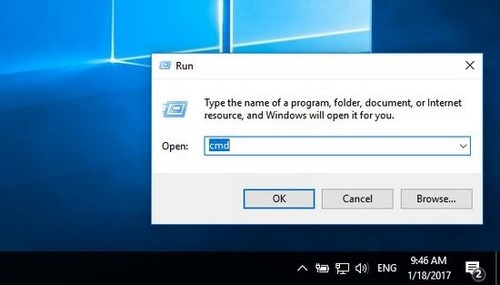
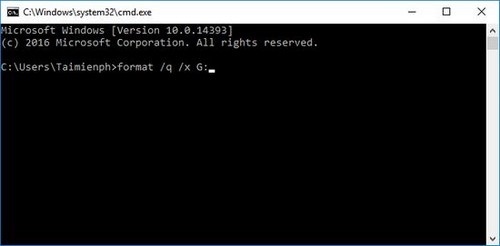
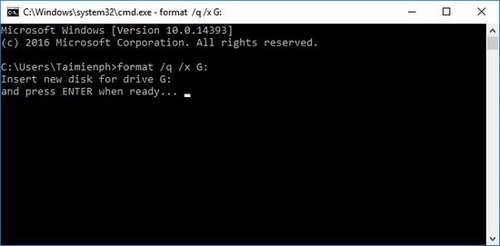
If Windows still cannot format it, test the drive on another computer. Disk Management can delete and recreate a volume, but this is destructive and should be attempted only after confirming the correct disk and backing up anything important. Avoid command-line format instructions unless you can positively identify the target drive; a wrong selection can erase another disk.
When to replace the USB drive
If it repeatedly disconnects, shows incorrect capacity, becomes read-only without a switch, or fails on multiple computers, the storage device may be damaged. Replace it rather than downloading an unverified “repair” or firmware utility.
Related Articles
 How to Bold Headings Quickly in Microsoft Word
 How to use conditional formatting in Microsoft Excel 2016
 9 time-saving tips when formatting documents in Microsoft Word
 How to Fix a USB Drive That Windows Can't Format
 10 Useful Table Formatting Tips in Microsoft Word
 Tips for formatting cells in Excel for professional spreadsheets
Reader Comments 0
Sign in with email or Google to join the discussion.