Table of Contents
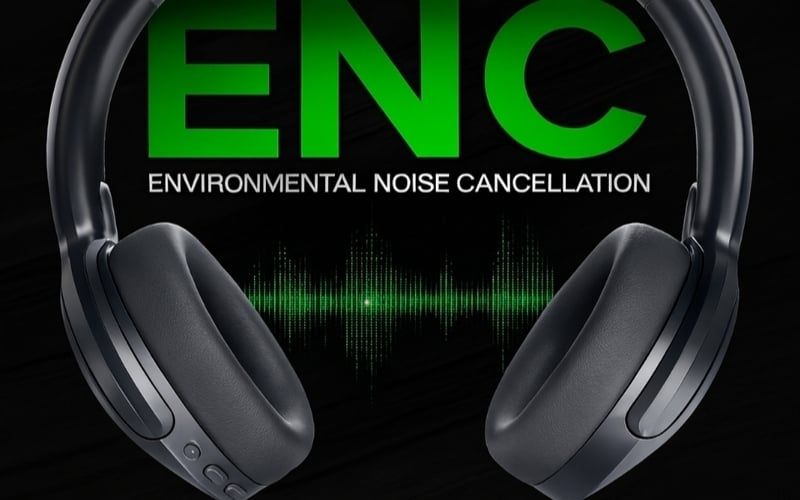
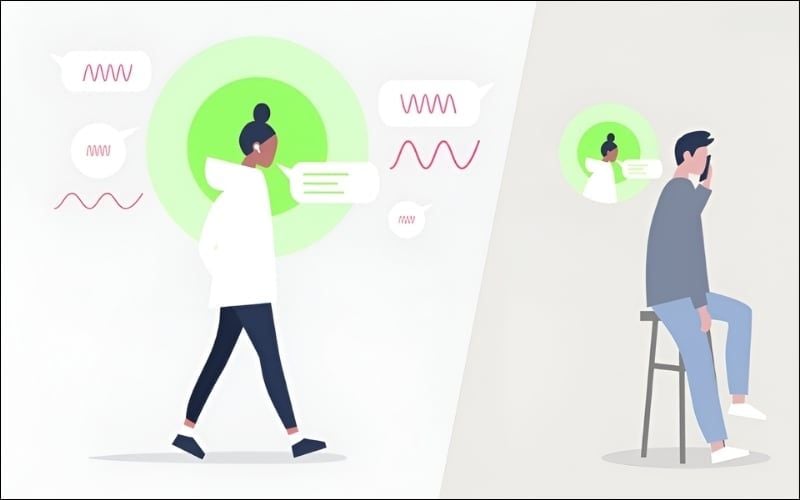
On headphones and earbuds, ENC usually refers to microphone-side processing that reduces environmental noise in the voice sent to another person. ANC, or active noise cancellation, reduces the outside noise heard by the person wearing the headphones. The short version is: ENC aims to help them hear you; ANC aims to help you hear less of the environment.
ENC is not a single universal certification or implementation. Manufacturers may use the label for different combinations of microphone directionality, beamforming, echo cancellation, digital noise suppression, and machine-learning voice isolation. Product results therefore matter more than the acronym.
What ENC does
A headset microphone captures the user's voice together with room sound, wind, keyboard clicks, traffic, or other speakers. ENC processing attempts to estimate which part is the desired voice and suppress unwanted components before the call audio is transmitted.
Depending on the product, the system may combine:
- Microphone placement and directionality: a boom mic close to the mouth naturally improves the voice-to-noise ratio.
- Multiple microphones: the device can compare signals arriving from different directions and emphasize the speaker.
- Beamforming: signal processing focuses pickup toward the expected voice location.
- Noise suppression: algorithms reduce stationary noise such as fans and attempt to separate speech from changing background sound.
- Acoustic echo cancellation: reduces audio from the headset speaker or loudspeaker that leaks back into the microphone.
A dual-microphone design is common, but it is not required and does not guarantee good results. Qualcomm, for example, describes cVc technology as a family of voice-call clarity and noise-suppression features. Other chip and headset vendors use their own systems and names.
ENC vs ANC vs passive isolation
| Feature | Main job | Who benefits directly | Typical method |
|---|---|---|---|
| ENC or microphone noise reduction | Clean up the outgoing call signal | The person listening to your microphone | Mic placement, beamforming, noise suppression, and echo cancellation |
| ANC | Reduce ambient sound reaching the wearer | The headphone wearer | Microphones measure noise and the headset plays a compensating anti-noise signal |
| Passive isolation | Physically block outside sound | The headphone wearer | Ear tips, sealed earcups, fit, and materials |
| Transparency or ambient mode | Let the wearer hear selected outside sound | The headphone wearer | External microphones mix ambient sound into playback |
These features can coexist. A pair of earbuds may have ANC for listening, transparency mode for awareness, and separate microphone processing for calls. Sony's explanation of active noise cancellation describes the microphones and opposing signal used on the listening side.
Where ENC helps
Calls and online meetings
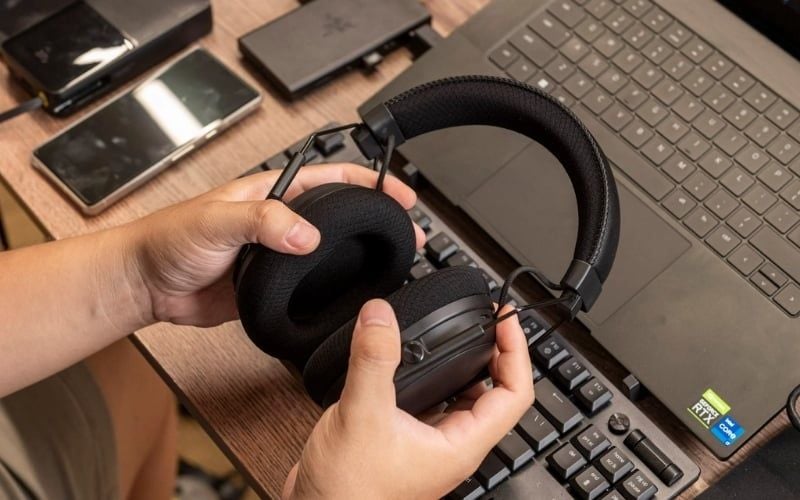
Microphone noise reduction can make speech easier to understand in a home office, shared room, or moderately noisy café. It is most effective when the microphone has a strong, close voice signal to work with. A boom microphone positioned near the corner of the mouth often has an advantage over tiny earbud microphones several inches away.

Gaming and live communication
In team chat, clear consonants and consistent voice level matter more than a heavily processed “studio” sound. ENC may reduce fan and keyboard noise, but aggressive suppression can also clip the start of words or make the voice sound watery. Test with the keyboard, room, and speaking volume you actually use.
Mobile calls outdoors
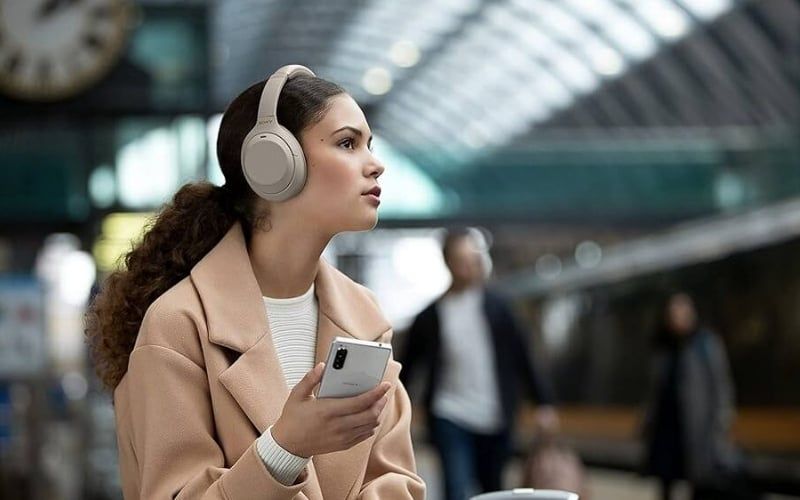
Wind is a difficult case because it strikes the microphone directly and can overwhelm the voice signal. Hardware wind protection, a stem or boom closer to the mouth, and good microphone placement may help more than a generic ENC claim. No consumer headset removes every nearby voice or sudden sound.
What ENC cannot promise
- Complete silence: changing voices, music, dishes, barking, and wind are harder to suppress than a steady fan.
- Perfect voice quality: strong filtering can introduce pumping, metallic artifacts, or missing syllables.
- Consistent behavior in every app: the operating system or meeting software may apply its own processing on top of the headset.
- Better listening: microphone ENC does not replace ANC or a good physical seal for the wearer.
- Automatic hearing protection: noise-control features do not make high playback levels safe.
How to choose a headset for calls
- Ignore the acronym at first. Read the exact description: number and position of microphones, boom design, wind handling, and whether noise reduction works in your intended connection mode.
- Listen to raw microphone samples. Prefer independent recordings made in a quiet room, with fan or keyboard noise, around other voices, and outdoors.
- Test the real app and device. Bluetooth call mode, a USB dongle, a cable, and a built-in laptop radio can produce different microphone results.
- Check fit and microphone position. A poorly seated earbud can change both playback and microphone performance; an adjustable boom should stay near the mouth without touching it.
- Compare quiet and noisy recordings. A good system preserves intelligibility and voice body while lowering the background. The cleanest background is not useful if words disappear.
- Verify controls. Check mute visibility, sidetone, app settings, firmware support, and whether the microphone works when connected to two devices.
For broader shopping context, TipsMake's guide to headsets with microphones covers form factors and comfort, while its roundup of noise-cancelling headphones focuses on listening-side ANC.
Should you choose ENC, ANC, or both?
- Choose strong microphone noise reduction when calls, meetings, streaming, or team chat are the priority.
- Choose strong ANC and passive isolation when reducing travel or office noise for the wearer is the priority.
- Choose both when you regularly listen and speak in noisy places—but test each function independently.
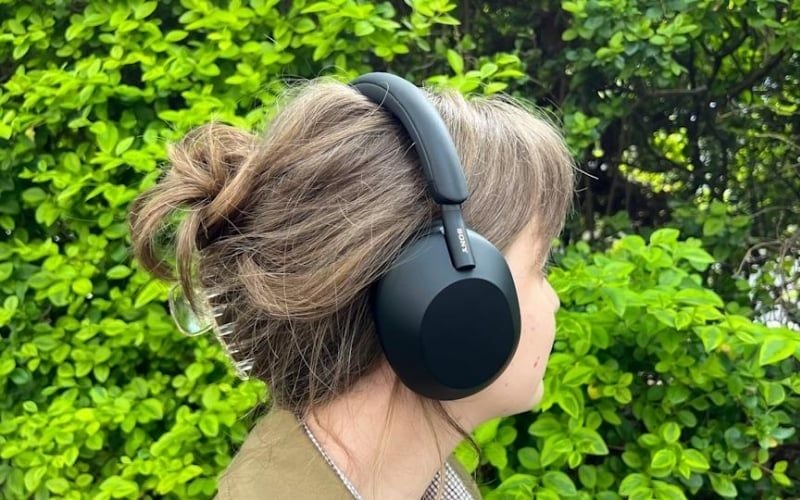
ENC is a useful label for understanding the intended function, not a reliable quality grade. A short recording from the exact headset, device, and environment will tell you more than a long feature list.
Related Articles
 What Is Active Noise Cancellation (ANC) Technology?9 minutes read
 How to Use Active Noise Cancellation Properly7 minutes read
 How to Turn on Noise Cancellation of Airpods Pro Headphones5 minutes read
 Bose Sued Beats for Noise-related Violations on Headphones4 minutes read
 Video: Sophisticated Technology Inside Noise Canceling Headphones4 minutes read
 What Is Transparency Mode?7 minutes read
Reader Comments 0
Sign in with email or Google to join the discussion.