Table of Contents
ChatGPT can describe visible features in a photograph of a palm and turn traditional palmistry symbolism into an entertaining narrative. It cannot determine your health, lifespan, personality, relationships, wealth, or future from palm lines. Palmistry is a cultural and entertainment practice, not a scientifically validated diagnostic or predictive method.
If you still want to try it, ask for clear labeling of tradition-based interpretations and keep the exercise separate from medical, legal, financial, employment, and relationship decisions.
1. Decide what you are comfortable uploading
A palm photo is still a personal image. Remove faces, documents, location clues, jewelry you do not want identified, and unrelated background details. Do not upload another person's hand without permission.
Review ChatGPT's data controls before sharing an image. If you use Temporary Chat, OpenAI says the conversation does not appear in history, does not create memories, and is not used to improve the models, although a copy may be retained for up to 30 days for safety purposes.
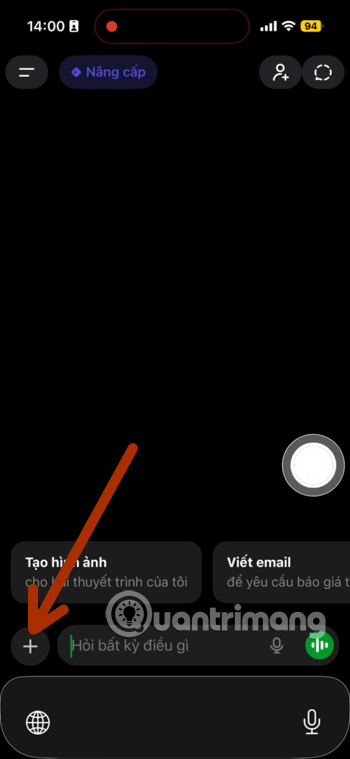
2. Take a clear, neutral photograph
Use even light, hold the palm open without straining, and place the hand against a plain background. Photograph it from directly above so perspective does not distort the fingers or creases. A clear photo helps ChatGPT describe what is visible; it does not make fortune-telling more accurate.
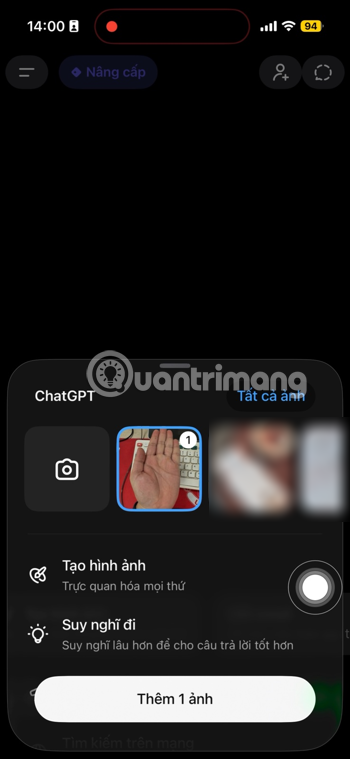
3. Attach the image in ChatGPT
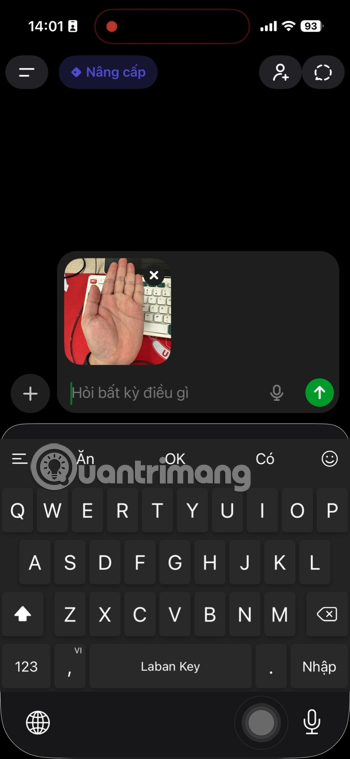
Open a new chat, select the attachment or plus control near the message box, and choose the photo. The exact button can differ by app version and device. OpenAI's Images in ChatGPT guide covers the current image-upload and editing controls.
4. Use a prompt that keeps claims honest
Avoid prompts that demand “accurate” predictions, medical conclusions, or warnings designed to feel uncannily true. They invite confident inventions. Use a prompt that separates visible description from traditional symbolism:
Describe the visible major creases and hand features in this photo.

Then explain how several palmistry traditions commonly interpret those features, clearly labeling every interpretation as folklore or entertainment rather than fact.

Do not infer health, lifespan, mental state, intelligence, gender, ethnicity, wealth, relationships, or future events. Do not give medical, financial, legal, or other high-stakes advice.

If the image is unclear, say which features cannot be identified. End with two reflective questions that do not make predictions.
This prompt asks for a bounded cultural explanation rather than pretending the image contains verified information about the person.
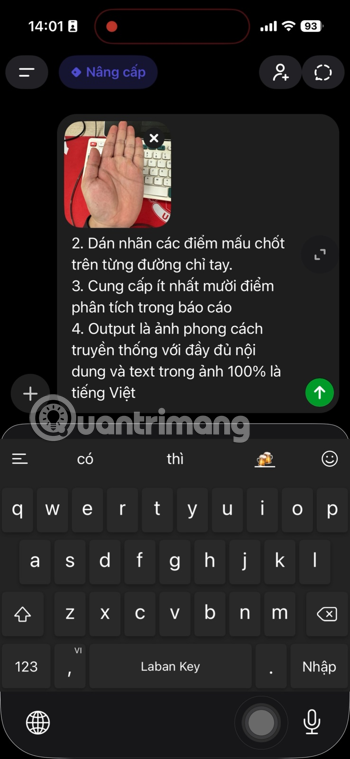
5. Ask for an annotated image only if useful
You can ask ChatGPT Images to create a labeled copy showing where traditional palmists use terms such as “heart line,” “head line,” and “life line.” Specify that the labels are educational and that the original hand shape should remain unchanged.
Create an annotated copy of this image. Label only the major creases that are clearly visible, using common English palmistry terms. Add a prominent note: “Traditional palmistry terminology—entertainment only.” Do not add predictions, health claims, or age estimates.
Inspect the labels carefully. Image generators can place text incorrectly, invent lines, or change the hand. Do not treat a polished diagram as evidence that the analysis is accurate.

6. Save or share with context
Open the result and use the available save or share control if you want a copy. Keep the entertainment disclaimer visible when sharing, and do not post someone else's hand image or personal interpretation without their consent.
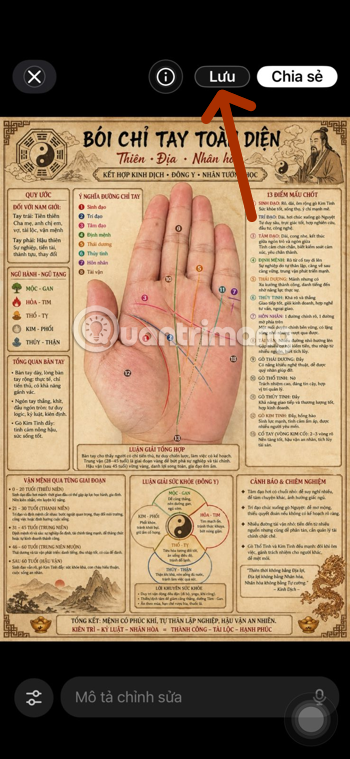
What the common line names mean in palmistry
| Traditional label | Where palmists usually locate it | Traditional association—not a fact |
|---|---|---|
| Heart line | Upper portion of the palm, below the fingers | Emotion and relationships |
| Head line | Across the middle of the palm | Thinking style and decisions |
| Life line | Curving around the base of the thumb | Vitality or life path; it does not reveal lifespan |
| Fate line | A vertical crease some hands show near the center | Career or outside influences |
Names, locations, and interpretations vary across palmistry traditions. Rules that assign different meanings to left and right hands—or to men and women—are cultural conventions, not objective measurements.
Recognize unreliable output
- It predicts a death, illness, accident, marriage, pregnancy, promotion, or financial event.
- It diagnoses circulation, organs, “energy,” or psychological traits from creases.
- It gives a precise age or date for a supposed turning point.
- It uses fear or flattery to pressure you into a purchase or more disclosure.
- It claims certainty because the image is high resolution or the answer is detailed.
If you have a health concern about your hand—such as pain, weakness, numbness, swelling, a new skin change, or an injury—consult an appropriate healthcare professional. A chatbot palm reading cannot evaluate it.
Better ways to use the same image feature
ChatGPT's image tools are more dependable for low-stakes creative work: describing visible composition, drafting neutral alt text, exploring an art style, or creating a labeled fictional illustration. TipsMake's list of AI image generators offers other creative options, while its AI photo-editing guide compares tools designed for visual changes.
A palm-reading result can be a playful storytelling prompt. Its value comes from reflection and creativity—not from predictive accuracy.
Related Articles
 4 Ways to Use ChatGPT to Read PDF Files: Explained6 minutes read
 How to Use the ChatGPT API: a Complete Guide from a to Z12 minutes read
 Google Palm 2 vs. Openai GPT-4: Key Differences9 minutes read
 The Cult Phone Palm Was About to Be 'Revived' Once3 minutes read
 How to Convert ChatGPT-5 to ChatGPT-4o3 minutes read
 Palm Revived with a Tiny Phone Model Just by ATM Card5 minutes read
Reader Comments 0
Sign in with email or Google to join the discussion.