Table of Contents
This article examines Microsoft Word 2007 and explains the main developments, practical implications, and context readers should understand.
Microsoft Word 2007 Overview
Apply the Styles
There are many styles available in Word that you can use. To see the available styles, click the Styles dialog box on the Styles group in the Home tab. To apply a Styles:
• Select the text you want to apply.
• Click on the Styles dialog box.
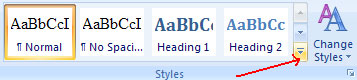
• Choose the Styles you want
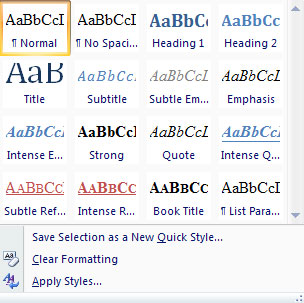
Create new Styles
You can create new Styles for formatting that you use regularly. There are two ways to create new Styles: New Styles or New Quick Styles.
New styles
To create a New style:
• Click on the Styles dialog box
• Select the New Style button
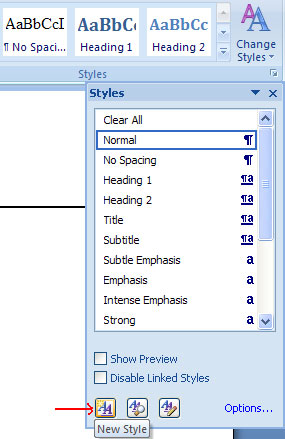
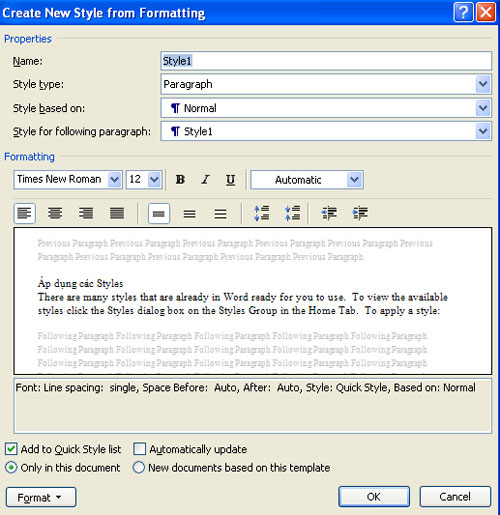
• Complete the New Style dialog box.
• At the bottom of the dialog box, you can choose to add it from the Quick Styles List or just apply it in this document.
New Quick Style
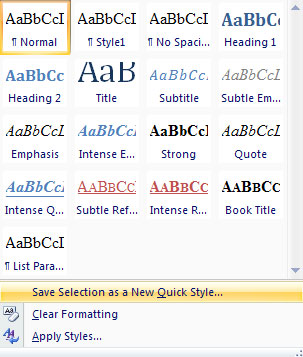
To create a simple Style:
• Place the cursor anywhere in the Style selected.
• Click on the Styles dialog box • Click Save Selection as New Quick Style
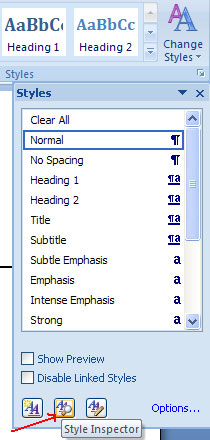
Style Inspector
To define the Style of a specific part in a document:
• Place the cursor anywhere in the text you want to explain Style.
• Choose the Styles Drop Down menu.
• Click the Style Inspector button.
Next article: MS Word - Lesson 8: Insert table
FAQ
What is the main topic of MS Word - Lesson 7: Styles: Microsoft Word 2007?
This article examines Microsoft Word 2007 and explains the main developments, practical implications, and context readers should understand.
Why is Microsoft Word 2007 important?
Microsoft Word 2007 Overview Apply the Styles There are many styles available in Word that you can use.
What should readers remember about Microsoft Word 2007?
To see the available styles, click the Styles dialog box on the Styles group in the Home tab.
Related Articles
 MS Word - Lesson 7: How to Use Styles7 minutes read
 MS Word - Lesson 5: Format the Text: Microsoft Word 20074 minutes read
 How to Use Styles in Microsoft Word to Format Documents Consistently6 minutes read
 How to Copy Styles Between 2 Word Files (Import, Import Styles from the Old3 minutes read
 How to Create and Use Styles in Word 20164 minutes read
 Lesson 39: Ultra-Small Grid Styles in Bootstrap 54 minutes read
Reader Comments 0
Sign in with email or Google to join the discussion.