Table of Contents
This updated guide explains how to record macros in Google chrome with clear steps, practical tips, and useful context. A macro is a recorded sequence of mouse and keyboard actions. Microsoft Office applications (Word, Excel, and Access) include built-in macro recording tools. With these tools, users can record repetitive tasks in Office software and play them back whenever needed.
Wouldn't it be great if Google Chrome included a similar tool to automate repetitive browsing tasks? Then you could record macros for filling out web forms, logging into websites, opening multiple pages, etc. Chrome does not have such a built-in feature, but you can still record browser macros using the iMacros and Wildfire extensions.
How to Record Browser Macros with iMacros
The iMacros extension is an easy-to-use macro recorder. The browser extension is available for free (though it has a recording limit of 50 actions). The $99 iMacros Personal version offers unlimited recording along with a host of additional features.
Here's how you can record a basic macro with the free iMacros browser extension:
1. Open the iMacros for Chrome download page.
2. choose the Add to Chrome button to install iMacros.
3. Then, choose the iMacros button on the Chrome URL toolbar. If you do not see it there, choose the Extensions button to select the Pin to iMacros option.

4. Select the Record tab on the iMacros extension window.

5. select the Record Macro option on that tab.
6. Then, record a task for the macro to perform in your browser.
7. Press the Stop button when finished.
8. An editor window will then open showing the script for the macro. select the Save As and Close option.
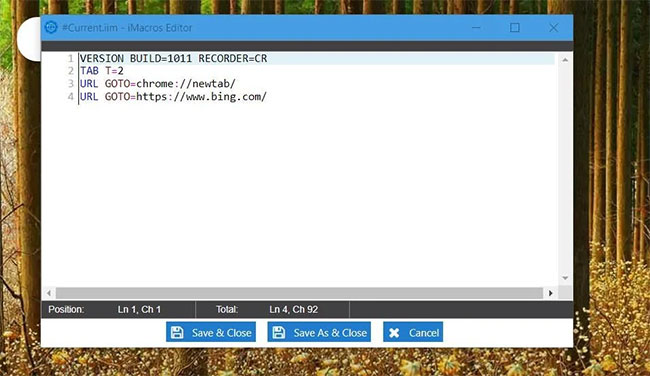
9. Enter a name for the macro and choose the OK option.
10. Then select the Play tab on the iMacros window.
11. Select the macro you just recorded on the Bookmarks tab in the iMacros window.
12. choose the Play Macro button.
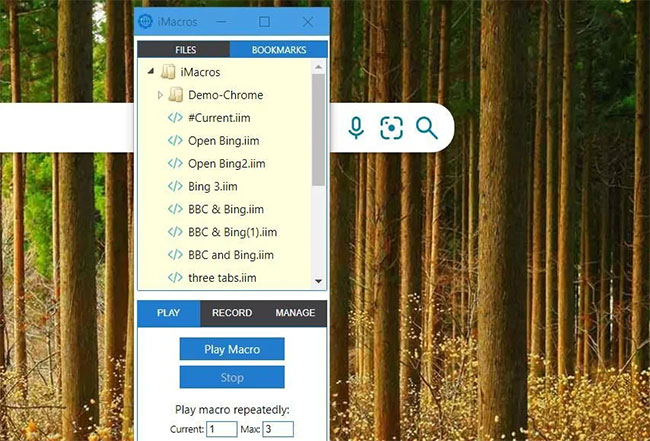
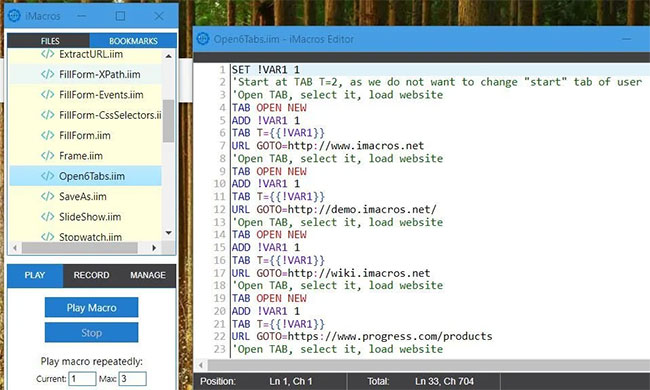
The iMacros extension also comes with a number of pre-recorded demo macros you can try out. choose the white arrow next to the Demo-Chrome folder in the extension window to expand it. You can then choose to play one of the demo macros.
You can edit the script for those demo macros to customize them to your needs. for instance, try changing the websites that the Open6Tabs macro opens by right-clicking on it and selecting Edit. Then, delete the website addresses in that script and replace them with the URLs for the websites you want the macro to open. Remember to choose Save & Close to apply your changes.
To open the options for the iMacros extension, choose Settings on the Manage tab. You can then configure the options on the iMacros Settings tab shown directly below. That tab includes playback speed options and a master password, among others.
How to Record Browser Macros with Wildfire
Wildfire is an iMacros alternative that offers unlimited macro recording without any action restrictions. This Chrome extension also integrates a unique flowchart workflow editor to modify macros.
You can record a Google Chrome macro with Wildfire as follows:
1. Open the Wildfire page.
2. choose the Add to Chrome button for Wildfire.
3. Once you have installed the extension, choose the Wildfire button on the URL toolbar in Chrome.
4. choose Start Recording to do that.
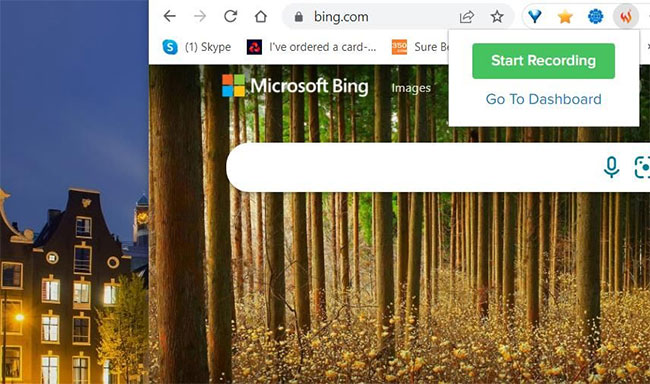
5. Perform the browse to record operation.
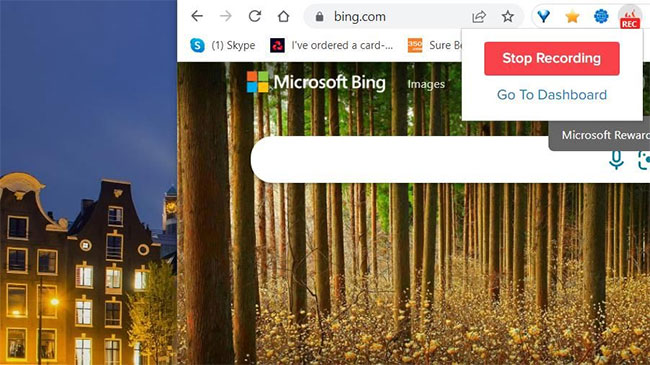
6. choose the Wildfire extension button to select Stop Recording when you have finished the macro.
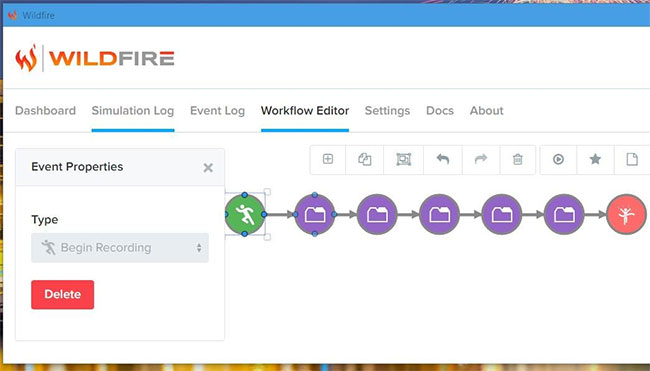
7. The extension's Workflow Editor tab, which displays the macro in a flowchart form, will then open automatically. choose the Favorite Workflow button there.
8. Enter a title for the macro and press the OK option .
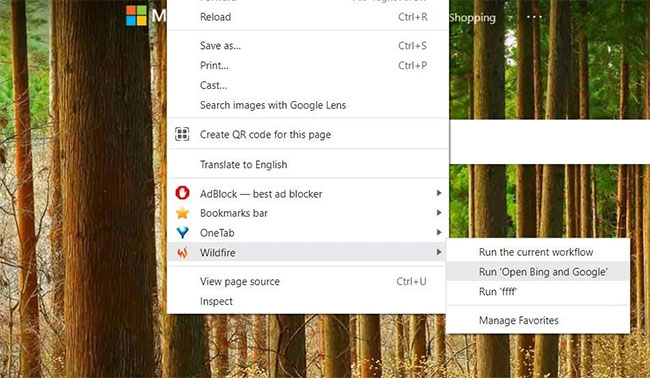
You can now choose to play recorded macros from Chrome's context menu. Right-select a web page and select the Wildfire option. choose the Run option for the recorded macro on the submenu to play the macro.
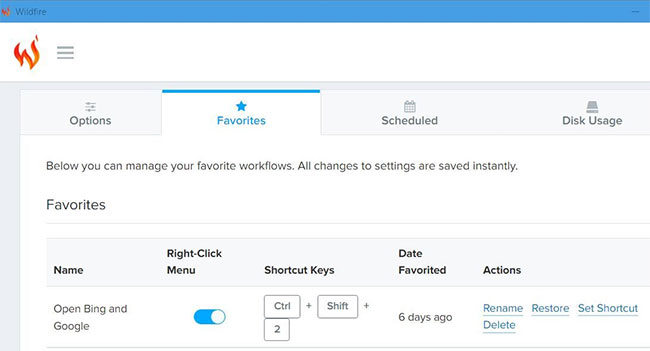
You can always edit your favorite macros after you record them. To do so, choose the Wildfire expansion button and select open Dashboard . Select Settings > Favorites in the Wildfire window to view your saved macros. Selecting the Restore option for a macro will reopen it in the Workflow Editor. There, you can modify the macro by modifying the event property circles (if not the nodes).
You can select other options for the macro from the Favorites tab. To add a keyboard shortcut to the macro, choose the Set Shortcut option on the Favorites tab. Then, select a key combination from the Set Shortcut drop-down menu and choose the OK button.
Wildfire includes a scheduler that lets you schedule macros to start automatically at specific times. Select Settings and Scheduled in the Wildfire window to open that tool. Then choose Add New Schedule to see the options as shown below.
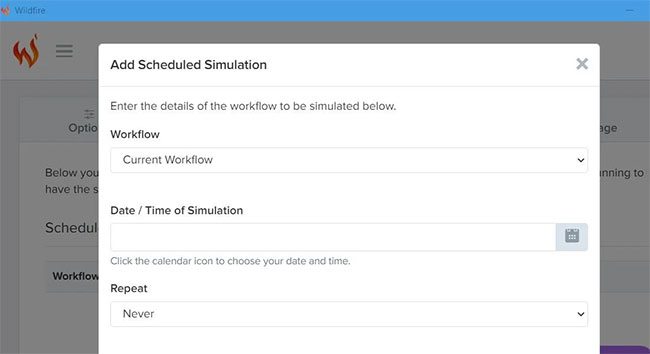
Select the macro you want to schedule from the Workflow drop-down menu. Then choose the schedule button for the Date/Time box to schedule the macro to run. You can configure the macro to replay by selecting an option from the Repeat drop-down menu. choose the Add schedule button to save the scheduled macro.
You can automate all sorts of browser-related tasks in Google Chrome (and other Chromium-based browsers) with both iMacros and Wildfire.
The iMacros extension is suitable for recording relatively short macros. Still, since iMacros has recording limitations, Wildfire may be a better choice for users who want to set up extended macros.
FAQ
What should I prepare before I record macros in google chrome?
Review the requirements and options in the guide first. Having the correct device, app version, account access, or materials ready helps prevent avoidable errors.
How long does it take to record macros in google chrome?
The time depends on the task and your setup. Most basic steps can be completed quickly, while downloads, updates, scans, or troubleshooting may take longer.
What should I do if the steps do not work?
Repeat the instructions in order, confirm that your software or device is supported, and check permissions, connectivity, and available updates before trying again.
Related Articles
 How to Automate Google Sheets with Macros7 minutes read
 How to Create Macros in Word 2007: Microsoft Word 20073 minutes read
 The Easiest Way to Use Macros in Excel8 minutes read
 Instructions on How to Create and Use Macros in Excel Create Macros, Save6 minutes read
 How to Delete Macros in Excel, Quickly Disable Macros3 minutes read
 MS Excel 2007 - Lesson 7: Create Macros in Excel 20072 minutes read
Reader Comments 0
Sign in with email or Google to join the discussion.