Table of Contents
This guide provides a clear, practical overview of "Dehydrating Foods That Not Everyone Knows". It organizes the most useful details, explains important considerations, and highlights the steps or choices that matter most.
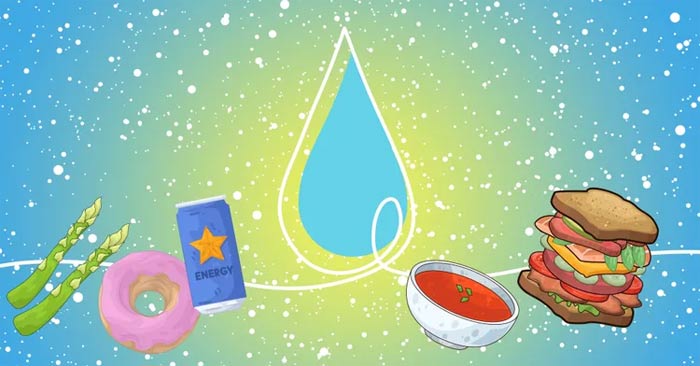
Water makes up 65% of the human body and is essential for supporting many bodily functions, including temperature regulation, digestion, energy levels, waste removal, and nutrient transport. Obviously, when you are dehydrated, your body has to work harder to function properly, which can lead to symptoms such as fatigue, headaches, dizziness, dry mouth, confusion, and dark urine. Chronic dehydration can lead to more serious problems, such as kidney stones and cardiovascular complications.
Drinking enough water helps maintain blood viscosity at the right level, helping the heart pump blood more efficiently. This also reduces the pressure on the cardiovascular system, helping to reduce the risk of high blood pressure and cardiovascular complications.
Although everyone knows that salty foods "suck" water from the body, few people think that the following foods can also cause dehydration.
Spicy food
Although spicy foods do not directly cause dehydration, they can contribute indirectly through sweating. The compound that causes this is capsaicin, the active ingredient in chili peppers that gives them their characteristic heat. Capsaicin activates receptors in the mouth and throat that cause the body to feel hot and sweat. It can also temporarily boost metabolism, increasing body temperature, which can promote further dehydration.
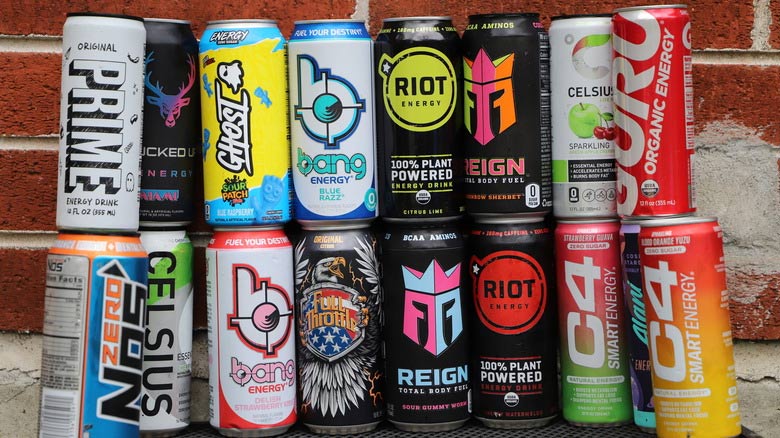
Energy drink
Although not technically a food, energy drinks can also contribute to dehydration. Energy drinks are often high in caffeine and sugar, which affect the way your body retains water. Caffeine and sugar act as diuretics in some people. This causes more dehydration.
Recent research suggests that consuming more than 500 milligrams of caffeine per day can cause polyuria, or increased urination. Even lower amounts—300 mg—can contribute to dehydration in people who don't regularly consume caffeine. Energy drinks can contain more caffeine than coffee or tea, making it easy to overdo it. Drinking multiple energy drinks per day can quickly exceed the recommended caffeine limit and increase your risk of dehydration.
Cold cuts sandwich
Deli meats are high in sodium and preservatives, which make your kidneys work harder to eliminate the excess salt, causing you to lose more water through your urine. For example, a slice of processed turkey contains 144 mg of sodium, while a slice of processed ham contains 123 mg of sodium.
Combine the cold cuts with other sandwich ingredients, such as relish, olives, and pickled jalapeños, and you have a meal that is high in sodium, which can easily lead to dehydration. Eating too much salt disrupts the balance between sodium and fluid in the body. Excess sodium in the blood pulls water out of cells to restore fluid balance, leading to cellular dehydration. This can make you feel thirsty, even though you're technically still drinking water.
Tomato soup
Tomatoes themselves may not be dehydrating, but the combination of ingredients in tomato soup can be.
Tomato soup may be mostly liquid, but it is often high in sodium, which causes your body to retain water in your tissues instead of effectively delivering it to your cells. This can have a dehydrating effect on your body. Additionally, combining classic grilled cheese with tomato soup increases the sodium content, which can make dehydration worse.
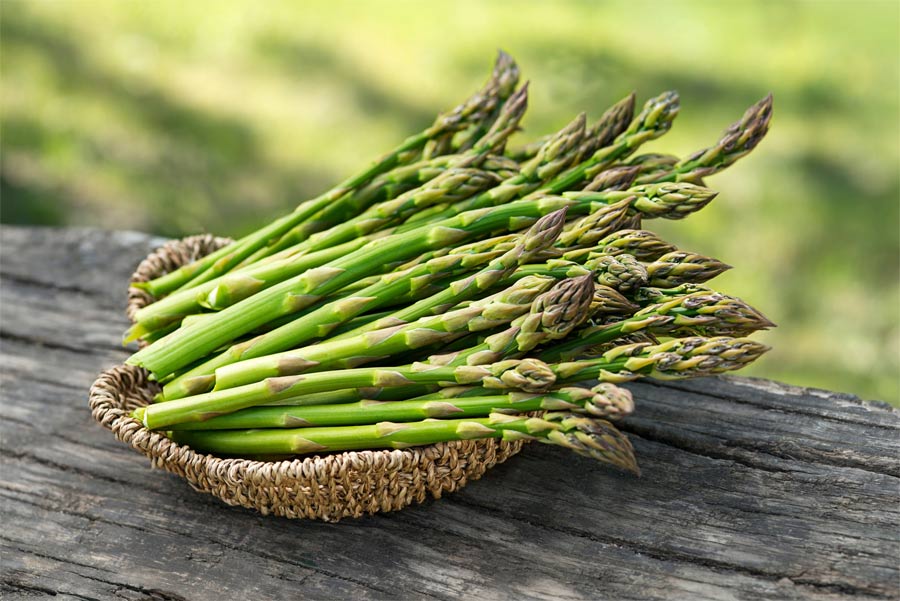
Asparagus
Despite its high water content, consuming large amounts of asparagus can leave you feeling dehydrated. This is because asparagus contains asparagine, an amino acid that has diuretic properties. If you're active on a hot day and your water intake is low, the increased urination triggered by arginine can make you feel a little thirstier.
However, you don't have to throw this nutritious vegetable out of your shopping cart. Instead, pay attention to portion sizes.
Sweets
Sugary foods like candy, cakes, desserts, and sugary cereals can dehydrate you. Sugary foods increase blood sugar levels, causing changes in fluid balance. When there is too much sugar in the blood, the body pulls fluid from cells to increase urine production to remove excess sugar and restore fluid balance.
FAQ
What should you know about spicy food?
Although spicy foods do not directly cause dehydration, they can contribute indirectly through sweating. The compound that causes this is capsaicin, the active ingredient in chili peppers that gives them their characteristic heat. Capsaicin activates receptors in the mouth and throat that cause the body to feel hot and sweat.
What should you know about energy drink?
Although not technically a food, energy drinks can also contribute to dehydration. Energy drinks are often high in caffeine and sugar, which affect the way your body retains water. Caffeine and sugar act as diuretics in some people. This causes more dehydration.
What should you know about cold cuts sandwich?
Deli meats are high in sodium and preservatives, which make your kidneys work harder to eliminate the excess salt, causing you to lose more water through your urine. For example, a slice of processed turkey contains 144 mg of sodium, while a slice of processed ham contains 123 mg of sodium.
What should you know about tomato soup?
Tomatoes themselves may not be dehydrating, but the combination of ingredients in tomato soup can be.
Related Articles
 Foods That Are Bad for Your Kidneys: Explained7 minutes read
 Foods High in Cholesterol: What Should Be Eaten? What Type Should7 minutes read
 6 Foods Should Not Be Reheated in the Microwave5 minutes read
 Foods and Drinks to Avoid When Sick: Explained5 minutes read
 Top 7 Foods That Contain the Most Zinc4 minutes read
 The List of Foods That Contain the Most Iron Is Easy to Find5 minutes read
Reader Comments 0
Sign in with email or Google to join the discussion.