Table of Contents
This updated guide explores causes of sudden increase in cholesterol in the body with practical details, clear explanations, and useful takeaways. It is essential to know which factors can cause cholesterol to rise more quickly than others, because consistently high cholesterol levels can increase your risk of certain heart diseases.

Cholesterol is a waxy, fat-like substance. Your body needs a certain amount of cholesterol to make cell membranes, vitamin D, etc. Your liver naturally makes all the cholesterol it needs. Still, certain health conditions and behaviors can increase the amount of cholesterol in your blood.
High blood cholesterol can be dangerous to your health. It increases your risk of heart disease and stroke.
According to the Centers for Disease Control and Prevention (CDC), high blood cholesterol is considered 200 milligrams per deciliter (mg/dL) or higher. A healthy cholesterol level is below 200 mg/dL.
Some factors can cause cholesterol to rise faster than others. Here are the details.
Drink Too Much Coffee
Thanks to its caffeine content, coffee is often associated with a rapid spike in blood pressure. But coffee can raise your blood cholesterol levels.
A 2023 study found a link between drinking four cups of coffee a day and increased total cholesterol and LDL cholesterol (the 'bad' cholesterol). But some types of coffee may cause cholesterol to rise faster than others.
In a small 2018 week-long study involving young adults, researchers linked espresso drinks to higher cholesterol. The study noted that espresso drinks contained more diterpenes than filtered or instant coffee.
To minimize your risk of high cholesterol from coffee, consider limiting drinks containing espresso.

Psychological Pressure
Stress and cholesterol levels are also linked. Psychological stress can increase the risk of high LDL and total cholesterol. This may be because of the hormone cortisol, which spikes during times of stress. According to a 2020 article, high cortisol levels have the effect of increasing cholesterol in the body.
To reduce your risk of high cholesterol because of stress, you can try stress management techniques such as exercise, meditation, and breathing exercises.
Smoke
Smoking is another cause of a spike in cholesterol levels. This is because of nicotine, the main ingredient in tobacco products. Nicotine reduces the amount of HDL ('good') cholesterol in the blood, which helps remove LDL cholesterol.
The best way to reduce your risk of high cholesterol from smoking is to avoid or quit smoking.
Medicine
Some medications can increase cholesterol in the body. These include prescription drugs such as:
- amiodarone
- danazol
- some diuretics
- SGLT2 inhibitors
- retinoid
- anticonvulsant
- immunosuppressant
- antiviral drugs
- growth hormone
- interferon
In general, these drugs increase blood cholesterol levels by altering lipid metabolism. Some drugs, such as antipsychotics, can increase cholesterol by promoting weight gain.
Pregnant
During pregnancy, it is natural for blood cholesterol to increase by 30% to 40%. This is because cholesterol is essential for the healthy growth and development of the fetus.
According to a 2021 article, high cholesterol levels during pregnancy are associated with increased levels of:
- estrogen and progesterone
- placental lactogen
- insulin resistance
Still, cholesterol can increase too much during pregnancy. This condition is called gestational hypercholesterolemia or maternal hypercholesterolemia.
Your doctor can help control this condition by recommending dietary changes and prescribing lipid-lowering medications.
To prevent drug-induced high cholesterol, talk to your doctor. They can determine your risk and, if necessary, change your medication or dosage. There may be another drug in the same class that is less likely to raise your cholesterol.
Lose Weight Fast
Another potential cause of a temporary increase in cholesterol is rapid weight loss. In a small 2019 study, three adults lost weight rapidly by following a very low-calorie diet. In all three cases, their LDL cholesterol spiked temporarily before returning to normal levels. This may be related to changes in metabolism, the researchers said.
People who follow a ketogenic diet to lose weight quickly may also experience a spike in cholesterol levels. to lose weight, be sure to work with a health care professional. They can help you lose weight safely and provide guidance about health-related side effects, such as a sudden increase in cholesterol.
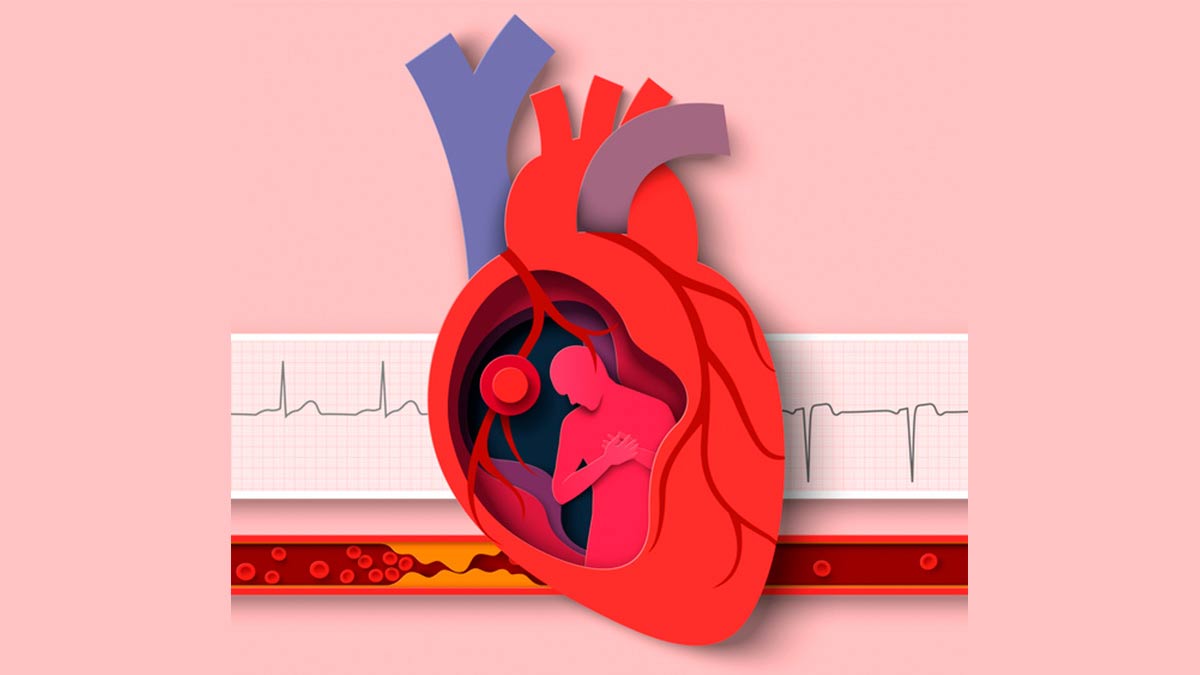
In summary, certain behaviors or conditions can cause a sudden increase in blood cholesterol levels. These include drinking many coffee, losing weight rapidly, smoking, and psychological stress. Pregnancy and taking certain medications, such as diuretics, antivirals, or steroids, can cause a rapid increase in cholesterol levels.
High cholesterol levels can increase your risk of heart disease and stroke. It is essential to take steps to address sudden increases in cholesterol.
The only way to know if you have high cholesterol is to have a blood test. Your doctor can determine if you are at risk for high cholesterol because of short-term or long-term causes.
FAQ
What is the main takeaway about Causes of Sudden Increase in Cholesterol in the Body?
The key is to understand the core idea, compare the available options, and apply the practical guidance that matches your situation.
What should beginners know about Causes of Sudden Increase in Cholesterol in the Body?
Start with the essential steps and terminology. Avoid changing advanced settings until you understand how they affect performance, privacy, cost, or compatibility.
How can I use this information in practice?
Follow the relevant section in order, test one change at a time, and confirm the result before moving to the next step or recommendation.
Related Articles
 What Is Cholesterol? Distinguish Good Cholesterol and Bad6 minutes read
 Foods High in Cholesterol: What Should Be Eaten? What Type Should7 minutes read
 High Cholesterol: How to Reduce Blood Cholesterol Effectively?8 minutes read
 Top 7 Foods That Help Reduce Blood Cholesterol Best7 minutes read
 High Cholesterol Can Make Arthritis Worse3 minutes read
 Finding New Ways to Study Cholesterol Distribution on Cells4 minutes read
Reader Comments 0
Sign in with email or Google to join the discussion.