Table of Contents
This guide provides a practical overview of Boot Windows Server 2016 into Recovery Environment, including its main features, benefits, limitations, and important considerations.
- Fix boot errors
- Uninstall problematic Windows updates
- Restore the server to the previous restore point
- Access the Safe Mode boot option
Whatever reason you need to start Windows Server 2016 Recovery Mode, this guide will provide two options for doing this.
1. Boot into Windows Server 2016 Recovery Mode without installation media
If you do not have access to the Windows Server 2016 installation media (DVD or USB), you can still boot into Recovery Mode.
Here are the steps to take:
Press the power button to start the server. When the white circles start showing, press the power button to turn off the server power.
 Press the power button to start the server
Note : The image in the example shows Hyper-V because the article author is running this demo with the VM. Your server will display the manufacturer name. All you need to keep in mind is when the circles appear. Then turn off the server power.
Turn the power back to the server. Then turn it off when the boot circle appears.
When you start the server a third time, it will start Preparing Automatic Repair . This process can take 2 to 5 minutes (depending on your server). Please wait patiently.
 When you start the server a third time, it will start Preparing Automatic Repair
Then it will boot into Recovery Mode! To display the Recovery Mode options, click Troubleshoot.
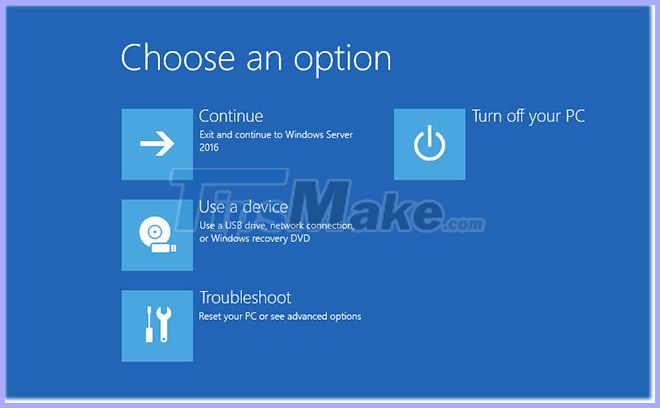 To display the Recovery Mode options, click Troubleshoot
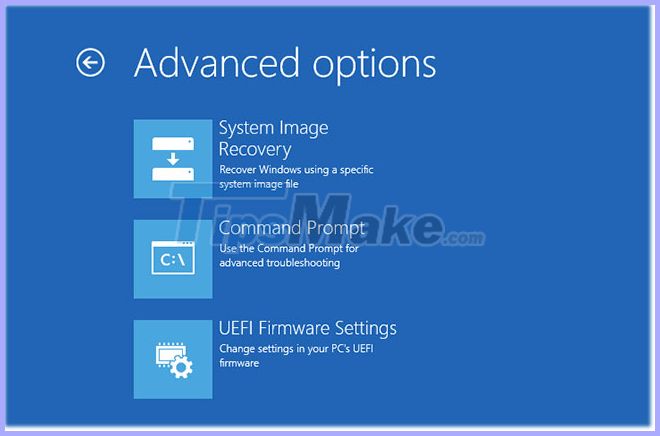
When you click Troubleshoot , the Advanced options screen below is displayed.
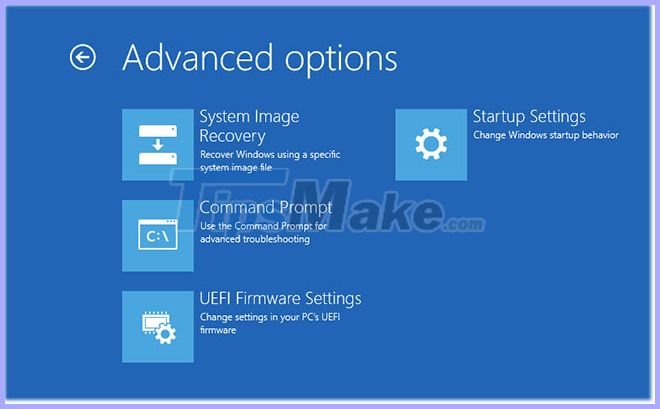 The Advanced options screen appears
The options are explained below:
- System Image Recovery : Click this option if you have previously enabled the system recovery feature and have available restore points available.
- Command Prompt : This option will load a Command Prompt. You can then run the cmd commands. A very useful command to fix most problems is DISM. exe / Online / Cleanup-Image / Restorehealth .
- UEFI Firmware Settings : When you click this option, the server will boot into UEFI BIOS.
- Startup Settings : This is a 'hidden gem'! Startup Settings gives you Safe Boot boot options.
2. Boot into Windows Server 2016 Recovery Mode from the installation media
To boot into Recovery Mode with a DVD or USB containing Server 2016, do the following:
Insert media into server (USB or DVD).
Then modify the boot sequence to boot from the above media.
Power on the server. Carefully pay attention to this screen to confirm booting from CD or DVD. Then press any key to continue.
At Windows Boot Manager , select Windows Setup [EMS Enabled] . Then press Enteron the keyboard.
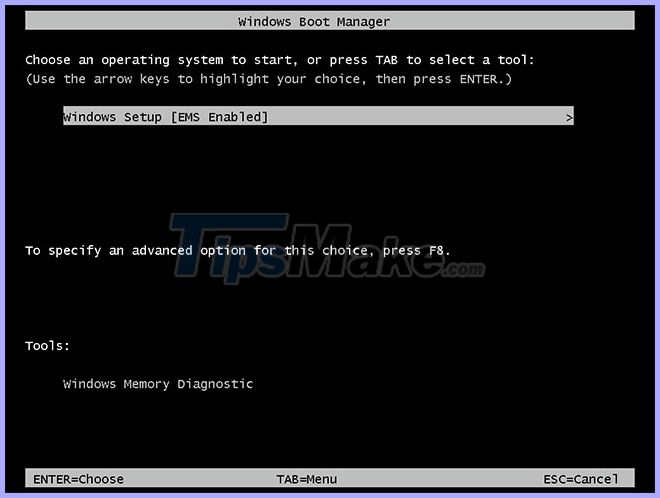 Select Windows Setup [EMS Enabled]
At the Windows Server 2016 installation screen, click Next.
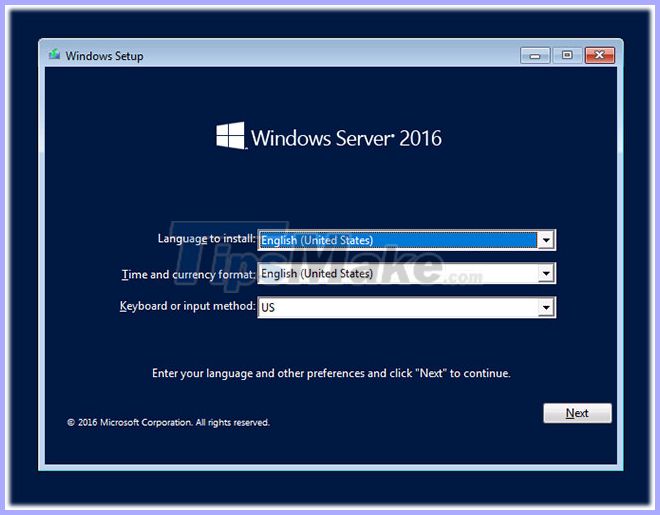 Windows Server 2016 installation screen
Then click on Repair your computer .
After about a minute, Recovery Mode will be displayed. This is the same page booting into Recovery Mode as the first method.
As in the first method, to display the Recovery Mode option, click on Troubleshoot. But, as you can see, this provides fewer repair options. It only provides the first 3 options and does not include Startup Repair.
 There are only 3 options, excluding Startup Repair
FAQ
What should I know about Boot Windows Server 2016 into Recovery Environment?
Focus on the key features, requirements, limitations, and practical use cases explained in this guide.
How do I get the best results with Boot Windows Server 2016 into Recovery Environment?
Follow the recommended steps, use current software or information, confirm compatibility, and review settings before major changes.
Are there any risks or limitations?
Potential limitations depend on compatibility, data quality, cost, privacy, support, and how the product or method is used.
Related Articles
 What Is Windows Recovery Environment? How Does Winre Work?8 minutes read
 Enable / Disable Windows Recovery Environment (WinRE) in3 minutes read
 How to Import Recovery Console in Windows XP?5 minutes read
 How to Install Dual Boot Windows 10 and Windows Server8 minutes read
 Install and Use Recovery Console in Win XP14 minutes read
 How to Remove Updates from Windows Recovery Environment (Winre)4 minutes read
Reader Comments 0
Sign in with email or Google to join the discussion.