Table of Contents
This guide provides a practical overview of Create a New Local User Account in Windows Server 2016, including its main features, benefits, limitations, and important considerations.
 You cannot open a computer application with an admin account
Anyway, creating a new user account in Windows Server 2016 is not much different from previous versions of Windows Server, very quickly and simply. Here is how to do it.
Right-click the Start menu and then click Computer Management.
 Go to the Start menu, select Computer Management
Then expand Local Users & Groups and right-click Users and select New User:
 Right-click on Users and select New User
Fill in the New User creation form that appears. Remember to choose Password never expires at the bottom:
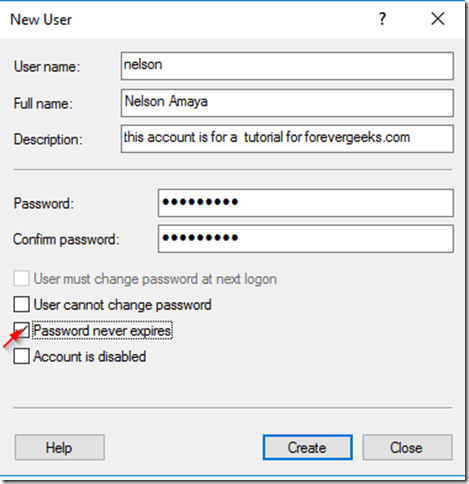 Fill in the New User creation form that appears
Then click on Create.
If you want to add this account to the Administrators group, click the Groups folder under Local Users and Groups and double-click the Administrators group:
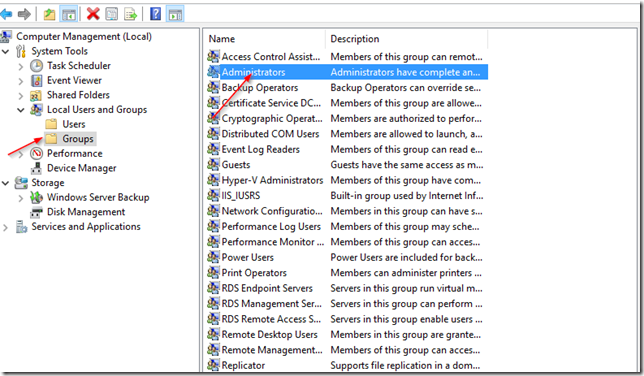 Click the Groups folder under Local Users and Groups and double click the Administrators group
Then, click Add on the screen that appears, enter the name of the account you just created, then click Apply> OK.
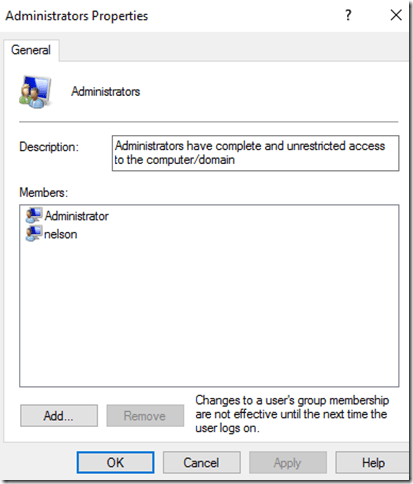 Click Add on the screen that appears, enter the account name you just created, then click Apply> OK
Log out of the admin account:
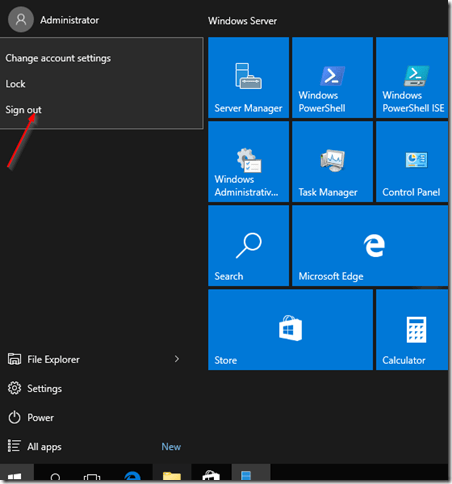 Log out of the admin account
Finally, log back in with the account you just created. Now the computer application will open without any problems!
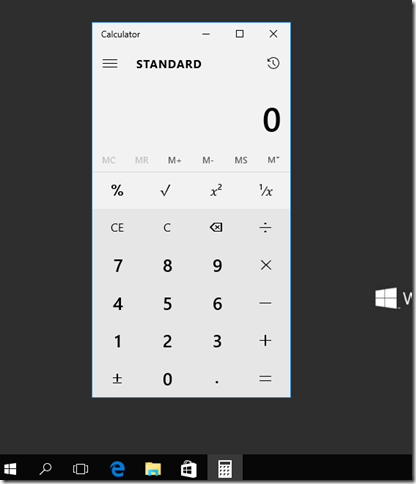 The computer application will open without any problems
FAQ
What should I know about Create a New Local User Account in Windows Server 2016?
Focus on the key features, requirements, limitations, and practical use cases explained in this guide.
How do I get the best results with Create a New Local User Account in Windows Server 2016?
Follow the recommended steps, use current software or information, confirm compatibility, and review settings before major changes.
Are there any risks or limitations?
Potential limitations depend on compatibility, data quality, cost, privacy, support, and how the product or method is used.
Related Articles
 Steps on How to Create a Local User Account in Windows 108 minutes read
 Password: How to Create a New Local User Account in Windows 104 minutes read
 How to Create a Local Account While Setting up Windows 104 minutes read
 How to Create a New User on Windows 117 minutes read
 How to Create a New User on Windows 10 Using Computer Management5 minutes read
 Distinguish Local Accounts and Microsoft Accounts on Windows 86 minutes read
Reader Comments 0
Sign in with email or Google to join the discussion.