Table of Contents
This updated guide explores AI application detects anemia through nail photos with practical details, clear explanations, and useful takeaways. Anemia is a medical condition that affects about 2 billion people worldwide, characterized by a decrease in the number of red blood cells or hemoglobin (Hgb) levels, leading to poor oxygen-carrying capacity.
Method and Accuracy
Instead of requiring traditional blood tests (like a complete blood count, Hgb measurement, or peripheral blood smear), the app allows users to take a photo of their fingernails with their smartphone. An AI algorithm is trained to assess nail color and estimate the risk of anemia. Results from a clinical trial of 200,000 subjects in the United States showed:
- Sensitivity 89% and specificity 93%, equivalent to gold standard laboratory tests.
- AI-based personalization reduces error rates by 50% in patients with previously diagnosed anemia.
- More than 1 million reviews were conducted as part of the study.
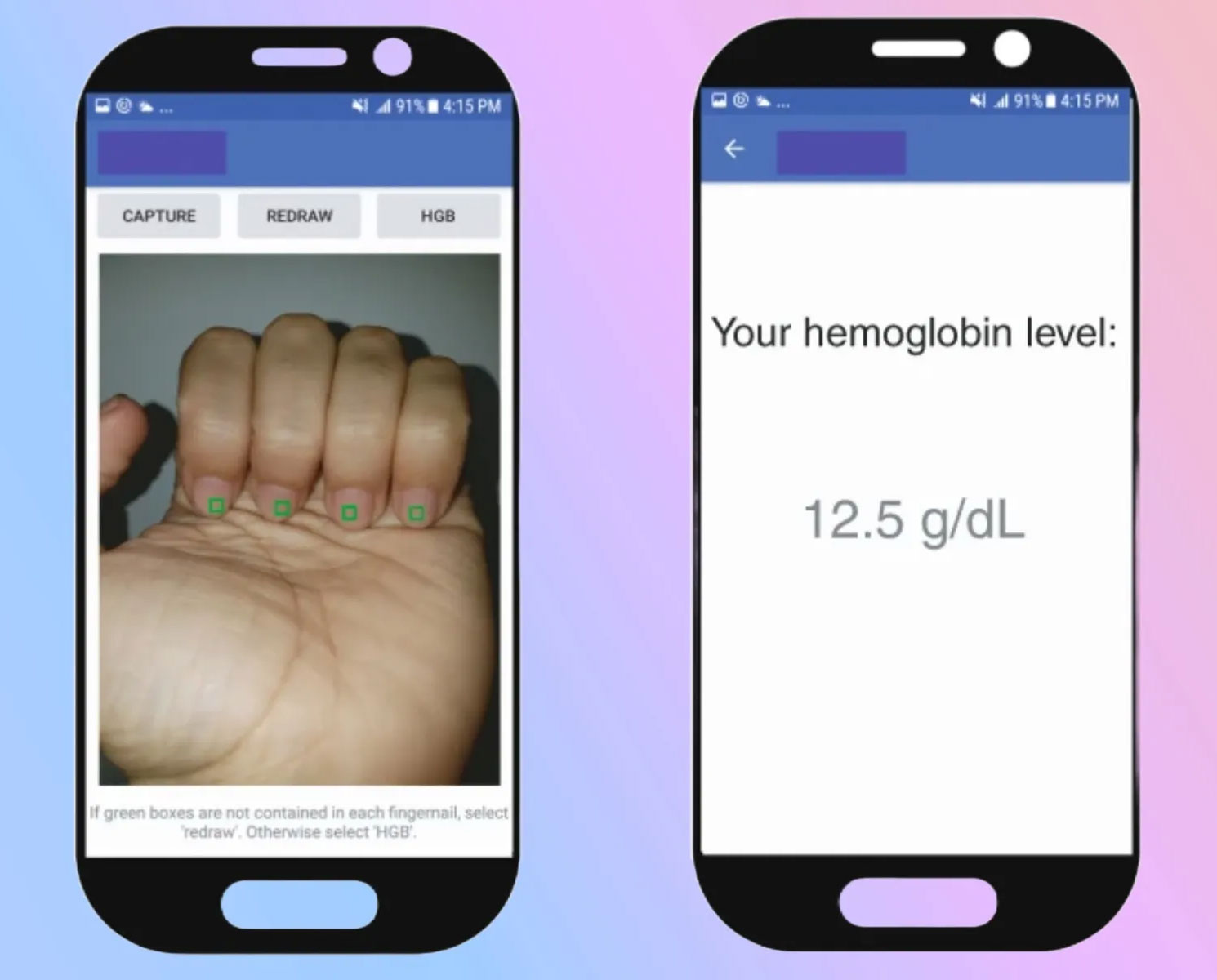
The Role of Applications in the Healthcare System
The team emphasizes that the app is not a replacement for a professional medical diagnosis, but rather serves as a personal health monitoring and early warning tool. The app is particularly useful in these cases:
- Patients with chronic anemia (eg, chronic kidney disease, cancer) need regular monitoring of Hgb levels.
- High-risk populations in areas with poor access to health services.
- The system integrates geolocation functionality to generate county-level anemia prevalence maps in the United States – a tool to support public health surveillance.
Sanguina's AnemoCheck app was tested in India in 2020 as a community screening solution, but was not approved for official medical use. Chapman University's new version is expected to outperform it by:
- Deep learning mechanism: Optimize models based on individual user data.
- Extensive database: Connect with health systems to update epidemiological trends in real time.
- Wide Accessibility: Reduce the cost burden for hundreds of millions of users.
Still, experts also note: "Abnormal results from the app need to be confirmed with standard medical tests." The study, published in the journal Proceedings of the National Academy of Sciences (PNAS), affirms the potential of AI to revolutionize global anemia screening.
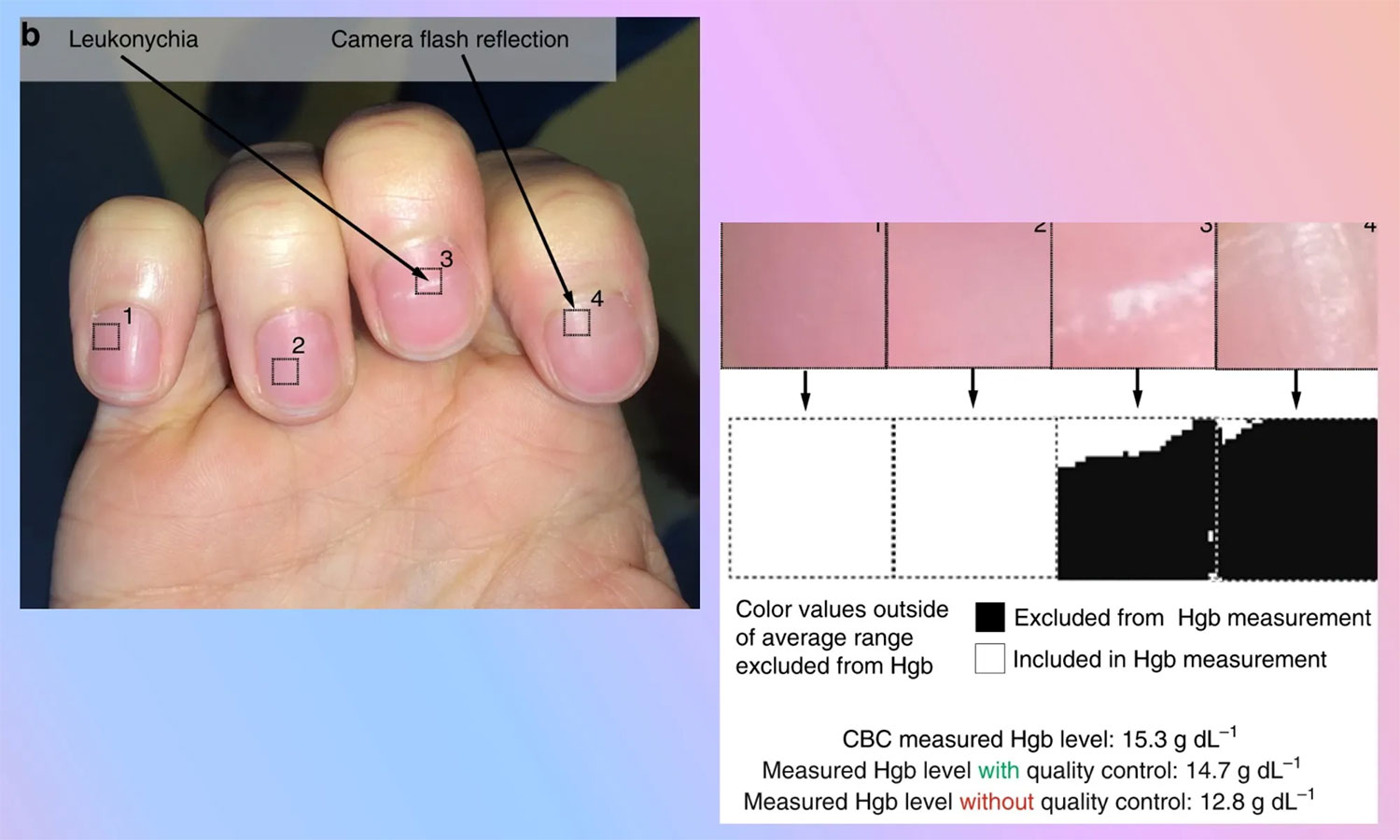
Essentially, the application of AI to analyze fingernails represents a step forward in preventive medicine, combining digital technology and public health. Still, integration into the healthcare system requires further research on long-term effectiveness and reliability in diverse populations.
FAQ
What is the main takeaway about AI Application Detects Anemia Through Nail Photos?
The key is to understand the core idea, compare the available options, and apply the practical guidance that matches your situation.
What should beginners know about AI Application Detects Anemia Through Nail Photos?
Start with the essential steps and terminology. Avoid changing advanced settings until you understand how they affect performance, privacy, cost, or compatibility.
How can I use this information in practice?
Follow the relevant section in order, test one change at a time, and confirm the result before moving to the next step or recommendation.
Related Articles
 99+ Best Nail Models4 minutes read
 What Is the Reason Why Many People Like to Bite Their Nails so Much9 minutes read
 What Will Happen to Your Body After 10 Hours of Nail Polish7 minutes read
 What Should People Eat When They Are Short of Blood, Should They5 minutes read
 The Pregnant Woman Is Anemic and Should Eat Well for Her Mother7 minutes read
 Does Donating Blood Cause Anemia?4 minutes read
Reader Comments 0
Sign in with email or Google to join the discussion.