Table of Contents
How to Share Internet Connection: Turn Windows 8 Laptop Into is easier to understand when the core ideas are paired with practical examples. The sections below explain the topic clearly, highlight useful steps, and point out details that can prevent common errors.
To enable wireless network connection sharing on Windows 8, follow the steps below.
Windows 7 has an Internet connection sharing function via ad-hoc protocol. However, on Windows 8 this function has been disabled, or more accurately hidden. Although it is unclear what the cause of this is from Microsoft, we can see the inconvenience. Want to share network connection via wireless waves, people often have to install an additional third-party program such as Connectify .
However, Microsoft does not "lock" this feature completely. To enable wireless network sharing, follow the steps below:
Step 1: Prepare the network card
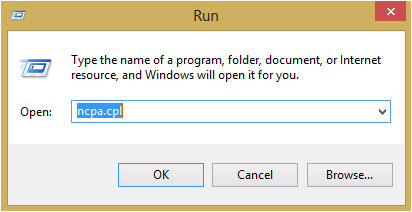
- Press Windows + R key combination, type ncpa.cpl to access the network card management window.
Right-click the wireless network card and select Properties.

- Go to the Sharing tab , select the first option and uncheck the second option to allow other devices to use your device's Internet connection. Select the network card that has an Internet connection to share.
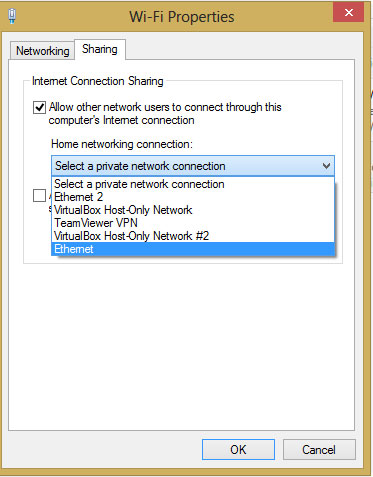
- OK and exit.
Step 2: Tips with the command line
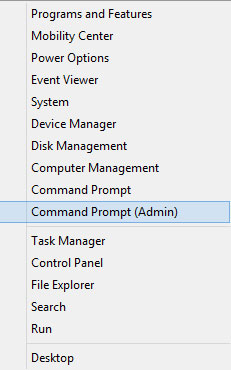
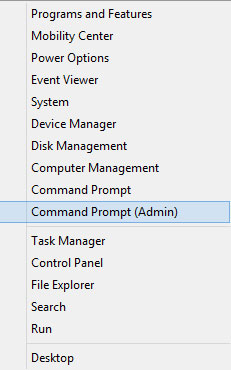
- Press Windows + X key combination or right click on the lower left corner of the screen, run Command Prompt window under Admin , select Ok when a message appears.
- Type the command line:
For instance,:
With the SSID is the network name you want others to see, and the key is the password of that network. With this password, your connection is protected by the WPA2-PSK (AES) security mechanism.
After finishing this step, by default, other people still cannot see your network because Windows has not activated the network name promotion service.
- Activate network name promotion mode:
Here, the work is completed. If you want to display information about the machines connecting to your network, use the command:
FAQ
What should you know about step 1: Prepare the network card?
- Press Windows + R key combination, type ncpa.cpl to access the network card management window.
What should you know about step 2: Tips with the command line?
- Press Windows + X key combination or right click on the lower left corner of the screen, run Command Prompt window under Admin, select Ok when a message appears.
What is How to Share Internet Connection: Turn Windows 8 Laptop Into?
To enable wireless network connection sharing on Windows 8, follow the steps below.
Related Articles
 Access Point Wi-Fi: How to Using Your Phone as a Wi-Fi Hotspot3 minutes read
 How to Play Wi-Fi on Laptop with Free Wi-Fi Hotspot Creator2 minutes read
 How to Share a VPN via Wi-Fi Hotspot from a Laptop4 minutes read
 How to Play Wi-Fi from Laptop on Windows 7, Windows 8 Easily5 minutes read
 What Is Wi-Fi Hotspot: What Is Hostspot Wi-Fi and Are They Safe?8 minutes read
 How to Play Wi-Fi Win 7 - Create a Hotspot on Windows 7 Laptop Simple and4 minutes read
Reader Comments 0
Sign in with email or Google to join the discussion.