Table of Contents
Climate change combined with deforestation is pushing the Amazon – the Earth's 'green lungs' – closer to the threshold of turning into arid grassland within the next century.
The world's largest tropical rainforest may be approaching an ecological 'breaking point,' a study published on August 1 in the journal Geophysical Research Letters warns. Scientists used a 'single-column model' - a simulation of a single point representing the entire Amazon basin - to assess the combined effects of climate change and deforestation. The results showed that when the Amazon passes three dangerous thresholds: a 65% decrease in forest area; a 10% decrease in moisture from the Atlantic Ocean ; and a 6% decrease in rainfall, even a small change in climate or forest cover could push the ecosystem from rainforest to grassland.
This conversion system operates in a closed loop:
- Plants absorb water from the soil and release moisture into the atmosphere through their leaves.
- Moisture creates clouds, rain returns to nourish plants.
If trees are lost, evapotranspiration and rainfall will drop dramatically, causing the soil to dry out and forests to rapidly turn to grasslands. This could be due to deforestation or to climate change reducing the amount of moisture coming into the region from the Atlantic Ocean.
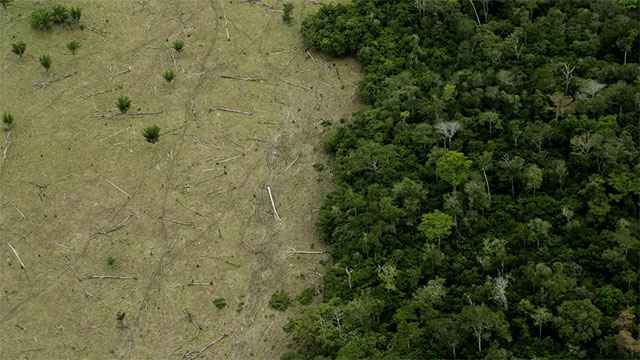
The Amazon rainforest covers more than 6 million km² , contains about 10% of all species on the planet and stores 90 – 140 billion tons of carbon . On average, the region receives more than 1,800mm of rain each year, playing an important role in the global water and carbon balance, thereby regulating the planet's climate.
That said, the Amazon is under increasing pressure from drought, wildfires, climate change and deforestation. In 2024 alone, the Brazilian Amazon lost about 28,000 square kilometers of forest, according to a report by the World Resources Institute.
Final Thoughts
The development covered in this article is worth following, but specifications, dates, and feature details may change until the relevant company or organization publishes an official confirmation.
FAQ
What is the main development covered in this article?
Climate change combined with deforestation is pushing the Amazon – the Earth's 'green lungs' – closer to the threshold of turning into arid grassland within the next century.
What should you know about the key details?
The world's largest tropical rainforest may be approaching an ecological 'breaking point,' a study published on August 1 in the journal Geophysical Research Letters warns.
Is every reported detail officially confirmed?
Not necessarily. Product leaks, preview builds, research reports, and early announcements can change. Confirm important specifications, dates, and availability through an official source before making a decision.
Related Articles
 Amazon Forest Fire, Red Carbonated Co Map of NASA3 minutes read
 Half of the Wild Animals of Large Forests May Disappear as the Planet Heats Up5 minutes read
 Apple Card Vs. Amazon Prime Rewards Visa: Which Credit Card8 minutes read
 Amazon Boss Deployed Delivery Service to Compete with UPS and FedEx3 minutes read
 Looking Back at Amazon's 20176 minutes read
 Amazon Lens Live Launches: Live Shopping Using Cameras and AI3 minutes read
Reader Comments 0
Sign in with email or Google to join the discussion.