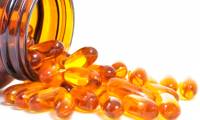
vitamin d
-
 Why can taking vitamin D at the wrong time cause metabolic disorders?
vitamin d is a substance that helps strengthen bones and boost immunity. however, if you supplement with vitamin d at the wrong time, your body's metabolism will be affected.
Why can taking vitamin D at the wrong time cause metabolic disorders?
vitamin d is a substance that helps strengthen bones and boost immunity. however, if you supplement with vitamin d at the wrong time, your body's metabolism will be affected.
-
How to Get Enough Vitamin D Without Supplements
does a few minutes of sunbathing provide enough vitamin d for your body? if you are still wondering and do not know how to get enough vitamin d without taking supplements, please refer to the instructions below.
-
Warning signs that you are lacking Vitamin D
an estimated 1 billion people around the world are deficient in vitamin d. the number is huge, and lack of this nutrient can lead to many health problems that you need to be aware of.
-
Higher vitamin D levels may increase bone density in newborns
higher vitamin d levels in preterm infants may prevent rickets.
-
Vitamin D supplementation reduces the risk of severe asthma by half
a recent study found that vitamin d supplementation can halve the risk of asthma, even in mild to moderate asthma patients.
-
Unexpected effects of lazy sunbathing
staying in the house is not good - this is certainly known by many people. however, it is not good to what extent, do you know?
-
Vitamin D: effective and effective supplement
vitamin d has many important effects on the body from keeping strong bones to strengthen the immune system ... let's learn about the great uses of vitamin d as well as the time and way of good supplements most to have a healthy body.
-
Add Vitamin D to your treatment regimen, help reduce asthma attacks
a new finding reveals the importance of vitamin d with controlling asthma attacks in many patients.
-
Did you know: Vitamin D helps reduce pulmonary tuberculosis symptoms in cows
not only is the vitamin component in hand reducing the symptoms of pulmonary tuberculosis in the human body, but a new finding shows that vitamin d also promotes superior medical effects on animals, namely cows.
-
Vitamin D deficiency in newborns is at risk of autism
low levels of vitamin d in newborns are associated with an increased risk of autism disorder (asd) at age three.
 Home
Home
 Wifi Tips
 Fix Computer
 Windows 10
 Windows 11
 Artificial Intelligence
 Space Science
 Strange story