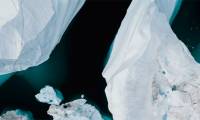
The Arctic hasn't been this warm in over 3 million years.
scientists predict that the arctic will be completely ice-free in the summer within the next two decades.
scientists predict that the arctic will be completely ice-free in the summer within the next two decades.
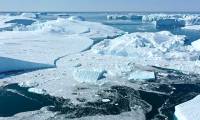
melting ice due to climate change is the main cause of rising sea levels, threatening the lives of coastal communities and especially the wildlife that depend on the ice.

jyvaskylavirus – the first giant virus found in finland – shows that this group of viruses is more common than expected and plays an important role in ecosystems.

it is the furthest point on earth in the north, where all meridians meet ...

antarctica is home to our usual hole in the ozone layer. this year, the arctic is getting in on the action.
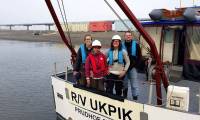
marine sediments are a huge reservoir of methane.