Table of Contents
This practical guide walks through steps to fix Windows computer screen not turning off after, explains the main requirements, and highlights common issues that may appear along the way.
1. Check Power & sleep settings
Power & sleep is the first setting that you need to check. Here's how you can do it:
Step 1: Click Start, then go to Settings > System.
Step 2: From the left menu, select Power & sleep.
Step 3: Check the Screen section.
Step 4: If the options are set to Never, you need to adjust them again. You can set options when the laptop is on battery power or when the computer is plugged in.
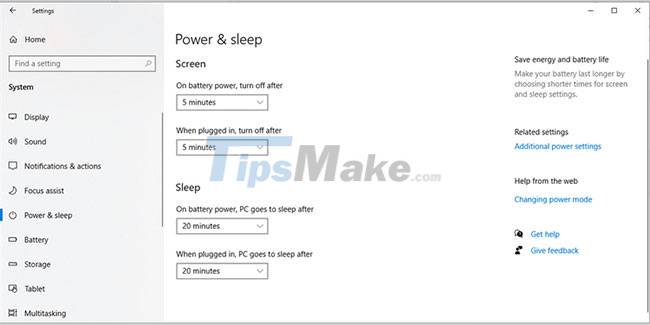
After you have changed the Screen settings, look at the Sleep settings. Although you can turn on your laptop or PC while the screen is off, it can create conflicts if the Sleep settings are not appropriate.
To avoid any problems, make sure the On battery power, PC goes to sleep and When plugged in PC goes to sleep after options are set to Never.
2. Run Power Troubleshooter
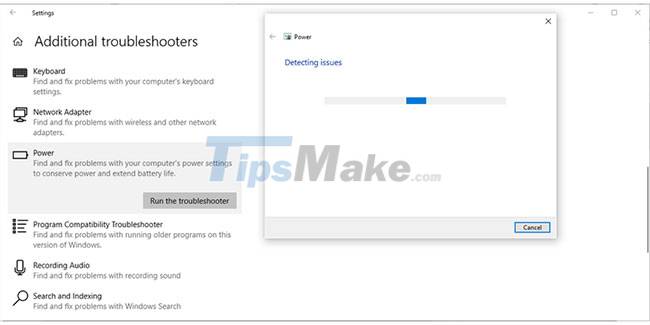
The computer screen that does not turn off after the set time indicates a power related problem. This is why running Power Troubleshooter can fix the problem. Here's how you do that:
Step 1: Click Start, then go to Settings > Update & Security.
Step 2: From the menu on the left, select Troubleshoot.
Step 3: Click Additional troubleshooters and scroll down to Find and fix other problems.
Step 4: Click Power > Run the troubleshooter.
Step 5: Follow the on-screen instructions to fix the problem.
3. Search for apps running in the background
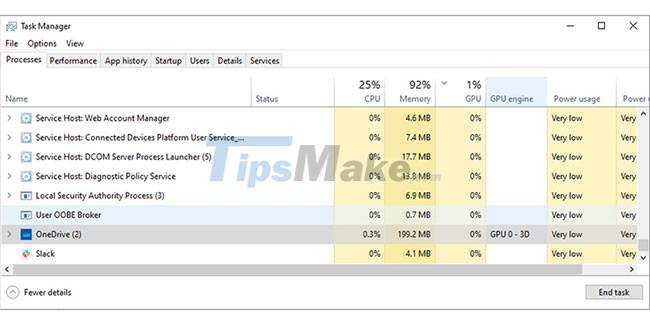
An app can keep running without you realizing it, and it prevents your device from turning off the screen or going to sleep. For example, the Windows 10 assistant, Cortana, can continue to be activated by certain keywords. Also, if you have open cloud storage or any other online sync application running, you should close it.
The best way to fix this is to check the Task Manager:
Step 1: Right-click on the taskbar and select Task Manager.
Step 2: Select the Processes tab.
Step 3: Select an application and click End task.
4. Check advanced power settings
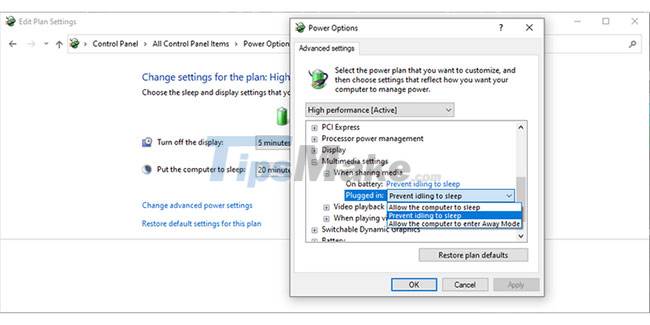
If you are copying a large folder from your device to an external USB and the screen does not turn off after the set time, you need to look into the advanced power settings:
Step 1: In the Start menu search bar, find Control Panel and select the best match.
Step 2: From the View by menu, select Large icons or Small icons.
Step 3: Click Power options > Change plan settings > Change advanced power settings.
Step 4: In the Power Options window, go to Multimedia settings > When sharing media.
Step 5: Select Prevent idling to sleep for On battery and Plugged in.
Step 6: Click Apply > OK.
5. Check Peripherals
When USB devices keep disconnecting and reconnecting, they prevent Windows 10 from turning off the screen. You can fix this problem by unplugging all USB devices like keyboard, mouse, external hard drive etc. and check if this solves the problem. If this fixes the problem, connect your devices one by one to find out which USB device is causing the problem.
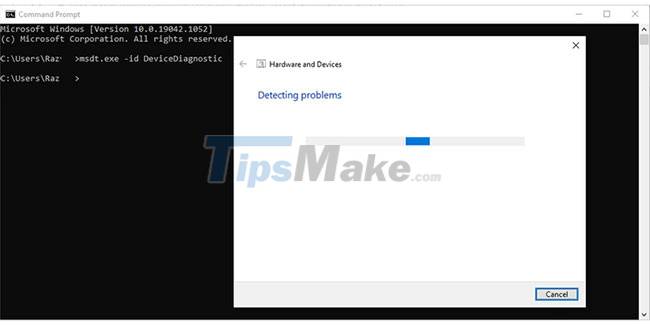
In the event that the problematic USB device cannot be identified, it is recommended that you run the Windows 10 troubleshooter. As it may take a while to run the individual troubleshooter for the keyboard, Bluetooth, or printer, due to Then you should use the Hardware and Devices troubleshooter.
Follow these steps:
Step 1: Open Command Prompt with admin rights.
Step 2: Enter:
msdt.exe -id DeviceDiagnostic
Step 3: Press the Enter button. This will open the Hardware and Devices troubleshooter.
Step 4: Click Next to begin the troubleshooting process.
Note: A malfunctioning USB port can also cause this problem.
Good luck with your troubleshooting!
Key Takeaways
Use the information above as a practical reference for steps to fix Windows computer screen not turning off after. Review each step carefully, confirm any requirements, and choose the option that best fits your situation.
FAQ
What does this guide explain about Steps to Fix Windows Computer Screen Not Turning Off After?
It explains the main concepts, practical considerations, and useful steps related to steps to fix Windows computer screen not turning off after without requiring advanced knowledge.
Who can benefit from learning about Steps to Fix Windows Computer Screen Not Turning Off After?
This information is useful for readers who want a clear overview, practical guidance, and reliable steps related to steps to fix Windows computer screen not turning off after.
What should I check before applying this information?
Review the requirements, confirm that your device, software, or situation matches the instructions, and back up important data before making major changes.
Related Articles
 The Computer Keeps Turning on and Off Without the Screen on, What Should I Do8 minutes read
 The Fastest Way to Adjust Screen Off Time in Windows5 minutes read
 Lockscreen Windows 11: Complete Guide3 minutes read
 Steps to Fix the Error of the Computer Not Turning on6 minutes read
 How to Fold Laptop Screen Without Turning Off Win 104 minutes read
 Steps to Set Screen Off Time on Laptop5 minutes read
Reader Comments 0
Sign in with email or Google to join the discussion.