Table of Contents
This guide provides a practical overview of Keyboard Shortcuts for Closing Windows on Windows 10, 8, 7, including its main features, benefits, limitations, and important considerations.
1. Shortcut Alt + F4 (or Fn + Alt + F4)
This is the most common and common shortcut for closing windows on Windows 10, 8, 7. With this shortcut you can turn off the top application window (in use) quickly and It doesn't take long. However, this shortcut is only equivalent to clicking the X in the right corner, so you still have to add steps to save the data (if any).
Shortcut:
Alt + F4 or Fn + Alt + F4 (Laptop)
2. Shortcut Alt + Space + C
This is a shortcut to close a window through the quick application window setting. It is equivalent to the Alt + F4 keyboard shortcut set on Windows. The keyboard shortcut Alt + Space + C can be used on all different versions of Windows.
Shortcut:
Alt + Space + C
3. Shortcuts hide all windows on Windows
If you do not want to close the application, but just want to hide all the applications on your computer to display the Desktop screen, then you use the shortcut set below:
Shortcut:
Windows + D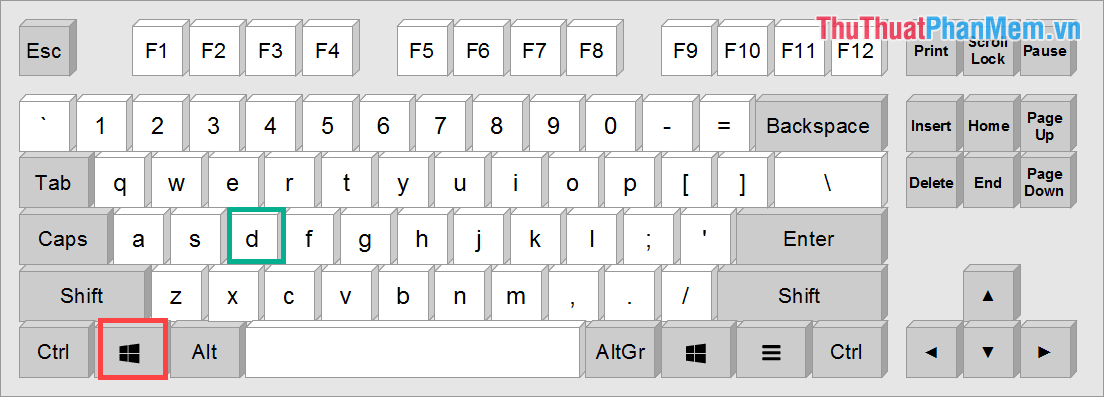
4. Close the window with mouse operation
Instead of using keyboard shortcuts, we can also use mouse gestures to close application windows on the computer quickly. Mouse-related operations are also very simple to use.
Right-click on the application icon on the Taskbar and select Close Windows .

In this article, the Software Tips guide you how to close windows on Windows 10, 8, 7. Have a nice day!
FAQ
What should I know about Keyboard Shortcuts for Closing Windows on Windows 10, 8, 7?
Focus on the key features, requirements, limitations, and practical use cases explained in this guide.
How do I get the best results with Keyboard Shortcuts for Closing Windows on Windows 10, 8, 7?
Follow the recommended steps, use current software or information, confirm compatibility, and review settings before major changes.
Are there any risks or limitations?
Potential limitations depend on compatibility, data quality, cost, privacy, support, and how the product or method is used.
Related Articles
 Summary of 60+ Latest Keyboard Shortcuts on Windows6 minutes read
 Summary of New Keyboard Shortcuts on Windows 11 to Help You7 minutes read
 Keyboard Shortcuts in Illustrator Are Often Used, Keyboard Shortcuts Are7 minutes read
 All the Keyboard Shortcuts on Obscure Computers11 minutes read
 8 Common Keyboard Shortcuts You Need to Know to Use Windows4 minutes read
 How to Change Keyboard Shortcuts in Photoshop6 minutes read
Reader Comments 0
Sign in with email or Google to join the discussion.