Table of Contents
This updated guide examines Click: How to Scan in Windows 8 and organizes the essential facts, background, and practical takeaways in clear American English.
Part 1of 5:
Installing a Scanner
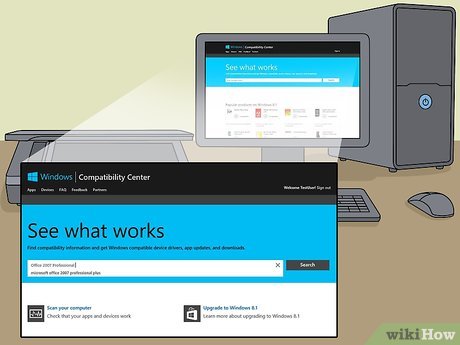 Make sure your scanner is compatible with Windows 8. Click here to go to the Windows Compatibility Center. Enter your scanner's product name, and then click Search.
- If your scanner is not compatible with Windows 8, you will not be able to use it to scan.
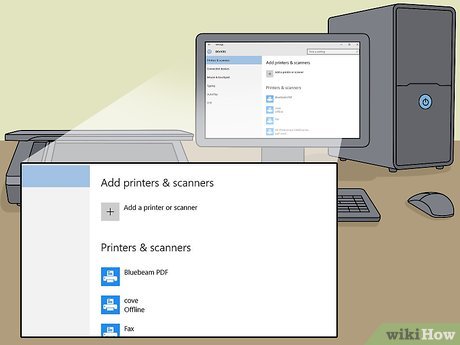 Check that your scanner is installed. Move the mouse to the right side corners of the screen, and then click Settings. Click Change PC Settings. Click PC and devices. If your scanner is installed, you'll see its name under Printers.
 If your scanner isn't listed, click + Add a device.
- The process for installing a scanner is the same as for installing a printer.[1]
 Find your scanner in the list, and then click it to install it.
Part 2of 5:
Opening Windows Fax and Scan
 Click the Start button.
 Type scan.
 Click Windows Fax and Scan.
Part 3of 5:
Scanning an Image
 Start a new scan. Make sure that your scanner is connected to your computer and document or image you want to scan is in the scanner.
 Click New Scan.
 Set the type of document you're scanning. In the New Scan window, click the Profile dropdown menu, and then click Photo, if you're scanning a photo. If you're scanning a document, click Documents.[2]
 Choose the image file type. Click the File type dropdown menu, and then click the file type you'd like your scanned image to be.
- If you don't know what file type to use PNG and TIF are usually good choices for higher image quality.
 Click Preview. You'll see a preview of the image or document you've scanned.
- If you want to crop the image, click and drag the corner handles to crop the scanned image.
- If the preview looks pixelated, in the Resolution (DPI) field, increase the resolution number.
 Click Scan.
Part 4of 5:
Saving the Scanned Image
 Rename the file. Right-click the scanned image, and then click Rename. In the Rename File dialog box, in the New Title field, type a meaningful name for the scanned image, and then click OK.
- The default file name is Image.
 Save the file to a new location. Right-click the scanned image, and then click Save As. In the Save As dialog box, choose the folder you'd like to use, name the file, and then click Save.
- The default save location for scanned images is in a Scanned folder within the Pictures folder.[3]
Part 5of 5:
Sending the Scanned Image to Email
 Send the scanned image to your email program. Right-click the scanned image, click Send to, and then click Mail recipient.
- Your email program will open and a new email message will be created with the scanned image as an attachment.
FAQ
What is Click: How to Scan in Windows 8 about?
It provides a structured overview of click, explains the main context, and highlights practical takeaways for readers.
Why does this topic matter?
Understanding the main concepts helps readers evaluate the issue, avoid common mistakes, and make better-informed decisions.
How should readers use this information?
Use the guidance as a practical starting point, confirm details that may have changed, and follow current product, safety, or security recommendations.
Related Articles
 How to Scan Documents in Windows6 minutes read
 How to Use Windows Defender to Scan Programs That Do Not Want5 minutes read
 Add the 'Scan with Windows Defender' Command to the Right-click1 minutes read
 How to Use PowerShell to Scan for Viruses on Windows4 minutes read
 3 Ways to Scan Windows 10 System-wide Viruses with Microsoft4 minutes read
 How to Scan Documents Using Notes App on iOS4 minutes read
Reader Comments 0
Sign in with email or Google to join the discussion.